Almond Cake
How I Came to Love Almond Cake I still remember the first time I baked what I now call my go-to Almond Cake. It was a rainy Saturday and the house smelled like toasted nuts and vanilla by the time the oven dinged. That memory lives in the texture of this cake: tender crumb, a…
How I Came to Love Almond Cake
I still remember the first time I baked what I now call my go-to Almond Cake. It was a rainy Saturday and the house smelled like toasted nuts and vanilla by the time the oven dinged. That memory lives in the texture of this cake: tender crumb, a little chew from almond flour, and a buttery top that invites you to slice off a corner while it is still warm. If you want to try a playful topping later, I sometimes riff on the classic by adding sugared cranberries, which I found in a lovely variation on the web that inspired me to experiment with fruit and crunch: sugared cranberries version.
The Ingredient Lineup (Yes, Even the Almonds)
What’s nice is that the pantry list is unpretentious: you need 1 cup almond flour, 1 cup all-purpose flour, 1 cup sugar, 1/2 cup unsalted butter, softened, 3 large eggs, 1 cup milk, 1 tsp baking powder, 1 tsp vanilla extract, 1/4 tsp salt, and Buttercream frosting (for topping). I say that out loud every time I bake it because the balance matters: almond flour gives that toasty, slightly sandy bite; the all-purpose keeps the structure; butter and eggs bring richness. If you want a dessert that feels fancy without being fussy, this is it.
The Rhythm of Making It
The method is oddly soothing and follows a nice rhythm. Start by preheating the oven to 350°F (175°C) and greasing and flouring a cake pan; it’s a small step that saves a lot of drama later. In a mixing bowl, cream together the softened butter and sugar until light and fluffy, which takes a few minutes with a hand mixer or a bit longer by elbow grease. Then add the eggs one at a time, mixing well after each addition, and stir in the vanilla extract so the batter smells warm and familiar.
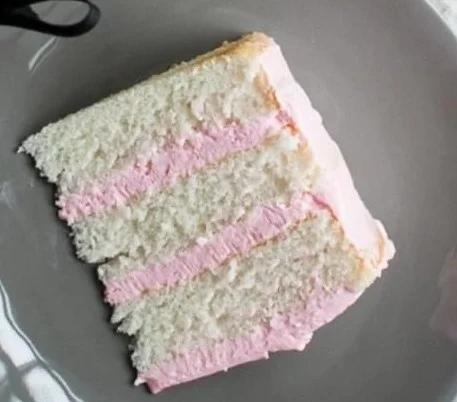
While that’s happening, in another bowl I whisk the almond flour, all-purpose flour, baking powder, and salt so the raising agent and salt disperse evenly. The next part is a gentle back-and-forth: gradually add the dry ingredients to the creamed mixture, alternating with the milk. This keeps the batter silky and avoids overworking the gluten from the all-purpose flour. Pour the batter into the prepared cake pan and smooth the top; there’s a satisfying scrape of batter across the pan that always makes me smile. Bake for 25-30 minutes or until a toothpick inserted in the center comes out clean, and you’ll see the edges pull away slightly from the pan. Allow the cake to cool in the pan for 10 minutes, then transfer to a wire rack to cool completely. Once cooled, frost with buttercream frosting and serve. The buttercream melts into the warm nooks if you frost slightly before it’s entirely cold, but I usually wait so the frosting keeps its shape.
Small Tricks That Make a Big Difference
I’ve learned a few little habits that nudge this from good to memorable. First, bring the eggs and milk up to room temperature; cold dairy can make the creaming step sluggish and the batter look curdled for a while. Second, when you cream the butter and sugar, don’t rush it—light and fluffy is the cue you’re aiming for because it traps air that helps the cake rise. Third, I sieve the almond flour if it seems clumpy; almond meal can be grainy and sieving gives a finer crumb. If you like more almond aroma, a tiny splash of almond extract can be delightful, but use it sparingly—vanilla extract is already in the recipe and keeps the flavor grounded.
A sensory cue I always watch for is the sound and sight as it bakes: the top becomes golden and a faint crackle appears at the very edges. The best indicator, though, is the toothpick test—the center should come out clean or with a few moist crumbs, not wet batter. If the top is browning too quickly before the center sets, loosely tent foil over the pan for the last 10 minutes.
How I Serve It and Other Ways to Play
I love slicing this cake and serving it with a cup of strong coffee or a late-afternoon tea. For brunch, a dollop of whipped cream and fresh berries is enough to make it feel celebratory. If you’re in a playful mood, you can turn the batter into individual treats; once I made Almond Joy cupcakes by adapting the same base and adding coconut and chocolate chips—this is a fun riff you can check out for inspiration: Almond Joy cupcakes idea. For a more chocolate-forward evening dessert, I sometimes layer a thin ganache on top, similar to what you’d see in a chocolate almond sheet cake; that chocolate-almond contrast is irresistible: chocolate almond sheet cake spin.
If you prefer a lighter snack pairing instead of a sweet frosting, think about toppings and spreads; one time I paired slices with savory ricotta and fig jam after seeing ideas for rice cake toppings, which sparked a lot of unexpected flavor combinations: healthy rice cake toppings ideas.
When Things Don’t Go As Planned
Sometimes the cake cooks unevenly or falls a little in the center. If that happens, it’s usually from opening the oven door too soon or not creaming the butter long enough. Overmixing after adding the flour makes the crumb tougher, so mix just until combined. If you forget to soften the butter, cut it into cubes and beat a little longer, and if the batter is too thick from dense almond flour, a splash more milk will rescue it.
For leftovers, I wrap slices tightly and store them in an airtight container. If the cake is frosted, I keep it in the refrigerator for up to four days; unfrosted, it keeps on the counter for a day or two or freezes well for up to two months. To revive frozen slices, let them thaw at room temperature and warm gently in a low oven for five to ten minutes.
Conclusion
If you want a clear, step-by-step reference to compare techniques or see another version of almond cake, I like this well-written recipe as a companion: Almond Cake (So Easy!) – Natasha’s Kitchen. Try it once and you’ll see why I come back to this simple, almond-scented cake on quiet afternoons and special occasions alike.
Almond Cake
Ingredients
Method
- Preheat the oven to 350°F (175°C) and grease and flour a cake pan.
- In a mixing bowl, cream together the softened butter and sugar until light and fluffy.
- Add the eggs one at a time, mixing well after each addition, and stir in the vanilla extract.
- In another bowl, whisk the almond flour, all-purpose flour, baking powder, and salt.
- Gradually add the dry ingredients to the creamed mixture, alternating with the milk.
- Pour the batter into the prepared cake pan and smooth the top.
- Bake for 25-30 minutes until a toothpick inserted in the center comes out clean.
- Allow the cake to cool in the pan for 10 minutes, then transfer to a wire rack to cool completely.
- Once cooled, frost with buttercream frosting and serve.