Baked Coconut Shrimp with Sweet Chili Mayo for Tropical Bliss
The Memory That Started This The first time I tried coconut shrimp was at a beachfront shack that served them with a sticky, neon-orange sauce and a grin. I was young, salty, and convinced that frying was the only way to get that perfect contrast between crunchy shell and tender shrimp. Years of experimenting in…
The Memory That Started This
The first time I tried coconut shrimp was at a beachfront shack that served them with a sticky, neon-orange sauce and a grin. I was young, salty, and convinced that frying was the only way to get that perfect contrast between crunchy shell and tender shrimp. Years of experimenting in my own kitchen taught me otherwise. This baked version keeps the tropical crunch, trims the fat, and makes cleanup a breeze. If you liked the idea of lighter crunch, you might enjoy my take on crispy baked coconut shrimp which played a big part in nudging me toward baking over frying.
Everything that goes into this
Here is the full ingredients list, because I like to see everything on the counter before I start:
- 1 pound large shrimp, peeled and deveined (Ensure shrimp is thawed and patted dry for best results.)
- 1 cup shredded coconut (unsweetened) (Adds crunch and tropical flavor; toasting enhances its taste.)
- 1/2 cup all-purpose flour (or almond flour for gluten-free) (Provides a base coating; choose almond flour for gluten-free.)
- 2 large eggs, beaten (Acts as a binder to adhere coatings; can substitute with flax eggs for a vegan option.)
- 1 teaspoon salt (Enhances flavor; adjust according to your taste preference.)
- 1 teaspoon black pepper (Adds a slight kick; freshly ground offers better flavor.)
- 1 teaspoon paprika (Contributes color and mild flavor; smoked paprika works well for a different taste.)
- 1 cup breadcrumbs (Panko recommended) (Provides an extra crunch; use gluten-free breadcrumbs as a substitute.)
- 1/2 cup mayonnaise (or Greek yogurt for a lighter option)
- 1/4 cup sweet chili sauce (Adds sweetness and heat; adjust quantity based on spice preference.)
- 1 tablespoon lime juice (Brightens flavors in the dipping sauce; fresh lime juice is preferred.)
- 1 teaspoon garlic powder (Adds depth to the dipping sauce; fresh garlic can replace, adjusted to taste.)
I introduce them as I go because tasting is discovering, not ticking boxes.
The Toasting Revelation
I used to toss the coconut straight in with the panko and hope for the best. Then I learned to toast the coconut first. Spread the shredded coconut in a dry skillet over medium heat and stir until it smells nutty and turns a light golden. That little step makes the coconut sing instead of fade into the background.
Method (the exact sequence I follow in the oven):
- Preheat your oven to 425 degrees F. Line a baking sheet with parchment paper and lightly oil the surface so the shrimp do not stick.
- Set up a dredging station: Bowl A = all-purpose flour mixed with salt, pepper, and paprika. Bowl B = beaten eggs. Bowl C = panko breadcrumbs plus toasted shredded coconut. Mix the panko and coconut so you get an even distribution of crunch.
- Pat the shrimp dry with paper towels. Dredge each shrimp in Bowl A, shake off excess, dip in the eggs, then press into the panko-coconut mixture so it adheres well. Place shrimp on the prepared sheet with space between them.
- Bake for about 10 to 14 minutes depending on shrimp size, flipping once halfway through. The shrimp are done when the exterior is golden brown and the meat is opaque and springs back slightly. If you want the tops extra golden, pop them under the broiler for 30 to 60 seconds while watching closely.
The dipping sauce is as simple as it is addictive: whisk together mayonnaise, sweet chili sauce, lime juice, and garlic powder. Taste and adjust. If you prefer a lighter sauce, swap in Greek yogurt.
Why Coconut and Panko Are Different Notes
This section is where the experimental chef in me gets loud. Panko gives crystalline crunch. Coconut gives fat, chew, and aroma. Together they create layers. If you want more tropical character, use all coconut for the outer layer but expect less rigidity. If you want a drier, crunchier crust, up the panko ratio.
A few specifics I discovered: smoked paprika gives a whisper of campfire that pairs nicely with the sweet chili mayo. For a quicker, oil-free shortcut, try an air fryer adaptation; I based my first test run on an air fryer coconut shrimp approach and adjusted timing to keep the shrimp juicy.
How You Know It’s Perfect
Knowing when the shrimp are done is less mystical than it seems. Look for three things: golden exterior, opaque flesh, and a firm but springy texture. The thermometer-nerd in me likes shrimp to register about 120 to 125 degrees F internal when measured at the thickest part. If you cut one open, the center should be milky white, not translucent.
Practical tips while baking:
- Tip 1: Pat shrimp dry for better adhesion and less steam.
- Tip 2: Give shrimp breathing room on the tray; crowding makes them steam, not crisp.
- Tip 3: Flip once mid-bake to brown both sides evenly.
- Tip 4: If the coconut is browning too fast, lower the oven by 25 degrees and allow a minute or two extra baking time.
These are the lessons learned through trial and the occasional burned batch.
Leftovers That Come Back to Life
Leftovers are worth planning for. Store cooled shrimp in an airtight container in the fridge for up to three days. Reheat on a baking sheet at 375 degrees F for about 6 to 8 minutes, or until warmed through and crisp. Microwaving will sacrifice crunch. You can also freeze cooked shrimp on a tray, then transfer to a freezer bag for up to two months. Reheat from frozen at 400 degrees F for about 10 to 12 minutes.
Variations to explore:
- Gluten-free: Use almond flour for the initial dredge and gluten-free panko.
- Lighter sauce: Swap mayo for Greek yogurt and add a teaspoon of honey.
- Vegan-ish: Use flax "eggs" and preserved young coconut or shredded hearts of palm as a substitute for shrimp, though texture will differ. For another tangy pairing idea try the sweet chili and lime combination from this sweet-chili salmon bites with lime yogurt dip experiment.
What to serve with these? I like a simple cabbage slaw, jasmine rice, or a brightly dressed salad. If you are putting together a full seafood-themed dinner, pair the shrimp with a mellow baked fish and a spinach side like in this irresistible baked salmon with spinach and mozzarella, keeping the flavors balanced.
Personal touch: the wedge of lime at the table is non negotiable in my house. Squeezing fresh lime over the hot shrimp lifts the whole dish like nothing else.
Conclusion
If you want a different citrus-chili pairing idea inspired by restaurant versions, this Coconut Shrimp with Orange-Chili Dipping Sauce – Averie Cooks is a lovely reference for another sweet and spicy direction. For a restaurant-style feeling and menu inspiration if you are planning a party, see the LUNCH AND DINNER MENU | Restaurant & Bar in Plymouth, MA which shows how shrimp can shine alongside warm, shareable plates.
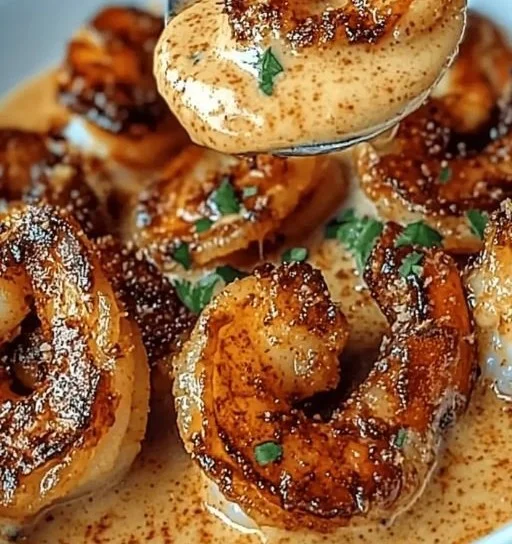
Baked Coconut Shrimp
Ingredients
Method
- Preheat your oven to 425°F (220°C). Line a baking sheet with parchment paper and lightly oil the surface.
- Set up a dredging station: Bowl A = all-purpose flour mixed with salt, pepper, and paprika. Bowl B = beaten eggs. Bowl C = panko breadcrumbs plus toasted shredded coconut.
- Pat the shrimp dry with paper towels. Dredge each shrimp in Bowl A, shake off excess, dip in the eggs, then press into the panko-coconut mixture so it adheres well.
- Place shrimp on the prepared sheet with space between them.
- Bake for about 10 to 14 minutes, flipping once halfway through, until golden brown and opaque.
- For extra golden tops, broil for 30 to 60 seconds while watching closely.
- In a bowl, whisk together mayonnaise, sweet chili sauce, lime juice, and garlic powder. Taste and adjust.