The Ultimate BEST French Toast Recipe (Easy & Foolproof!)
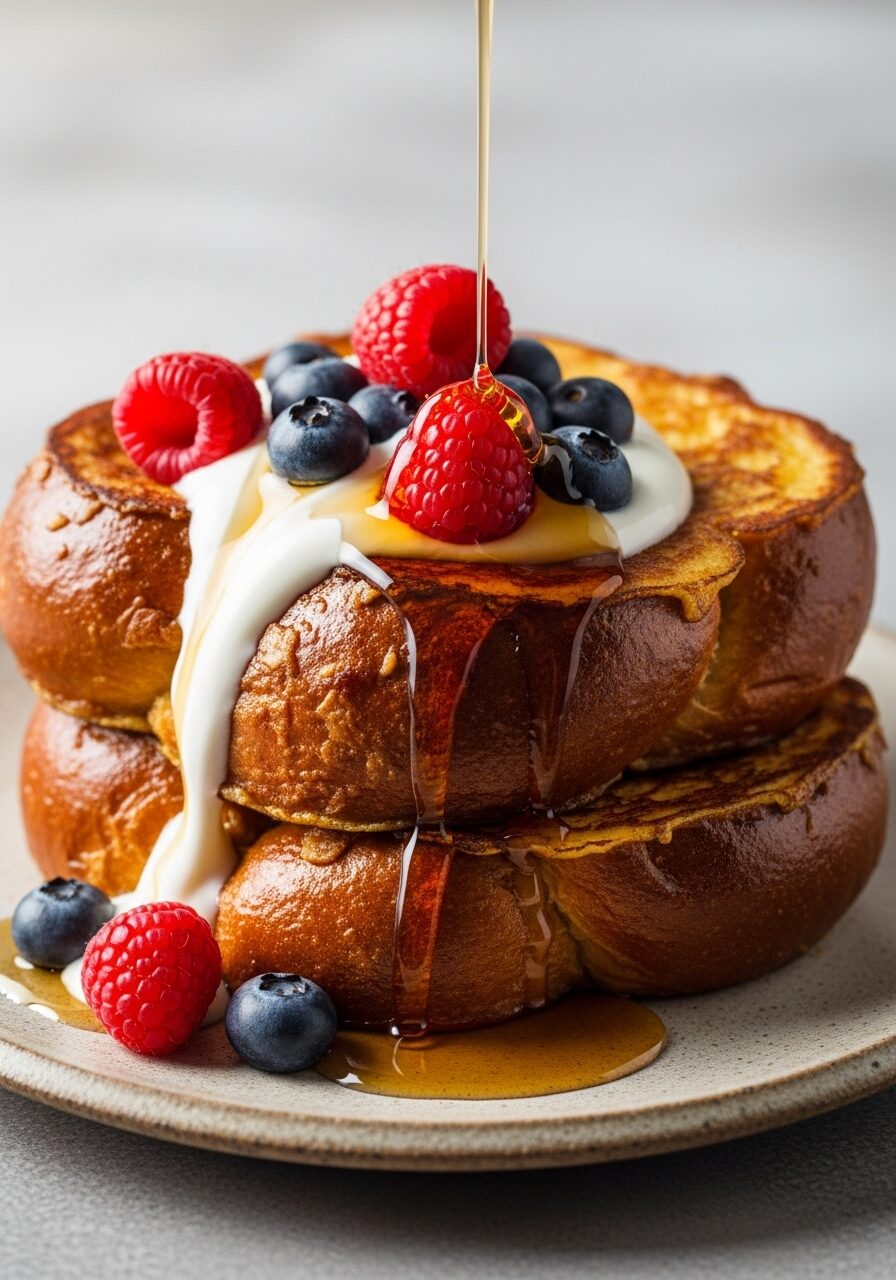
Imagine the most perfect slice of French toast you can dream of: a thick, fluffy piece of bread with a beautifully caramelized, golden-brown crust, giving way to a rich, custardy, melt-in-your-mouth center. That, my friends, is not a restaurant fantasy—it is the simple, achievable magic of this truly foolproof French toast recipe. It is, without…
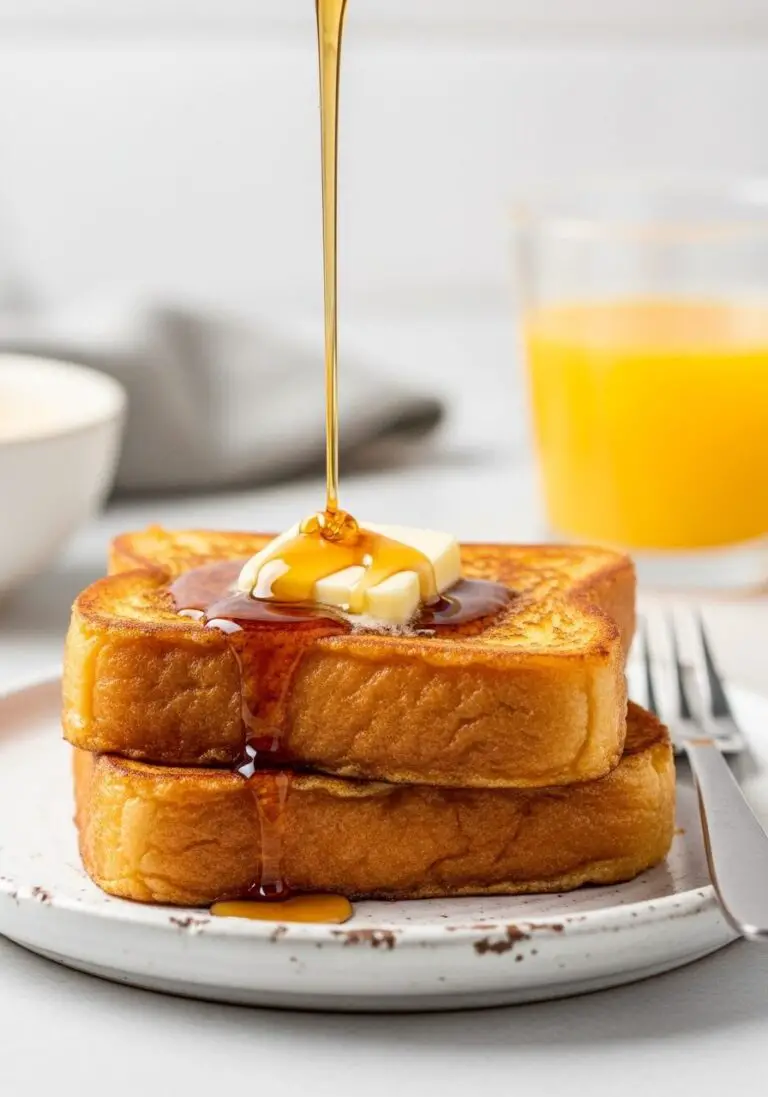
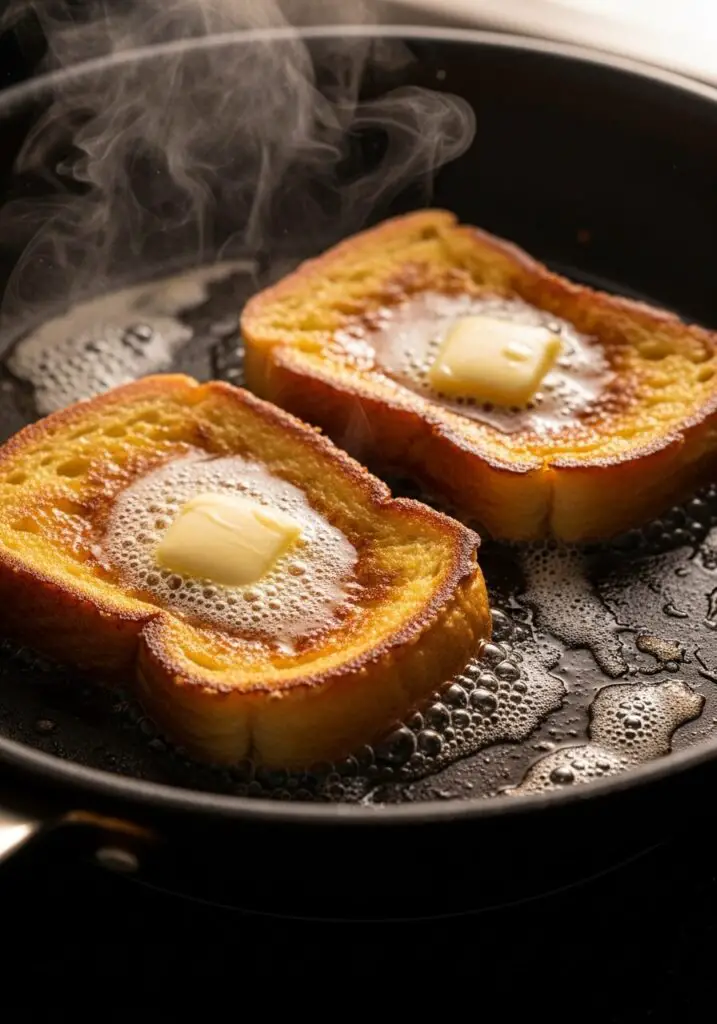
Imagine the most perfect slice of French toast you can dream of: a thick, fluffy piece of bread with a beautifully caramelized, golden-brown crust, giving way to a rich, custardy, melt-in-your-mouth center. That, my friends, is not a restaurant fantasy—it is the simple, achievable magic of this truly foolproof French toast recipe. It is, without a doubt, the best French toast you will ever make at home.
Here’s the thing about a truly great French toast: it’s all about the details. It’s a dish that can be disappointingly soggy or spectacularly sublime. I have tested countless methods, and this recipe is the culmination of all that delicious research. It’s my go-to for a lazy weekend breakfast or a special holiday brunch. The secret lies in the right bread, the perfect custard ratio, and a patient, gentle pan-fry in butter.
I promise you, there is no greater breakfast triumph than creating a stack of these perfect slices. The custard, fragrant with cinnamon and vanilla, soaks just deep enough into the bread without turning it to mush. When it hits the hot, buttery pan, it creates a crisp, golden crust that is simply divine. It’s a breakfast classic, perfected.
Get ready to master the art of French toast and create a stunning, delicious breakfast that will have your family begging for it every weekend.
Why This is Truly the BEST French Toast Recipe!
You are going to be completely amazed by how these simple techniques create such a restaurant-quality result. This recipe is a keeper for so many reasons. Here’s why:
- Perfect Custardy Center, Crispy Edges: This recipe delivers the holy grail of French toast—a center that is soft and custardy, not soggy, and edges that are perfectly golden-brown and slightly crisp.
- Ready in 25 Minutes: Despite its gourmet taste, this impressive breakfast comes together in just about 25 minutes, making it perfect for a special weekend treat without the fuss.
- Simple, Classic Ingredients: You only need a handful of basic pantry and fridge staples to create this masterpiece. The magic is all in the technique!
- The Perfect Bread Choice: Using thick-cut challah bread is a game-changer. Its rich, eggy texture is sturdy enough to soak up the custard without falling apart, resulting in the perfect final texture.
- A Foolproof Method: From the specific soaking times to the gentle pan-frying, this recipe breaks down the process into simple, easy-to-follow steps for guaranteed success.
Recipe Snapshot
| Prep Time | 10 minutes |
| Cook Time | 15 minutes |
| Total Time | 25 minutes |
| Servings | 4 servings |
| Calories | ~580 kcal per serving (toast only) |
| Course | Breakfast, Brunch |
| Cuisine | American, French |
| Difficulty/Method | Easy / Stovetop |
Your Shopping List for Perfect French Toast
The beauty of this recipe lies in its simplicity and the quality of its ingredients. Here’s the short list:
→ For the French Toast
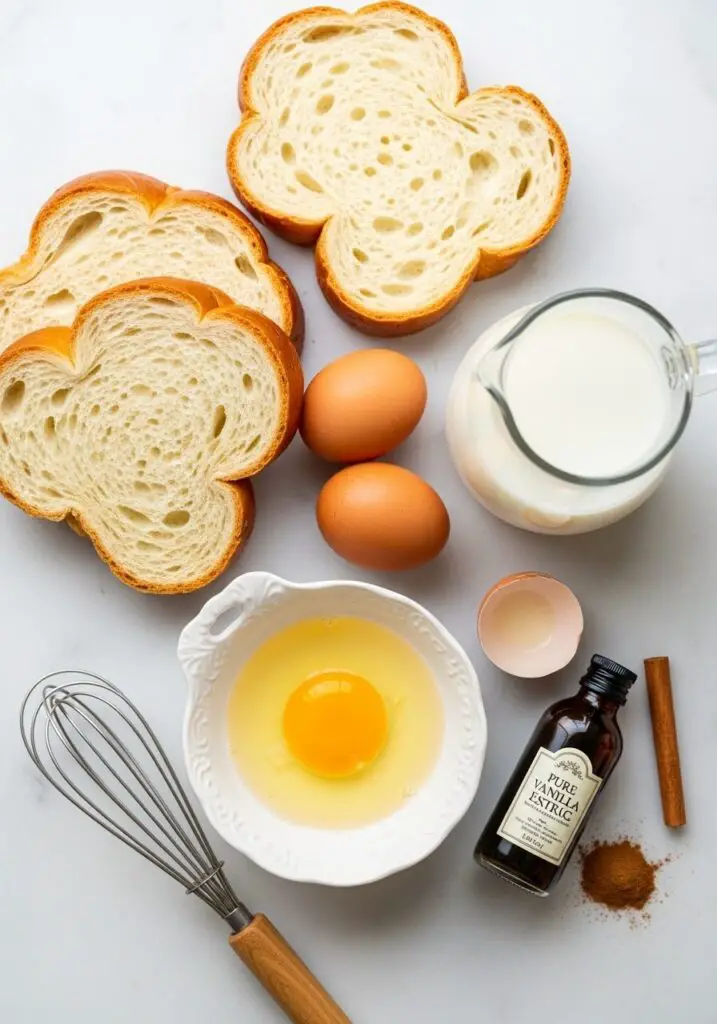
- 6 large eggs → The foundation of our rich custard.
- 1 ½ cups whole milk → For a creamy, luscious custard.
- 1 ½ tsp ground cinnamon → For that essential warm spice flavor.
- 1 ½ tsp pure vanilla extract → Adds a beautiful, aromatic depth.
- 8 (1-inch-thick) slices challah bread → The star of the show! Thick-cut brioche is the next best substitute.
- 4 tbsp unsalted butter → For pan-frying to golden, buttery perfection.
→ For Serving (Optional)
- Yogurt, fresh berries, and pure maple syrup or honey
Let’s Get Cooking! Your Step-by-Step Guide
This classic breakfast comes together in just a few simple stages. Let’s make some delicious memories!
Part 1: The Perfect Custard and Soak
- Whisk the Custard: In a large, shallow bowl or baking dish (a pie plate is perfect), whisk together the eggs, milk, cinnamon, and vanilla until they are completely uniform and slightly frothy.
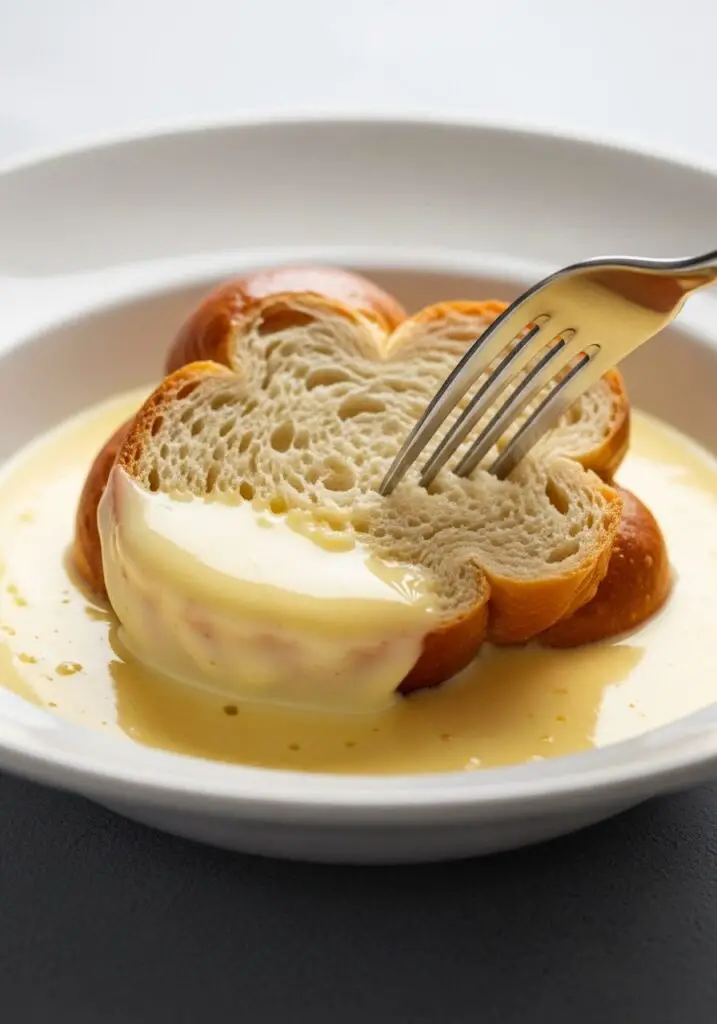
- The First Soak: Working in batches, place two slices of the challah bread into the egg mixture. Let them soak for a full 2 minutes on the first side. This allows the custard to penetrate the bread.
- The Second Soak: Flip the slices and let them soak for 1 minute more on the second side. Both sides should be completely saturated but not falling apart.
Part 2: The Golden Pan-Fry
- Heat the Pan: While the first batch is soaking, heat 1 tablespoon of butter in a large nonstick skillet over medium-low heat until it’s melted and foaming gently.
- Cook to Perfection: Gently lift the soaked bread slices from the custard, allowing any excess to drip off, and place them in the hot skillet. Cook for 1 to 3 minutes per side, until each side is a beautiful, even golden brown and the center feels slightly firm to the touch.
- Keep Warm and Repeat: Transfer the finished French toast to a wire rack. While this batch is cooking, you can start soaking the next batch of challah slices. Repeat the process with the remaining butter and bread slices, wiping the skillet clean between batches if needed.
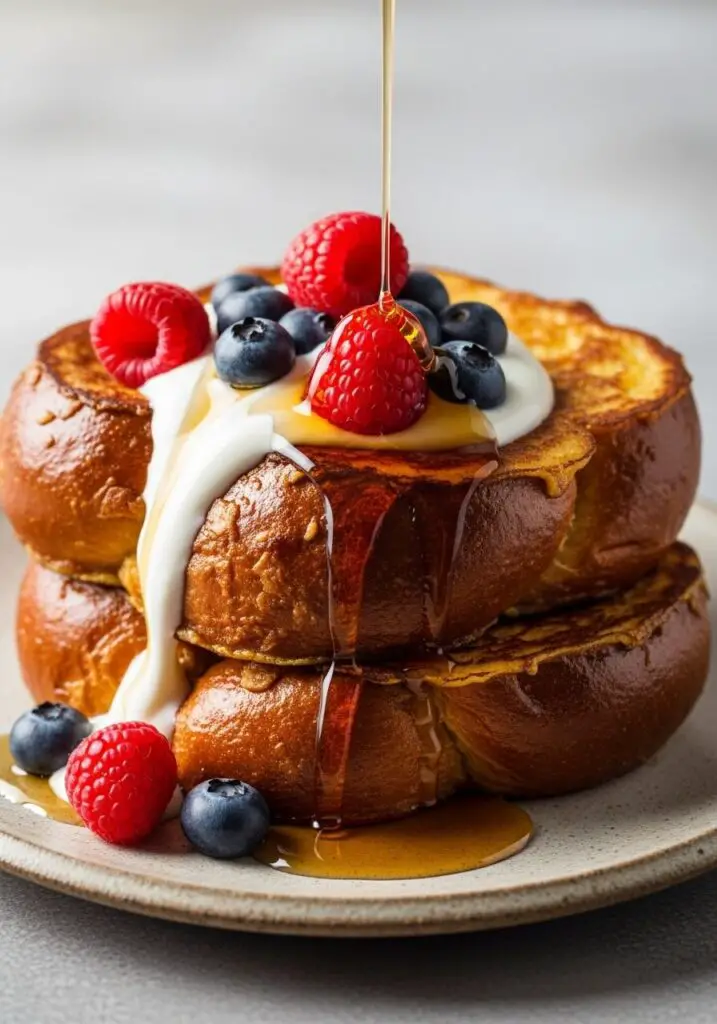
- Serve: Serve the warm French toast immediately, topped with your favorite yogurt, fresh berries, and a generous drizzle of pure maple syrup or honey.
WiseRecipes’ Top Tips for the BEST French Toast
These are the non-negotiable secrets to achieving that perfect texture and flavor every single time.
- The Right Bread is Everything. This is the most important rule. You need a sturdy, enriched bread like challah or brioche, cut into thick 1-inch slices. Thin, flimsy sandwich bread will turn into a soggy mess. Slightly stale bread is even better as it will soak up more custard without falling apart.
- Don’t Rush the Soak. The specific soaking times in this recipe are intentional. The longer soak on the first side allows the custard to penetrate deep into the bread, while the shorter soak on the second side ensures it’s fully saturated but still has structural integrity.
- Medium-Low Heat is Your Best Friend. It’s tempting to crank up the heat to get a fast, dark crust, but this is a mistake. A gentle medium-low heat allows the custard in the center of the bread to cook through and set at the same time the exterior is becoming perfectly golden brown. Too high a heat will burn the outside before the inside is cooked.
- Use a Nonstick Skillet and Real Butter. A good nonstick skillet ensures your French toast doesn’t stick and gets an even, beautiful color. And the flavor of real butter for frying is simply unmatched!
- Keep it Crispy. If you’re making a big batch, don’t stack the finished slices on a plate where they will steam and get soft. Place them in a single layer on a wire rack placed on a baking sheet in a low (200°F) oven to keep them warm and crisp while you finish the rest.
The Best French Toast Ever
Ingredients
Equipment
Method
- In a large, shallow bowl, whisk together eggs, milk, cinnamon, and vanilla.
- Working in batches, place 2 bread slices in the egg mixture and let soak for 2 minutes on the first side. Flip and soak for 1 minute more.
- Meanwhile, heat 1 tablespoon of butter in a large nonstick skillet on medium-low heat. Once melted, add the soaked bread.
- Cook until golden brown, about 1 to 3 minutes per side. Transfer the finished slices to a wire rack.
- While the first batch is cooking, begin soaking the next batch of bread slices.
- Repeat with the remaining butter and bread slices, wiping the pan between batches if necessary.
- Serve immediately, topped with yogurt, berries, and syrup or honey if desired.
Notes
Keep It Fresh! Storing and Reheating
French toast is at its absolute best when fresh off the skillet, but leftovers can still be delicious!
- Refrigerator: Store any leftover cooked French toast slices in an airtight container in the fridge for up to 2 days.
- Reheating for Best Results: The best way to reheat French toast is in a toaster or toaster oven! This brings back the crispy exterior beautifully. You can also reheat them in a lightly buttered skillet over medium-low heat. Microwaving is not recommended as it will make the French toast soft and chewy.
FAQs: Your French Toast Questions, Answered!
Can I use a different kind of milk?
Yes, you can. Whole milk provides the richest, most custardy result. However, you can substitute it with 2% milk or even a plant-based milk like almond or oat milk. The custard will just be slightly less rich.
What’s the difference between challah and brioche?
They are both rich, eggy breads that are perfect for French toast. The main difference is that brioche is enriched with a significant amount of butter, making it extra rich and tender, while challah is traditionally made with oil instead of butter, giving it a slightly spongier texture that’s fantastic for soaking.
Why is my French toast soggy in the middle?
Soggy centers are the classic French toast pitfall! It’s almost always caused by one of three things: using bread that is too thin and flimsy, soaking the bread for too long, or cooking it on heat that is too high, which browns the outside before the custardy center has a chance to cook and set.
Can I prepare the custard mixture ahead of time?
Yes, you can whisk together the egg, milk, cinnamon, and vanilla mixture up to a day in advance. Just keep it in an airtight container in the refrigerator and give it another good whisk before you use it.
Final Thoughts: A Breakfast Masterpiece
There is such a deep, nostalgic comfort in a perfectly executed breakfast classic. This recipe for the Best French Toast Ever is more than just a set of instructions; it’s a foolproof guide to creating a truly special breakfast experience. I hope it brings a touch of weekend magic to your table and becomes a beloved recipe you return to again and again. Happy cooking!