Cookie Dough Frosting
Cookie Dough Frosting at Midnight There are recipes you make once and forget, and then there are those you find yourself making at 11:30 p.m. because the house smells like warm sugar and someone rang the doorbell asking if you had anything sweet. Cookie Dough Frosting is one of those recipes for me. It tastes…
Cookie Dough Frosting at Midnight
There are recipes you make once and forget, and then there are those you find yourself making at 11:30 p.m. because the house smells like warm sugar and someone rang the doorbell asking if you had anything sweet. Cookie Dough Frosting is one of those recipes for me. It tastes like the best part of cookie dough without the worry, and it spreads on cake or dollops onto cupcakes like a little scoop of nostalgia. If you like the idea of cookie dough in frosting form, it’s the kind of thing that makes people pause, take a bite, and then ask for the recipe.
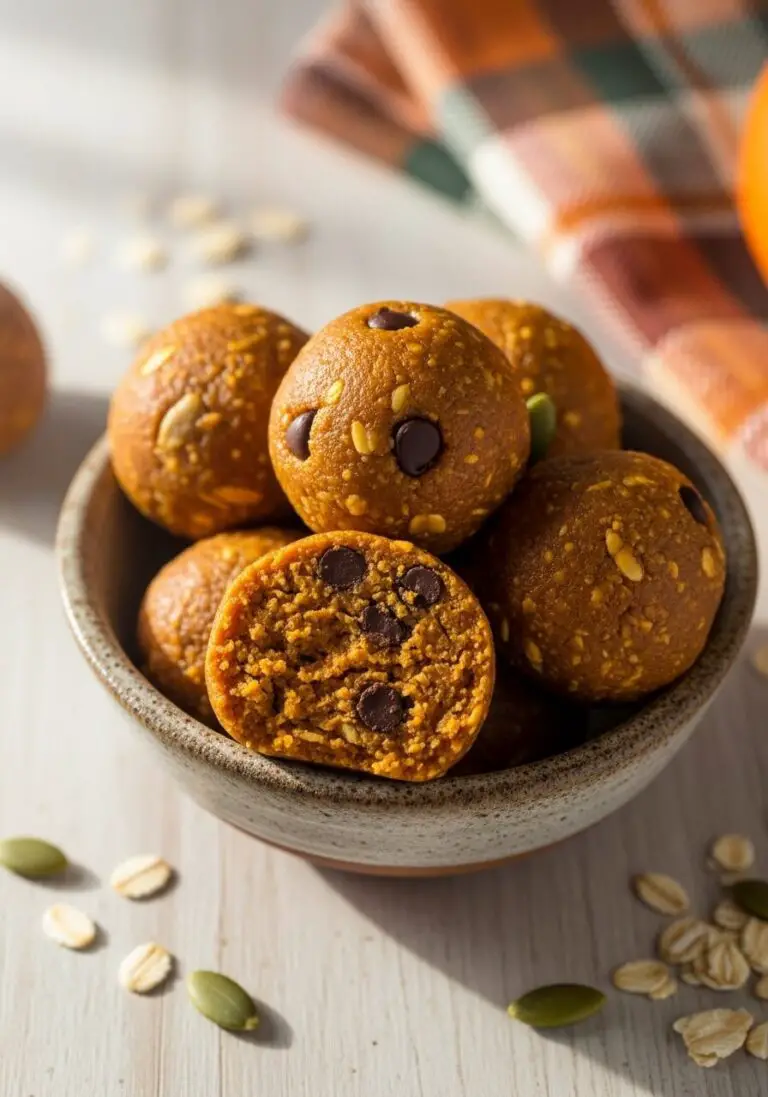
When I first started playing with this idea I read through a bunch of versions — it even reminded me of the quick energy bites I sometimes make, like the chocolate chip cookie dough protein balls I toss in my bag when I’m rushing out. But this is indulgence, not a snack bar, and it deserves to be rich and unapologetic.
The Ingredient That Changes Everything
People always ask what you need. I say start simple and let the butter shine. For this frosting I use 1 cup softened butter (2 sticks) (salted or unsalted, see notes), ½ cup packed brown sugar, 2 cups powdered sugar, ⅔ cup all-purpose flour (baked and cooled), ½ tsp salt, 2 tbsp milk or cream, 1 tsp vanilla extract, and 1 cup mini chocolate chips. That little list makes a lot of magic. The brown sugar brings a caramel warmth, the baked flour gives it that unmistakable cookie-dough texture, and the mini chocolate chips are essential for the little chocolate bursts.
If you’re wondering about salted versus unsalted butter: I usually keep salted on hand and just cut the added salt by half, but using unsalted gives you more control. Try both to know which you prefer for your own baking rhythm.
How I Make It (and the exact steps)
The most important safety step comes first. If you haven’t done so, bake the flour at 350℉ for 3-5 minutes or microwave for 1 minutes, stirring every 15 seconds. This will kill any bacteria that might be in the flour. Be sure to let it cool completely before adding to the buttercream or it will melt the butter. I always bake a big batch of flour and keep it in a jar; it’s one less thing to worry about when I’m in frosting mode.
Using a standing mixer or hand held mixer with paddle attachment, cream the 2 sticks butter, salt, and ½ cup brown sugar on medium high for 2-3 minutes until very light and fluffy. This is where the frosting develops that cloud-like texture, so don’t skimp on time. Turn the mixer off and add the powdered sugar. Mix on low until incorporated. Once incorporated turn to medium and mix another minute. Add flour, mix on low until incorporated, then mix on medium another minute. Add 2 tbsp milk or cream and 1 tsp vanilla extract. Mix on medium low until combined, then mix another minute on medium until light and fluffy. Using a spatula gently fold in the chocolate.
When I fold in the mini chocolate chips, I always pause to scrape the bowl once. That final scrape returns bits of butter and sugar that try to hide on the sides and means the frosting is perfectly homogeneous. The sound of the mixer changes from thumping to a higher-pitched hum when things are ready, and you can often see a sheen on the surface that gives away the right texture.
Little Tricks I Swear By
I have a handful of small tricks that make this frosting reliably great. First, always let the baked flour cool completely; if it’s even slightly warm it will make the butter greasy. Second, measure your brown sugar by packing it—this gives a deeper flavor and a slightly moister texture. Third, if the frosting seems stiff after the powdered sugar goes in, add an extra teaspoon of milk at a time until it loosens; conversely, a pinch more powdered sugar will thicken it. Fourth, for the creamiest mouthfeel, beat the butter alone until it is almost white before adding anything else—this can take an extra minute but it’s worth it. And a silly but true tip: a kitchen towel over the mixer while it runs on medium keeps stray flour or sugar from dusting your counter.
Knowing when it’s done is simple: it should be light, fluffy, and hold a soft peak when you lift the spatula. It should spread easily but not slide off a cupcake. If it tastes overly sweet, a tiny pinch more salt will balance it and bring out the brown sugar notes.
What to Serve It With and Variations
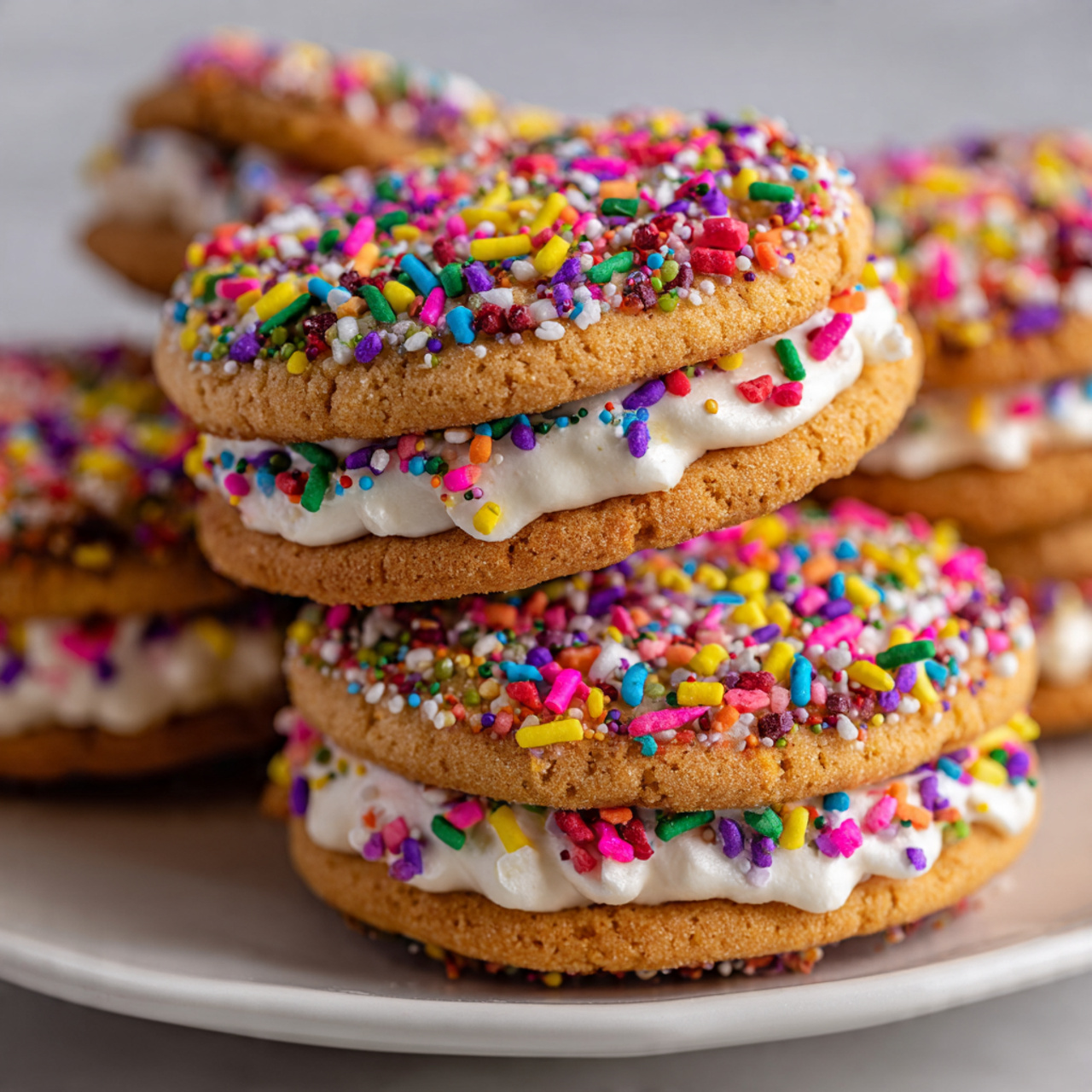
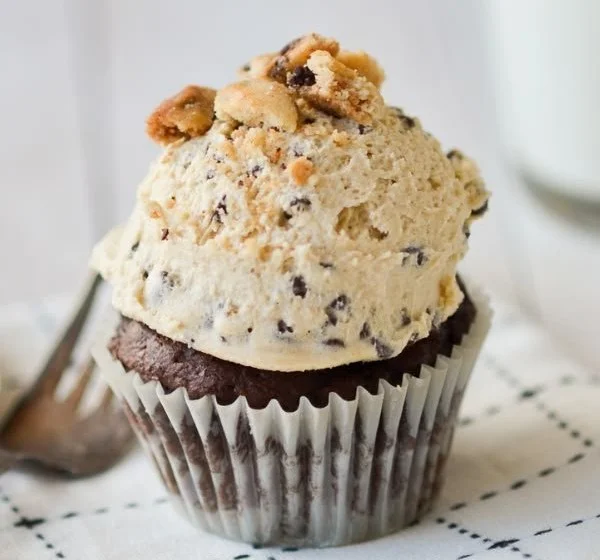
This frosting is ridiculously versatile. I smear it over a classic yellow cake, pipe it onto chocolate cupcakes, and sometimes I use it as a dip for warm cookies. If you want a fun project, sandwich it between two chewy cookies for an adult-style cookie ice cream sandwich. To change things up you can do a few obvious variations: fold in chopped toasted pecans for a butter pecan twist, swap the mini chocolate chips for white chocolate chips and a pinch of lemon zest for a brighter flavor, or stir in a tablespoon of instant espresso powder for a mocha kick. Another variation is to omit the chips and swirl in fruit jam for a cookie-dough-and-berry vibe.
If you need inspiration for pairing this with other desserts, try it on sugar cookies for a crowd-pleasing combo and keep a jar of this frosting in the fridge like a secret weapon. I’ve also used it with fruit-forward treats like those strawberry buttercream cookies I made for a friend’s birthday; it’s similar to the energy of the cookie pairing in this cream cheese sugar cookies with strawberry buttercream frosting recipe in the way it brightens a simple sugar cookie.
Leftovers store beautifully. I put any extra frosting in an airtight container and refrigerate it for up to a week, and it will loosen to spreading consistency after coming to room temperature and a quick whip. For longer storage, freeze it flat in a zip-top bag for up to three months, then thaw overnight in the fridge and beat it briefly before using.
I once made a giant batch for a potluck and had three different people ask if it was safe to eat raw because the flavor was so true to cookie dough. That day I learned never to underestimate the power of baked flour and good butter.
When Things Don’t Go As Planned
Sometimes the frosting seizes or looks grainy. If it becomes greasy, pop the bowl in the fridge for 10 minutes, then re-whip. If it is too stiff, add milk in tiny increments. If the chips sink when you spread, freeze the cake layers briefly so the frosting sets faster. My most embarrassing mishap was forgetting to cool the flour; the butter melted and I had to start over. Now I bake and cool flour in batch and write the date on the jar so I never have to play that game again.
A word about timing: this frosting is great to make a day ahead. Bring it to room temperature and whip it again before using. If you want to experiment with color, add gel coloring a drop at a time to preserve the texture.
Conclusion
If you want another take on this idea or a slightly different ratio to compare, I sometimes read other versions like The Best Cookie Dough Frosting – Two Sisters to spark ideas, but I always come back to this simple, buttery version that tastes like honest comfort. Try it and tell me what you paired it with.
Cookie Dough Frosting
Ingredients
Method
- Bake the flour at 350°F for 3-5 minutes or microwave for 1 minute, stirring every 15 seconds. Let it cool completely.
- In a mixing bowl, cream the softened butter, salt, and brown sugar on medium-high for 2-3 minutes until light and fluffy.
- Turn off the mixer and add the powdered sugar. Mix on low until incorporated, then turn to medium and mix for another minute.
- Add the prepared flour and mix on low until incorporated. Then mix on medium for another minute.
- Add the milk or cream and vanilla extract. Mix on medium-low until combined, then mix on medium until light and fluffy.
- Gently fold in the mini chocolate chips using a spatula.