Crusty Italian Bread
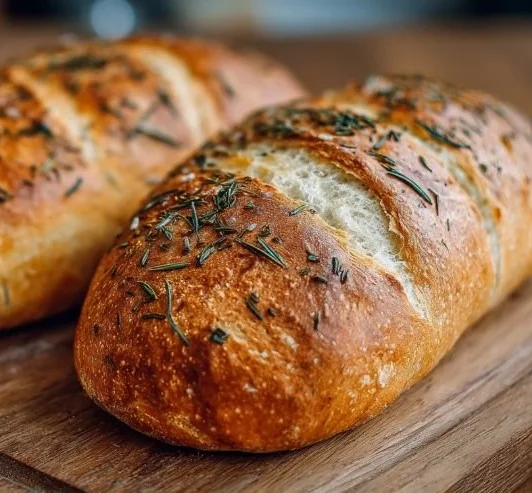
I love the sound of a loaf that crackles when you tap it, that first slice releasing a puff of warm, toasty steam and a scent that fills the kitchen. This Crusty Italian Bread is exactly that kind of comfort: simple ingredients, a little patience, and a loaf with a golden, blistered crust and tender,…
I love the sound of a loaf that crackles when you tap it, that first slice releasing a puff of warm, toasty steam and a scent that fills the kitchen. This Crusty Italian Bread is exactly that kind of comfort: simple ingredients, a little patience, and a loaf with a golden, blistered crust and tender, slightly chewy crumb. It’s the sort of bread I bake on a quiet weekend morning, and it turns any meal into something special.
Why Crusty Italian Bread Deserves a Spot in Your Kitchen
- Rustic, old-world texture: the crust forms a satisfying crackle while the interior stays soft and pillowy.
- Simple pantry ingredients: you likely have everything on hand for an impromptu loaf.
- Versatile companion: perfect for soups, sandwiches, or just smeared with good butter and sea salt.
- A little hands-on time, big payoff: the kneading and rising are therapeutic, and the oven does most of the work for you.
- Great foundation for variations: add herbs, cheese, or seeds to make it your own.
If you enjoy experimenting with different bread shapes, you might also like my take on a 5-ingredient crusty panini bread that’s great for pressed sandwiches.
Ingredients for Crusty Italian Bread
- 3 ½ cups all purpose flour — Provides structure and the crumb; all purpose works well for a balanced texture.
- 1 ½ teaspoons salt — Enhances flavor and controls yeast activity; don’t skip it.
- 1 teaspoon sugar — Feeds the yeast gently and helps with browning.
- 2 ¼ teaspoons active dry yeast — The leavening agent that gives the loaf rise and lightness.
- 1 ½ cups warm water (about 110°F) — Activates the yeast and hydrates the flour; warm to the touch but not hot.
- Cornmeal for dusting — Keeps the loaf from sticking and gives a rustic, slightly crunchy base.
If you like an herby loaf, consider checking out a version with added oregano and Parmesan noted in this Italian herbs and cheese bread to inspire your adaptations.
Crafting Your Perfect Crusty Italian Bread
You’re about to make something comforting. Here are the steps to follow — keep your hands and heart ready for a little kneading and a lot of delicious smell.
- Combine warm water, sugar, and yeast in a bowl. Let sit 5–10 minutes until frothy.
- Add flour and salt. Stir until a rough dough forms.
- Knead on a floured surface for 8–10 minutes until smooth and elastic.
- Place dough in a greased bowl, cover, and let rise 1–2 hours until doubled.
- Punch down, shape into a round or oval loaf, and place on a cornmeal-dusted sheet. Cover and let rise 30–45 minutes.
- Preheat oven to 450°F with a shallow pan of water on the bottom rack for steam. Score the loaf and bake 25–30 minutes until golden and hollow sounding when tapped.
- Cool on a wire rack before slicing.
If you want guidance on shaping and small boule versions, techniques similar to those used for crusty French bread rolls are helpful to review before you shape your loaf.
My Favorite Tricks for Consistently Great Loaves
- Warmth helps more than speed: proof the dough in a warm, draft-free spot; if your kitchen is cool, set the bowl inside an oven warmed briefly then turned off.
- Use steam for a blistered crust: the shallow pan of water creates humidity that keeps the crust from forming too fast so the loaf can expand and then crisp beautifully.
- Don’t overflour while kneading: add just enough flour to keep the dough from sticking; too much makes the crumb dense.
- Tap test for doneness: a properly baked loaf sounds hollow when tapped on the bottom.
- Slightly underbake for softer interior: if you prefer a less chewy crumb, shave 2–3 minutes off the bake time, but keep an eye on the crust color.
For a quick flavor boost to serve alongside this loaf, try a fast garlic toast made in an air fryer from this 10-minute air fryer garlic bread idea.
Ways to Change It Up
- Herb and cheese: knead in a handful of grated Parmesan and a tablespoon of chopped rosemary or oregano for Italian character.
- Olive and sun-dried tomato: fold chopped olives and sun-dried tomatoes into the dough just before the first rise for a savory, Mediterranean loaf.
- Whole wheat twist: substitute up to 1 cup of the all purpose flour with whole wheat for a nuttier flavor and denser crumb.
- Seeded crust: press sesame, poppy, or mixed seeds into the top of the loaf after brushing with a bit of water for added crunch.
- No-knead adaptation: for a very hands-off approach, try an overnight no-knead version and bake the next day for rustic flavor and ease.
If you’re feeling playful after a loaf, a simple dessert pairing like an espresso float is delightful; try this quick 2-ingredient Italian affogato to finish the meal.
How to Bring This Bread to the Table
- Tear-and-share centerpiece: present the warm loaf in a lined basket so guests can rip off chunky wedges and spread on butter or olive oil.
- Sandwich superstar: slice it thick for paninis, or thin for delicate prosciutto, fresh mozzarella, and basil sandwiches.
- Soup’s best friend: dunking a crusty chunk into a tomato basil or minestrone is one of life’s small pleasures.
- Simple breakfast: toast slices lightly, rub with a halved garlic clove, drizzle with extra virgin olive oil, and sprinkle flaky salt.
- Cheese board companion: pair with nutty Pecorino, soft brie, and a fig jam for contrast.
Keeping Your Loaf Fresh and Tasty
- Room temperature short-term: store in a paper bag or loosely wrapped in a kitchen towel for up to 2 days to preserve crust crispness.
- Freezing for later: double-wrap slices or the whole cooled loaf in plastic wrap and foil, freeze up to 3 months; thaw at room temperature, then re-crisp in a hot oven for 5–10 minutes.
- Reheating tips: refresh slices in a 350°F oven for 5–8 minutes; for a softer result, wrap in foil for a few minutes.
- Avoid refrigeration: it accelerates staling and ruins the crust texture.
Your Questions About Crusty Italian Bread, Answered
Q: Can I use instant yeast instead of active dry yeast?
A: Yes. Use about 2 teaspoons of instant yeast and add it directly to the flour. You can skip the initial proofing step, though I still like dissolving it in warm water for reassurance.
Q: My loaf is dense. What went wrong?
A: Common causes are underproofing, too much flour during kneading, or insufficient kneading. Make sure the dough doubles during the first rise and that it feels springy after kneading.
Q: Why score the loaf before baking?
A: Scoring controls where the bread expands so it doesn’t split unpredictably. It also creates an appealing crust pattern and helps evaporate moisture through the crust.
Q: Can I make this dough in a stand mixer?
A: Absolutely. Use the dough hook and knead on medium-low for about 6-8 minutes until smooth and elastic, then proceed with the rise.
Conclusion
If you enjoy rustic breads that fill the kitchen with warm, toasty aroma and reward a little patience with a spectacular crust, this Crusty Italian Bread is a keeper. For a visual walkthrough of a similar rustic loaf, check out this Rustic Italian Crusty Bread Recipe Video – Ciao Florentina. For another home baker’s take with helpful notes, see the version at Crusty Italian Bread – Home Front Cooking. And if you want more background and variations to inspire your next baking session, read what Crusty Italian Bread – Espresso and Lime has to say. Happy baking — I can’t wait to hear how your loaf turns out.
Crusty Italian Bread
Ingredients
Method
- Combine warm water, sugar, and yeast in a bowl. Let sit 5–10 minutes until frothy.
- Add flour and salt. Stir until a rough dough forms.
- Knead on a floured surface for 8–10 minutes until smooth and elastic.
- Place dough in a greased bowl, cover, and let rise 1–2 hours until doubled.
- Punch down, shape into a round or oval loaf, and place on a cornmeal-dusted sheet. Cover and let rise 30–45 minutes.
- Preheat oven to 450°F with a shallow pan of water on the bottom rack for steam.
- Score the loaf and bake 25–30 minutes until golden and hollow sounding when tapped.
- Cool on a wire rack before slicing.