Delicious Parmesan-Basil Chicken Cutlets for Busy Weeknights
A Weeknight That Needed Saving The other night I opened the fridge, saw the clock creeping toward dinner time, and knew I needed something fast, comforting, and a little fancy without fuss. That’s when I reached for the ingredients that always rescue me: 4 pieces Chicken Breast (Ensure it’s fresh for the best flavor and…
A Weeknight That Needed Saving
The other night I opened the fridge, saw the clock creeping toward dinner time, and knew I needed something fast, comforting, and a little fancy without fuss. That’s when I reached for the ingredients that always rescue me: 4 pieces Chicken Breast (Ensure it’s fresh for the best flavor and texture.), 1 cup Parmesan Cheese (Use block cheese for a more intense taste.), 1/4 cup Fresh Basil (Opt for aromatic leaves.), 1 cup Breadcrumbs (Store-bought for convenience or homemade.), 2 large Eggs (Always use fresh eggs for optimal texture.), 1/2 cup Flour (Season it for added flavor.), 1 tablespoon Lemon Juice (Marinate chicken for a zesty kick.), Seasoning (Enhance flavors with salt and pepper.). Saying those items out loud feels like a promise that dinner will turn out ok, and it usually does.
If you like the thought of something simple that still feels special, this recipe is for you. It’s the kind of thing I pair with a quick salad or roast vegetables; once I even served it next to a slice of coffee and walnut cake for guests who came over late and wanted dessert after dinner.
The Ingredient That Changes Everything
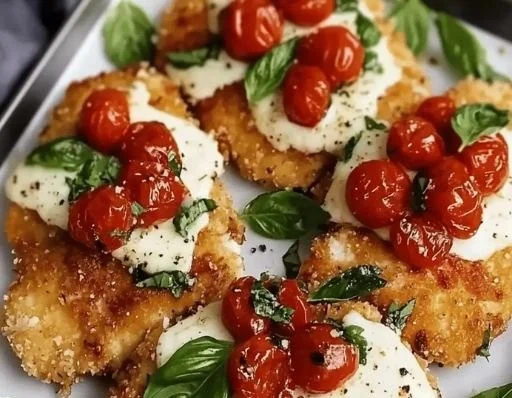
People tell me the key is the cheese, and they’re not wrong. Grating that 1 cup Parmesan Cheese from a block gives you sharp, nutty, almost crystalline flavor that melts into the breadcrumbs like magic. But the real lift comes from the 1/4 cup Fresh Basil folded into the crumbs; the green flecks and the fragrant steam as it cooks are tiny miracles. You’ll want to season the 1/2 cup Flour before dredging the chicken, adding salt and pepper and a pinch of garlic powder if you like, because that first coating is what helps the 1 cup Breadcrumbs and cheese cling. I sometimes think about swapping the breadcrumbs and basil for a version I saw online—if you want a melty twist try a mozzarella-and-basil variant that someone adapted from a recipe I bookmarked long ago, it’s similar but oozes cheese when you cut into it and I love that for weekend company.
Preparation and How I Do It
I flatten the chicken a little so each piece cooks evenly; a meat mallet or the bottom of a heavy skillet works fine. After patting the chicken dry I toss it with 1 tablespoon Lemon Juice and a little seasoning; letting it sit for 10 minutes adds a subtle brightness that cuts through the richness. I set up my station: the seasoned 1/2 cup Flour in one shallow plate, the 2 large Eggs beaten in a bowl with a splash of water, and the mixture of 1 cup Breadcrumbs, the grated 1 cup Parmesan Cheese, and chopped 1/4 cup Fresh Basil in another plate.
Dredging is a comforting rhythm. I press each breast into the flour, shake off the excess, dunk it in the egg, then press it firmly into the breadcrumb-parmesan-basil mix so the coating adheres in a nice even layer. Heat a skillet on medium with a couple tablespoons of oil; you want it shimmering but not smoking. Lay the cutlets in and listen for the sizzle—there is nothing like that first sound to convince you dinner is happening. Cook until golden brown on the first side, about 3 to 4 minutes, then flip and lower the heat slightly so the crust doesn’t burn while the center comes up to temperature.
A practical bit people always ask me is how to know it’s done right. I use a quick poke test—the chicken should feel slightly springy and the juices should run clear—or a thermometer if you are precise; 165 degrees Fahrenheit at the thickest part is safe and juicy. If the crust is browning too quickly before the middle cooks, slide the skillet into a 375-degree oven for a few minutes to finish without overcooking the exterior.
I learned a little trick from my grandmother: if a piece of chicken looks like it might dry out, top it with an extra pat of grated parmesan and a few basil leaves in the last minute of cooking; the cheese melts and forms a tiny, irresistible mantle. Also, always save a little extra lemon to squeeze over just before serving—acid brightens everything.
When It Sounds Right and Feels Done
You’ll know this dish is singing when the kitchen smells nutty and herbal, the crust is a warm golden brown, and the basil scent rises as you slice. The texture should be crisp outside and tender inside, not mealy or rubbery. One of my practical tips is to let the cutlets rest for a couple minutes on a rack rather than piling them on a plate; that keeps the bottom crisp. If you’re short on time, you can do most of the work earlier in the day: bread the chicken, cover it, and keep it in the fridge until you’re ready to fry. This makes the recipe an excellent choice for busy weeknights and also simplifies entertaining because you’re not stuck at the stove when company arrives.
When I make a double batch I pack leftovers into an airtight container and refrigerate them; they keep well for up to three days, and reheating in a skillet keeps the crust crisper than the microwave. For longer storage you can freeze the breaded raw cutlets separated on a tray, then bag them once solid; cook from frozen but add a minute or two per side.
Small Twists and Memories
I have a few variations that keep this from feeling repetitive. One is to add a teaspoon of smoked paprika into the flour for a subtle warmth, which pairs surprisingly well with the lemon. Another is to fold some finely chopped sun-dried tomatoes into the breadcrumb mix for a tangy, chewy surprise. For a lighter version I swap panko for the regular breadcrumbs and finish with a spray of olive oil so you still get the crunch without deep frying.
This recipe is wrapped up in small memories for me. My college roommate taught me to grate parmesan by hand after a late-night cooking experiment went sideways with pre-grated cheese; the texture was a revelation. My father always insisted on basil from the windowsill pot, tucking the leaves into napkins for the table. Those little rituals are why this dish feels like more than dinner.
If you want a crunchy, cheesy stovetop inspiration to riff off of, there’s a version that focuses on that extra-crisp finish that taught me new frying techniques and gave me ideas for timing and heat control.
Conclusion
If you want a mozzarella-and-basil twist that melts beautifully and gives a slightly different take on the same flavor profile, I’ve found this mozzarella basil chicken to be a helpful reference. And if you’re curious about a crunchy, cheesy stovetop chicken parmesan technique for even more crispiness, this crunchy, cheesy stovetop chicken parmesan article has great step-by-step guidance.
Parmesan Basil Chicken
Ingredients
Method
- Flatten the chicken slightly for even cooking using a meat mallet or heavy skillet.
- Pat the chicken dry and toss with lemon juice and seasoning; let sit for 10 minutes.
- Set up a breading station: seasoned flour in one plate, beaten eggs with a splash of water in a bowl, and breadcrumb, parmesan, and basil mixture in another plate.
- Dredge each chicken breast first in flour, shaking off excess, then in the egg, and finally press into the breadcrumb mixture.
- Heat oil in a skillet over medium heat until shimmering.
- Place the coated chicken cutlets in the skillet and cook each side until golden brown, about 3 to 4 minutes.
- Check doneness with a poke test or thermometer; chicken should reach 165 degrees Fahrenheit.
- If browning too quickly, transfer the skillet to a 375-degree oven for a few minutes.
- During the last minute of cooking, add an extra pat of grated parmesan and a few basil leaves on each piece.
- Let the chicken rest for a couple of minutes on a rack before serving to keep the bottom crisp.
- Serve with a squeeze of lemon for added brightness.