Easter Funfetti Cookies
A spring afternoon, a memory, and a pan of spotted cookies When I think of Easter, I don’t picture baskets so much as that moment when the house smells like sugar and butter and those tiny pastel flecks catch the light. I learned to make these Easter Funfetti Cookies on a rainy Sunday because my…
A spring afternoon, a memory, and a pan of spotted cookies
When I think of Easter, I don’t picture baskets so much as that moment when the house smells like sugar and butter and those tiny pastel flecks catch the light. I learned to make these Easter Funfetti Cookies on a rainy Sunday because my niece wanted something bright for the school party. The first tray came out uneven, but the grin on her face when she pulled a warm cookie apart made every imperfect edge worth it. If you like playful spring treats, you might also enjoy Easter birds nest cookies, which capture that same holiday whimsy in a different form.
The first batch that taught me balance
I experimented a few ways before settling on a simple, sturdy base that lets the pastel sprinkles sing without bleeding color into the dough. For a quick reference, here are the ingredients I use every time: 2 3/4 cups all-purpose flour, 1 tsp baking soda, 1/2 tsp salt, 1 cup unsalted butter, softened, 1 cup granulated sugar, 1/2 cup brown sugar, packed, 2 large eggs, 2 tsp vanilla extract, 1 cup pastel sprinkles. They’re ordinary pantry items, but their proportions are what matters.
What I discovered was that the brown sugar adds a subtle depth so the cookie isn’t flat-sweet, and a proper creaming step traps air so the cookie edges set just right without becoming cakey. The pastel sprinkles are fragile, so fold them in gently to avoid color streaks.
The method I landed on
I kept the method straightforward because part of the charm is making a batch quickly, then watching everyone raid the cooling rack. For clarity, here is the method laid out as I follow it:
- Preheat your oven to 350°F (175°C).
- In a bowl, mix flour, baking soda, and salt.
- In another bowl, cream together the butter, granulated sugar, and brown sugar until light and fluffy.
- Beat in the eggs one at a time, then stir in the vanilla.
- Gradually mix in the dry ingredients until just combined.
- Fold in the pastel sprinkles.
- Scoop tablespoons of dough onto a baking sheet lined with parchment paper, spacing them a few inches apart.
- Bake for 10-12 minutes, or until the edges are lightly golden.
- Allow to cool on the baking sheet for a few minutes before transferring to a wire rack to cool completely.
I usually scoop rounded tablespoons of dough and leave plenty of room because these cookies spread a touch. If you prefer a softer center, err on the shorter baking time.
Why pastel sprinkles matter more than you think
It’s tempting to use any sprinkles, but pastel ones carry the visual language of Easter—soft pinks, baby blues, lemony yellows. They don’t just decorate; they also affect appearance during baking. Bright neon jimmies can bleed and tint dough, whereas quality pastel confetti tends to keep its shape and color. I once swapped in rainbow confetti and ended up with a cookie that looked like a watercolor experiment gone wrong. Lesson learned.
Practical tip: fold the sprinkles in at the last possible moment so they stay intact. If you fold them too aggressively the colors may smear.
When the edges turn just golden
Knowing when these cookies are done is simple but crucial. The center should still look slightly soft and almost underbaked when you pull them from the oven; the edges will be lightly golden and set. They will firm up as they cool on the baking sheet—this short resting time lets the structure finish without drying the center. If you wait until the center looks fully dry, you’ll miss the tender chew.
A second tip: cool on the sheet for three to five minutes, then transfer to a rack. If you leave them too long on the hot sheet, they can overcook; move them too soon and they may fall apart.
Three small experiments that work
I love a good variation, so here are a few that kept the cookie’s spirit but changed the game slightly:
- Brown-butter twist: brown the 1 cup of unsalted butter before creaming. It adds a toffee-like note and deepens the cookie’s flavor. Reduce baking time by a minute or two if the butter is hot.
- Egg-less/quick swap: for one egg substitution try 1/4 cup applesauce plus an extra teaspoon of vanilla for moisture, though the texture will be slightly more cake-like.
- Chocolate-pastel: fold in 1/2 cup mini white chocolate chips along with the pastel sprinkles for pockets of creamy sweetness.
These aren’t required, but they’re fun if you like to tinker.
The little cooling ritual
When my niece first helped with these, she insisted on counting out the sprinkles before putting them in the dough. That small ceremony—measuring, scooping, watching the tray slide into the oven—became part of how we celebrated a simple afternoon together. After cooling, I’ll often press an extra sprinkle or two into the tops of still-warm cookies so they look freshly decorated.
Another practical tip: use parchment paper on the baking sheet for an effortless release and easier cleanup. If you don’t have parchment, a well-greased sheet will do, but the bottoms may brown faster.
What to serve these with and how to store leftovers
These cookies are happiest with a glass of cold milk or a gentle cup of tea. They also pair well with a bowl of fresh berries or a scoop of vanilla ice cream if you want to turn them into a make-shift dessert sandwich.
Storage is straightforward: keep cooled cookies in an airtight container at room temperature for up to 4 days. For longer storage, freeze the baked cookies in a single layer on a tray, then transfer to a freezer-safe container for up to 2 months. Thaw at room temperature. If you prefer to freeze dough, scoop tablespoon-sized mounds onto a tray, freeze until solid, then bag them; bake straight from frozen, adding a minute or two to the baking time.
A few final lessons learned
- Measure flour properly—too much flour makes dry cookies. Spoon the flour into the cup and level it off.
- Don’t overmix once the dry ingredients are in; stop when the dough is homogenous.
- Watch the oven in the final minute—the difference between lightly golden and overdone can be slight.
If you want a different kind of Easter craft in the kitchen, try making themed bites like the adorable Easter strawberries recipe tutorial for small, decorative nibbles, or compare how texture shifts across holidays with this almond-ginger Christmas tree cookies idea.
Conclusion
If you’d like a reference version of this recipe from another kitchen’s perspective, check out Easter Funfetti Cookies – Lord Byron’s Kitchen for a slightly different take and extra photos.
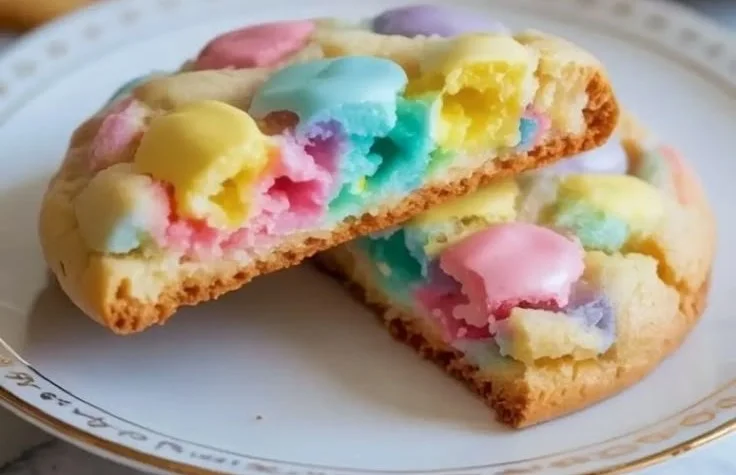
Easter Funfetti Cookies
Ingredients
Method
- Preheat your oven to 350°F (175°C).
- In a bowl, mix together the flour, baking soda, and salt.
- In another bowl, cream together the butter, granulated sugar, and brown sugar until light and fluffy.
- Beat in the eggs one at a time, then stir in the vanilla.
- Gradually mix in the dry ingredients until just combined.
- Fold in the pastel sprinkles gently to prevent color streaks.
- Scoop tablespoons of dough onto a baking sheet lined with parchment paper, spacing them a few inches apart.
- Bake for 10-12 minutes, or until the edges are lightly golden.
- Allow to cool on the baking sheet for 3-5 minutes before transferring to a wire rack to cool completely.