Easy Cottage Cheese Pancakes Ready in Under 45 Minutes
How I Found These Pancakes The first time I made Easy Cottage Cheese Pancakes Ready in Under 45 Minutes I was trying to salvage a sad little container of cottage cheese in the back of my fridge. I wanted something quick, comforting, and a little different from the usual toast. I remember the kitchen filling…
How I Found These Pancakes
The first time I made Easy Cottage Cheese Pancakes Ready in Under 45 Minutes I was trying to salvage a sad little container of cottage cheese in the back of my fridge. I wanted something quick, comforting, and a little different from the usual toast. I remember the kitchen filling with a warm, slightly tangy aroma as the batter hit the hot pan and the gentle sizzle that made me realize breakfast was suddenly worth lingering over. If you ever like to repurpose ingredients, you might find the same kind of unexpected pleasure I did; I even once adapted the idea after riffing off an easy high protein cottage cheese pizza bowl recipe I’d bookmarked, which convinced me cottage cheese belongs in everything.
The Ingredient Roll Call
I keep the ingredient list very simple, which is part of why I come back to this recipe on busy mornings. You’ll need 1 cup cottage cheese, 2 eggs (large), 0.75 cup all-purpose flour, 1 tsp baking powder, 0.25 tsp baking soda, 0.25 tsp salt, 2 tbsp honey or maple syrup, 1 tsp vanilla extract, 0.25 cup milk, and 1 tbsp butter or oil for cooking. Saying them out loud feels almost like setting the scene: the custardy cottage cheese, the sweet promise of honey or maple syrup, the small lift from baking powder and baking soda. I like to measure everything out so I can move quickly once the skillet is hot.
Getting the Texture Just Right
What makes these different from everyday pancakes is the cottage cheese. Whisk cottage cheese and eggs until mostly smooth. That sentence is where the magic begins. I often leave a few curds for texture, but if you prefer an ultra-smooth crepe-like pancake you can give the mixture a quick whirl in a blender. Add honey, vanilla, and milk; mix well. While those flavors meld, I sift the dry bits because they sift better into the wet mix: In a separate bowl, combine flour, baking powder, baking soda, and salt. Then I fold gently because overworking the batter makes pancakes tough. Fold dry ingredients into wet ingredients gently. It will be a thick, slightly lumpy batter that still pours a bit.
Heat skillet over medium heat and grease lightly. I always test a tiny dollop first to check the temperature; the pan should be hot enough that a small sizzle greets the batter but not so hot that the outside burns before the inside cooks. When the batter meets the pan you’ll hear a satisfying hiss and start to see bubbles form on the surface. Cook pancakes until bubbles form, flip, and cook until golden. That is how you know they are done right: the edges should look set, the top dotted with bubbles, and the underside a warm golden brown. If you press gently and the center feels springy rather than gooey, you’re in the clear.
A few quick tips I’ve learned: warm the milk slightly if your cottage cheese is cold so the batter comes together more smoothly; always use medium heat rather than high because the cottage cheese interior needs a little time to set; and if you want thinner pancakes, add a tablespoon more milk at a time.
A Few Things I’ve Learned
These pancakes are forgiving, which is why I love them for both sleepy weekend brunches and rushed weeknights. If I’m making them for a crowd I keep the cooked pancakes warm on a baking sheet in a 200 degree oven and finish the rest of the batch, then serve them all warm together. Leftovers store very well: I put them in an airtight container in the refrigerator for up to three days, or freeze individual pancakes separated by parchment so I can pull one or two out and reheat quickly in a toaster oven or skillet. When I want to meal prep, I double the recipe and freeze half; reheating takes just a couple of minutes and they come back almost as good as fresh.
Another tip I learned from a kitchen tinkerery habit is to add a little lemon zest or cinnamon if I want brightness or depth. I also discovered that the same logic works with savory tweaks, which reminded me of experimenting with other simple stovetop recipes like this stovetop barbecue pulled chicken ready in 40 minutes, where small flavor swaps make a big difference.
Making It Yours
There are a few variations I rotate through so these pancakes never feel boring. For a fruity version I fold in a handful of blueberries or thin slices of banana right before scooping the batter. For a heartier, more wholesome pancake I replace a quarter cup of flour with rolled oats or use whole wheat instead of all-purpose. For a savory twist I skip the honey and vanilla and add chives and grated Parmesan, then serve with smoked salmon or a poached egg. Each variation changes the aroma as they cook: blueberries bring a sweet perfume and the skillet pops and spits tiny jammy droplets, while savory versions smell almost like a warm omelet with toasted edges.
What to serve with them depends on the mood. My go-to is classic: warm maple syrup, a pat of butter, and a scattering of fresh berries. Sometimes I dollop a spoonful of Greek yogurt to add creaminess and tang. For a protein-forward brunch I serve them alongside turkey bacon or a quick pan of sautéed greens. They also pair well with a simple fruit compote if you’ve got a little extra time to simmer berries and a splash of citrus.
Conclusion
If you want a different presentation of cottage cheese pancakes for inspiration, take a look at MauiJim’s Cottage Cheese Pancakes – LunaCafe for an interesting take on the classic idea. And if you are planning breakfasts that fit a balanced macro approach, this roundup of 30+ of the BEST Macro Friendly Recipes – Eat the Gains has great ideas to pair with these pancakes or build a week of smart meals.
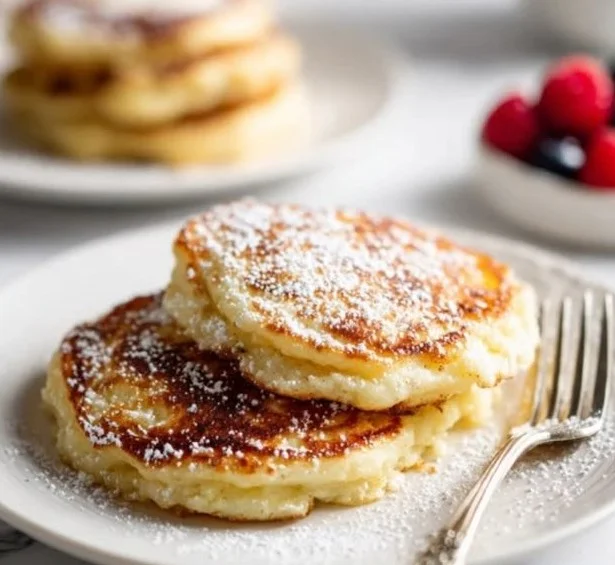
Cottage Cheese Pancakes
Ingredients
Method
- In a large bowl, whisk together the cottage cheese and eggs until mostly smooth, leaving a few curds for texture.
- Add honey, vanilla, and milk; mix well.
- In a separate bowl, combine flour, baking powder, baking soda, and salt. Sift together to remove lumps.
- Gently fold the dry ingredients into the wet mixture until just combined; the batter will be thick and lumpy.
- Heat a skillet over medium heat and lightly grease it.
- Test the temperature with a small dollop of batter; it should sizzle gently.
- Pour batter onto the skillet, cooking until bubbles form on the surface, then flip and cook until golden brown.