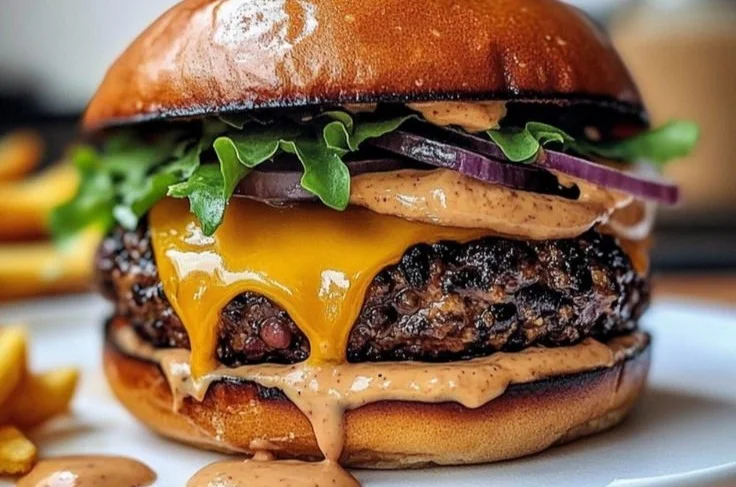
Epic Black Bean Burger
How I Stumbled Into This Epic Black Bean Burger The first time I made what I now call my Epic Black Bean Burger, it was a rainy Sunday and I wanted something hearty but not heavy. I had a can of black beans and a bit of quinoa left from dinner the night before, and…
How I Stumbled Into This Epic Black Bean Burger
The first time I made what I now call my Epic Black Bean Burger, it was a rainy Sunday and I wanted something hearty but not heavy. I had a can of black beans and a bit of quinoa left from dinner the night before, and the kitchen smelled like sautéed onions in no time. If you like quick weeknight ideas that still feel special, this is for you—it’s the kind of recipe that sits comfortably next to a bowl of something warm, like the 25-minute black bean soup I sometimes make when I want soup and a sandwich in one meal. It’s forgiving, flavorful, and has that little crunchy edge from a golden crust that makes people forget it’s mostly beans.
The Ingredients I Always Keep On Hand
I tend to shop for pantry-friendly recipes, so the full ingredients list reads like something I keep stocked: 1 can (15 oz) low-sodium black beans, drained and rinsed, 1 cup cooked quinoa, 1 medium onion, finely chopped, 3 cloves garlic, minced, 2 tsp smoked paprika, 1 tsp ground cumin, 1/2 cup quick oats, 1/2 cup whole wheat breadcrumbs (or gluten-free), 4 burger buns (whole grain or gluten-free), Toppings: lettuce, tomato, avocado. Those items are small in number but they play well together—the smoked paprika gives a warm smokiness, the cumin a subtle earthiness, and the oats/breadcrumbs are the quiet glue that keeps everything together.
Cooking It — Step by Step, Like I Do
I don’t do numbered lists when I cook for friends; I talk through the pan as it heats up. In a large bowl, mash half of the black beans with a fork until chunky; leave the other half whole. Sauté chopped onion in olive oil over medium heat until soft. Stir in minced garlic and cook until fragrant. Add smoked paprika and cumin to the skillet; mix in cooked quinoa. Combine sautéed mixture with mashed beans, oats, and breadcrumbs until well mixed. Shape into patties about ½ inch thick and chill for at least 15 minutes. Cook patties in a non-stick skillet over medium heat for about 5 minutes on each side until golden brown.
A couple of tips while you’re doing this: I always mash only half the beans because I love the contrast of creamy and whole beans—gives a lovely bite. When I sauté the onion, I let it go a touch beyond translucent so it gets a sweet edge; that little caramelization lifts the whole burger. Also, chilling the patties is not optional in my kitchen—fifteen minutes in the fridge firms them up and makes them far less likely to fall apart when you flip.
How to Tell When It’s Perfect
There’s an unmistakable set of sensory cues I look for. The outside should be a deep golden brown and give a light, crisp sound when you slide a spatula underneath. When you press the center gently with your finger, it should spring back slightly but hold together; that’s when you know the oats and breadcrumbs have done their job. If the patties are too soft, they need more chilling or a pinch more oats next time. If you’re unsure, cut one open—the center should be moist but not mushy, and the quinoa will show as little pearls that catch the light. I sometimes serve these alongside roasted vegetables or a slightly spicy bowl like my favorite chipotle roasted butternut squash and black beans, because the textures make each bite interesting.
Small Changes That Make Big Differences
The best thing about this recipe is how adaptable it is. If you want to make it smoky and spicy, stir in a small minced chipotle pepper or a dash of hot sauce. For a sweeter twist, grate some cooked sweet potato into the mix—adds moisture and a beautiful color. I’ve made it with different grains too; swap quinoa for brown rice or even farro in a pinch. One variation I adore is folding in a half cup of corn and a handful of chopped cilantro for a summery vibe that pairs perfectly with a corn and black bean salad.
A few practical tips I promise by heart: toast the buns slightly so they don’t get soggy, use a non-stick skillet and a touch of oil to get that golden sear, and always let the patties rest a couple of minutes after cooking—flavors settle and they’re easier to handle. If you want a protein boost, stir in an extra half cup of cooked lentils or swap the quinoa for a bit more oats for a denser patty. For a different meal altogether, crumble the cooked patties over greens with avocado and tomato or serve in warm pita.
Little Stories, Leftovers, and Other Things
Making these burgers became a weekend ritual for me—my neighbor once brought over a jar of homemade pickles after trying them and I’ve been experimenting with pickled toppings ever since. If you’re making a batch ahead, the chilling step is your friend: shaped patties can sit in the fridge covered for up to two days. For longer storage, freeze the uncooked patties on a baking sheet until firm, then stack them between parchment and seal in a freezer bag for up to two months; cook from frozen in a skillet, adding a couple of minutes per side. Leftover cooked burgers keep well in the fridge for about three days; I reheat them in a skillet to regain that crisp edge.
If you want another warm, comforting companion for a burger night, try pairing with a smoky rice bowl like this chipotle chicken bowl with black beans and corn—you can tone down the heat and make everything family-friendly. When I bring these to potlucks I also sometimes include a pot of my quick Cuban black bean soup, especially if it’s chilly—the combo of burger and soup is unexpectedly satisfying, and if you’re curious, I follow a version similar to this Cuban black bean soup on busy nights.
I love this recipe because it’s honest food: comforting, nutritious, and a tiny bit indulgent. It’s forgiving if you miss an exact measurement and flexible if you’re feeding picky eaters or vegetarians. Most importantly, it produces those crispy, flavorful edges and a tender interior that makes even bean skeptics ask for seconds.
Conclusion
If you want another riff on black bean burgers for inspiration, I like comparing ideas with established recipes like 40 Aprons’ Epic Black Bean Burgers which highlights some different texture techniques. For a bright, herby take that leans lighter and fresh, this Easy Black Bean Burger Recipe from Love and Lemons is a lovely companion read.
Epic Black Bean Burger
Ingredients
Method
- In a large bowl, mash half of the black beans with a fork until chunky; leave the other half whole.
- Sauté chopped onion in olive oil over medium heat until soft.
- Stir in minced garlic and cook until fragrant.
- Add smoked paprika and cumin to the skillet; mix in cooked quinoa.
- Combine sautéed mixture with mashed beans, oats, and breadcrumbs until well mixed.
- Shape into patties about ½ inch thick and chill for at least 15 minutes.
- Cook patties in a non-stick skillet over medium heat for about 5 minutes on each side until golden brown.