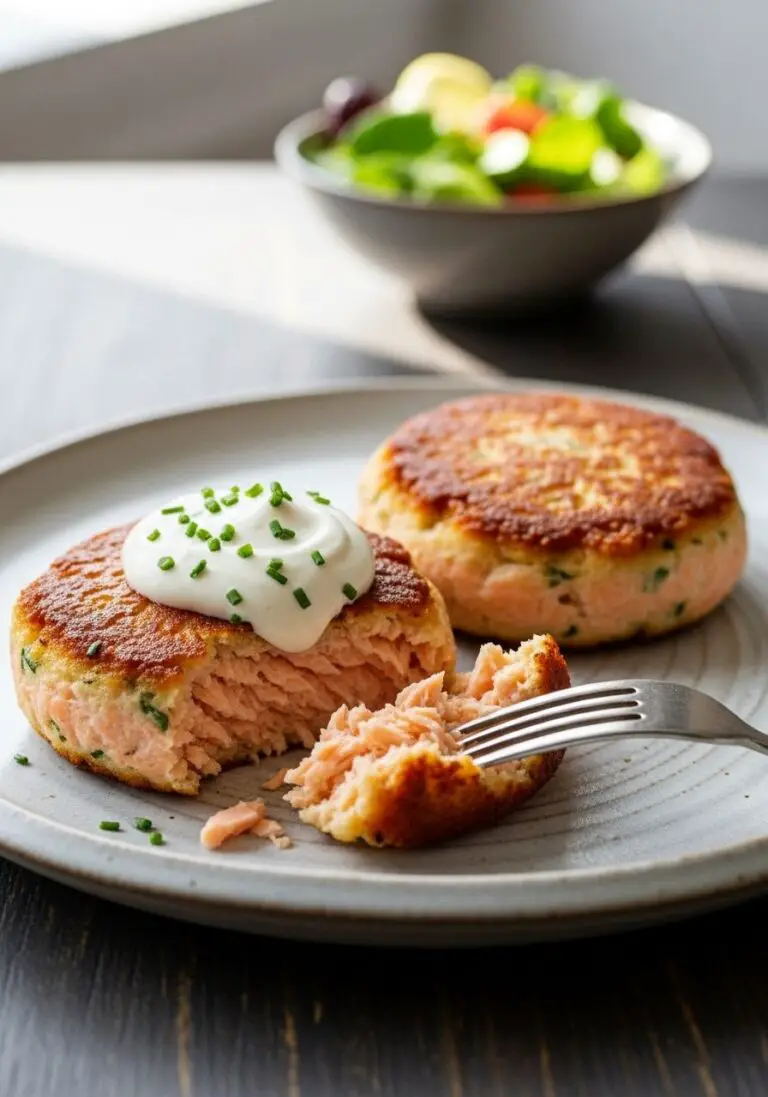
Gordon Ramsay Pan Fried Salmon Recipe
A Salmon Story I remember the first time I tried to make what I’d later call my favorite weeknight dinner: Gordon Ramsay Pan Fried Salmon Recipe. It was raining, the kitchen smelled like citrus and butter, and I wanted something that felt fancy but came together in minutes. I had a couple of fillets in…
A Salmon Story
I remember the first time I tried to make what I’d later call my favorite weeknight dinner: Gordon Ramsay Pan Fried Salmon Recipe. It was raining, the kitchen smelled like citrus and butter, and I wanted something that felt fancy but came together in minutes. I had a couple of fillets in the fridge and, after a few tries, this simple method became my go-to. If you want to try it, you’ll need 2 skin-on salmon fillets (180 g / 6 oz each, 2 cm thick), 2 tsp neutral oil (grapeseed or canola), Kosher salt, to taste, Freshly ground black pepper, to taste, 1 Tbsp unsalted butter, Optional: lemon wedge and chopped parsley to finish. I like to keep the shopping list small because the technique is what does the heavy lifting.
A little aside: while I was experimenting, I stumbled across a different approach in a recipe for an easy sheet pan salmon, and that gave me confidence to simplify things at home without losing flavor.
The Secret Behind Perfect Gordon Ramsay Pan Fried Salmon Recipe
The magic, for me, is all about the skin and the timing. Pat salmon skin completely dry; score three shallow slashes. This step seems small but it changes everything: dry skin means less steam and more glorious crisp. Season both sides with salt and pepper. You want to do this right before the pan because salt will draw moisture out if you wait too long.
Heat cast-iron skillet over medium-high 3 min; add oil. You’ll hear that satisfying sizzle the moment the fish hits the surface. Lay salmon skin-side down; press 15 s to keep flat. Pressing it with a spatula for about 15 seconds stops the edges from curling and guarantees full contact with the pan. Cook without moving 5–6 min until colour rises two-thirds up side. Resist the temptation to peek or prod; movement prevents the even, golden crust we all want.
Flip; add butter; baste 60–90 s until core 46 °C / 115 °F. The butter foams and browns slightly, taking on nutty aromas that perfume the kitchen. Transfer skin-side up to warm plate; rest 3 min. Finish with lemon squeeze and parsley; serve immediately. That rest lets the juices settle so the center stays glossy and tender instead of drying out.
Getting the Texture Just Right
Knowing when salmon is done can make or break the dish. I test the core temperature once in a while, but usually I watch the colour move up the side and rely on feel. The inside should still be a soft pale pink, not chalky or gray. When you baste and the core reaches about 46 °C / 115 °F, the flesh will be tender and slightly translucent in the center after resting. If you prefer a firmer finish, add another 30 seconds on the heat, but honestly, that rich, slightly underdone center is what keeps the texture luscious.
One of my little tricks is to warm the plate in the oven for a few minutes while the fish cooks so the skin stays crisp against a warm surface. Another tip: if your fillets are thicker or thinner than 2 cm, adjust the pan time by 1–2 minutes accordingly.
I also found inspiration in an air fryer salmon method that reinforced how important consistent heat and timing are — the tools change but the principle stays the same.
A Few Things I’ve Learned
There are a handful of things I always remind friends when I show them this recipe. First, always pat the fish thoroughly; moisture is the enemy of crisp skin. Second, don’t overcrowd the pan; two fillets in a hot cast-iron skillet cook beautifully without steaming. Third, when you flip, be gentle. The skin has done the heavy lifting, so a careful flip keeps the fillet intact.
If something goes wrong, like the skin sticking, a quick splash of oil and a shimmy with the spatula usually solves it. Once, I accidentally used a nonstick pan and it still turned out fine, but the crust was nowhere near as dramatic as the cast-iron version. I also like to pair this salmon with a bright salad or roasted new potatoes; on lazy Sundays I’ll serve it alongside baked salmon with grapefruit salad vibes—something citrusy to cut through the butter.
Making It Your Own
I love how adaptable this recipe is. If you want a little sweetness, brush the flesh with a mixture of honey and soy in the last 30 seconds and baste lightly. For a more Mediterranean tilt, top with chopped tomatoes, capers, and a drizzle of olive oil once it’s rested. You can replace the neutral oil with a splash of sesame oil for a toasty edge, though I usually keep it neutral to let the butter and salmon sing.
If you ever have leftovers, they store surprisingly well. I wrap them tightly and keep in the fridge for up to two days. Reheating gently in a low oven or briefly in a nonstick skillet keeps the texture closer to fresh; microwave reheating turns the skin rubbery and the flesh a bit overdone. Another pleasant option is to flake the cold salmon into a salad or a quick pasta for lunch the next day. For brunch shakeups, I sometimes serve the fish with a stack of warm apple fritter pancakes to contrast sweet and savory, an idea I borrowed from a recipe for apple fritter pancakes I adore.
Two quick variations I often try: one, add a teaspoon of smoked paprika to the salt and pepper for a smoky note; two, switch the salmon for trout when you find it on sale for a lighter, equally delicious version. If you like following other chefs, I sometimes compare this to my attempt at a more robust meaty dish such as Gordon Ramsay’s corned beef and cabbage, just to remind myself how different techniques suit different proteins.
The Best Part About This Dish
For me, the best part is that it makes me feel capable — like I can produce a restaurant-level plate with minimal fuss. The sound of that initial sizzle, the way the butter smells as it browns, the bright pop from a lemon squeeze — they add up to something comforting and celebratory at the same time. Serve it with a simple green salad, steamed asparagus, or some buttery potatoes when you want to keep things even more classic.
I also appreciate how forgiving it is. Follow the few key steps, watch the colour change, and you will get flaky, tender salmon with a crackling crown of skin. It’s the kind of recipe I send to friends who say they can’t cook fish without fear.
Conclusion
If you want to compare notes or try a close copycat approach, this write-up on Easy Pan Seared Salmon (Gordon Ramsay Method) – Jazz Leaf is a helpful companion. For another take with visuals and a slightly different method, I also like Gordon Ramsey’s Salmon Recipe (Crispy & Pan-Seared). Give this a go on a weeknight and tell me how your first pan-sizzle went — I still grin every time mine turns out just right.
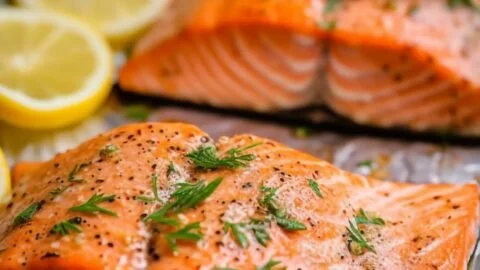
Gordon Ramsay Pan Fried Salmon
Ingredients
Method
- Pat salmon skin completely dry and score three shallow slashes.
- Season both sides of the salmon with salt and pepper right before cooking.
- Heat a cast-iron skillet over medium-high heat for 3 minutes.
- Add the oil and wait for it to heat up.
- Lay salmon skin-side down in the skillet and press for 15 seconds to keep it flat.
- Cook without moving for 5–6 minutes until color rises two-thirds up the side.
- Flip the salmon, add butter to the skillet, and baste for 60–90 seconds until core temperature reaches 46 °C / 115 °F.
- Transfer the salmon skin-side up to a warm plate and let rest for 3 minutes.
- Finish with a squeeze of lemon and sprinkle with parsley, then serve immediately.