Grandpa’s Old-Fashioned Oyster Stew (A Creamy Holiday Classic!)
Imagine a quiet Christmas Eve, with soft lights twinkling and a gentle warmth emanating from the kitchen. For me, the scent of that evening is forever captured in a bowl of my grandpa’s traditional oyster stew. This isn’t a thick, heavy chowder; it’s something far more elegant and pure. It’s a delicate, creamy, and deeply…
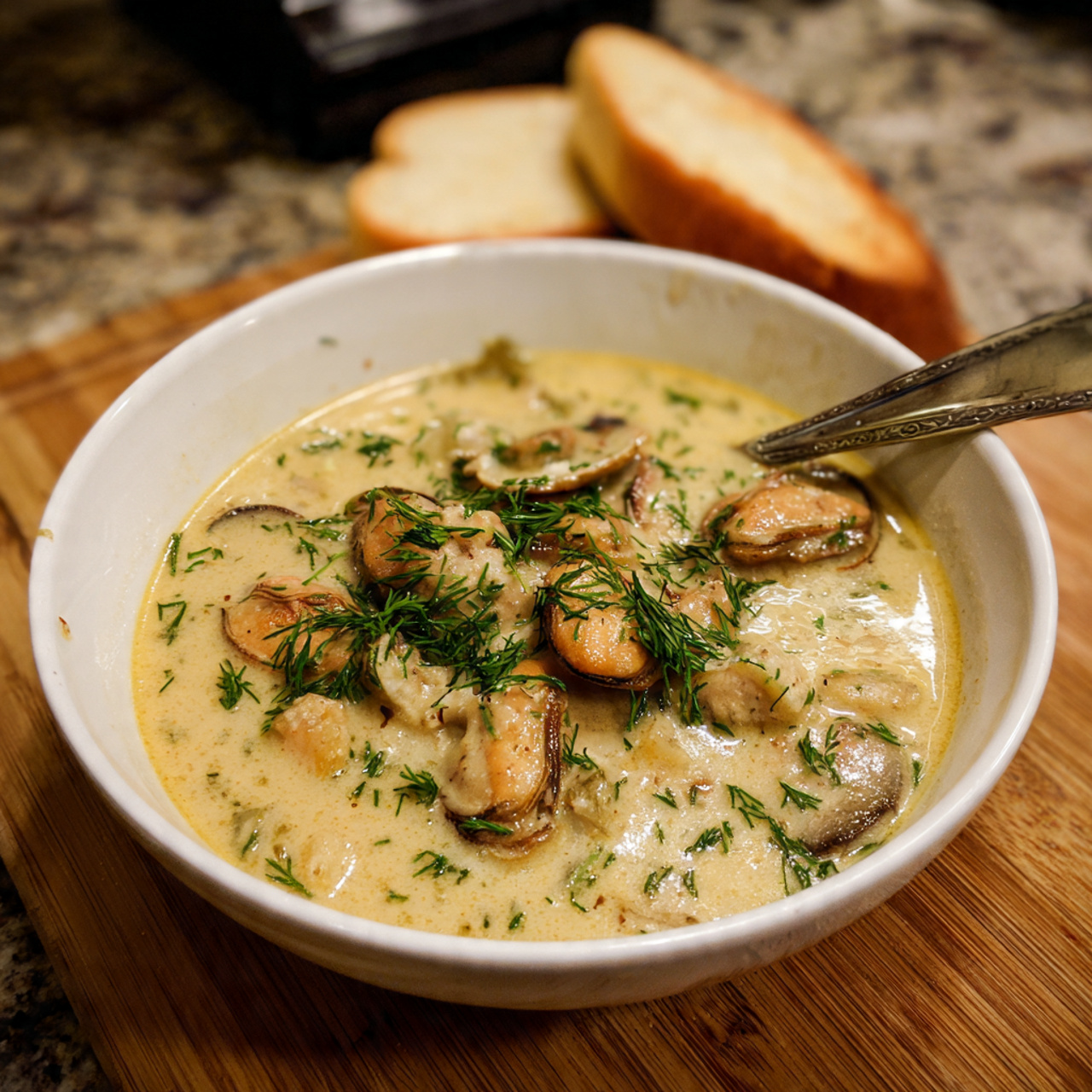
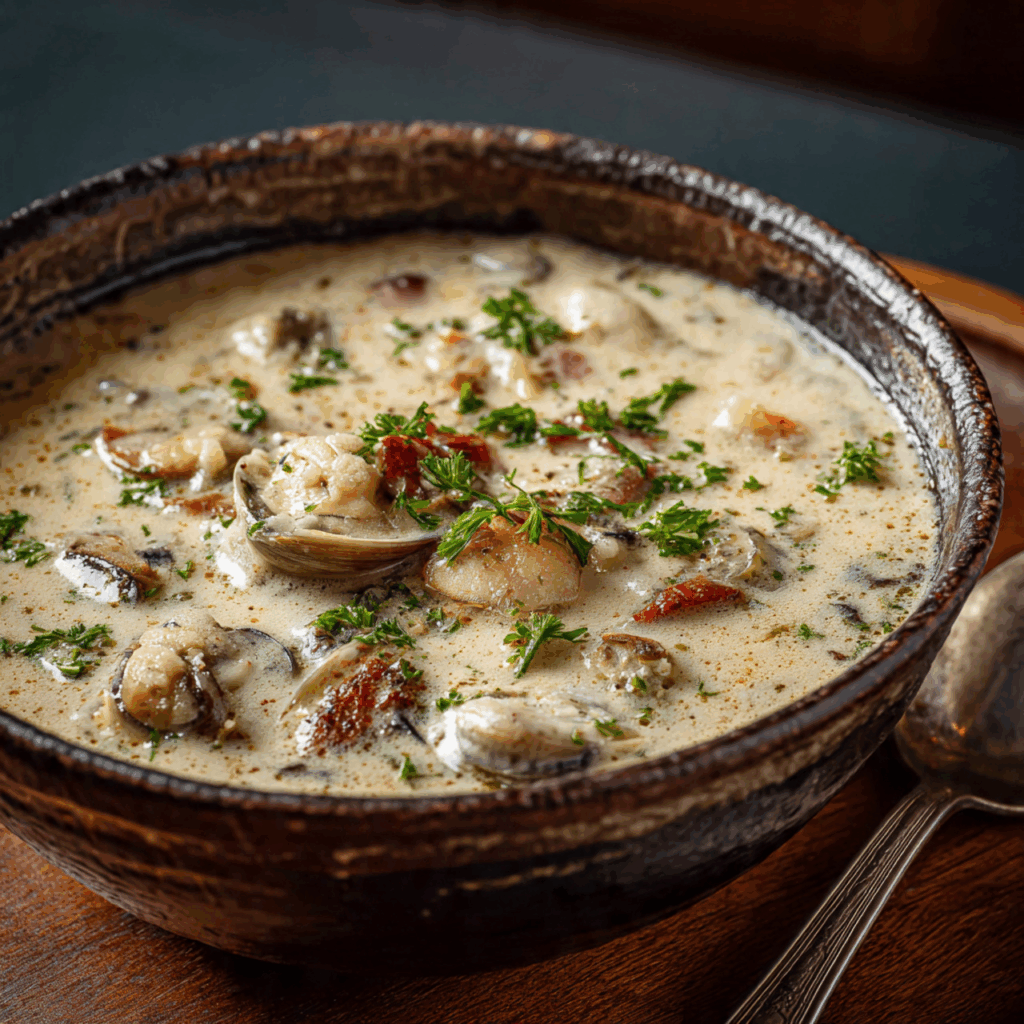
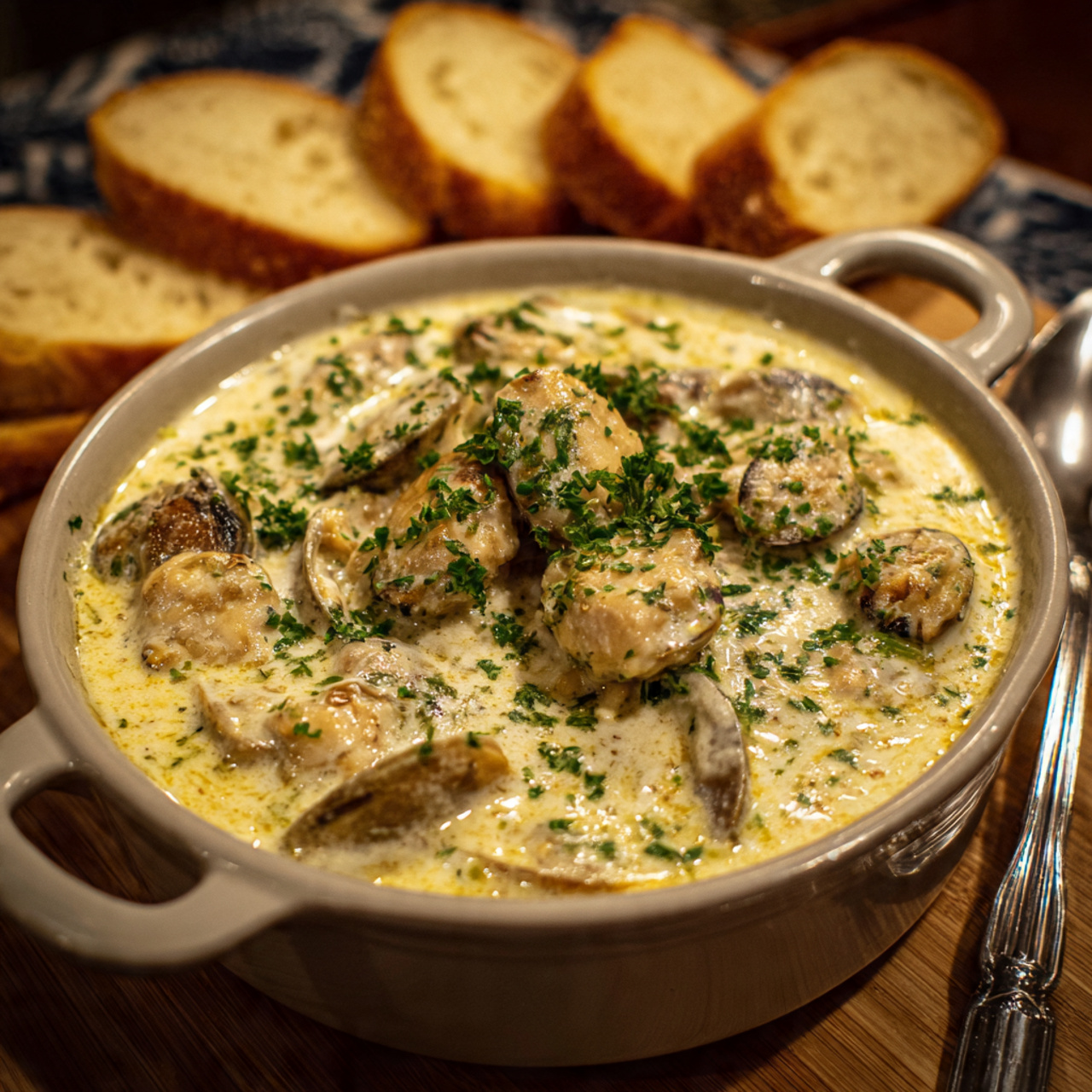
Imagine a quiet Christmas Eve, with soft lights twinkling and a gentle warmth emanating from the kitchen. For me, the scent of that evening is forever captured in a bowl of my grandpa’s traditional oyster stew. This isn’t a thick, heavy chowder; it’s something far more elegant and pure. It’s a delicate, creamy, and deeply flavorful soup where fresh, briny oysters are the undisputed star, swimming in a velvety bath of whole milk and butter.
I promise you, there is no greater comfort than a warm spoonful of this creamy, savory soup. It’s a cherished family tradition, a recipe that tastes of nostalgia, love, and the quiet joy of the holidays. The slow, gentle simmer allows the delicate flavor of the oysters to perfume the entire pot of milk, creating a taste that is subtle yet unforgettable. It is, quite simply, the taste of home.
Get ready to create a new tradition in your own family. This is more than a recipe; it’s a memory in the making.
Why This Simple Stew is So Incredibly Special!
You are going to be amazed by how much flavor is coaxed from so few ingredients. This is a timeless classic for so many good reasons:
- A Cherished Holiday Tradition: This is the kind of recipe that creates lasting memories. It’s the perfect, elegant start to a Christmas Eve or New Year’s dinner.
- Incredibly Simple & Pure: With just a handful of core ingredients, this recipe is all about quality. There’s nowhere for ingredients to hide, so the fresh, briny flavor of the oysters shines through beautifully.
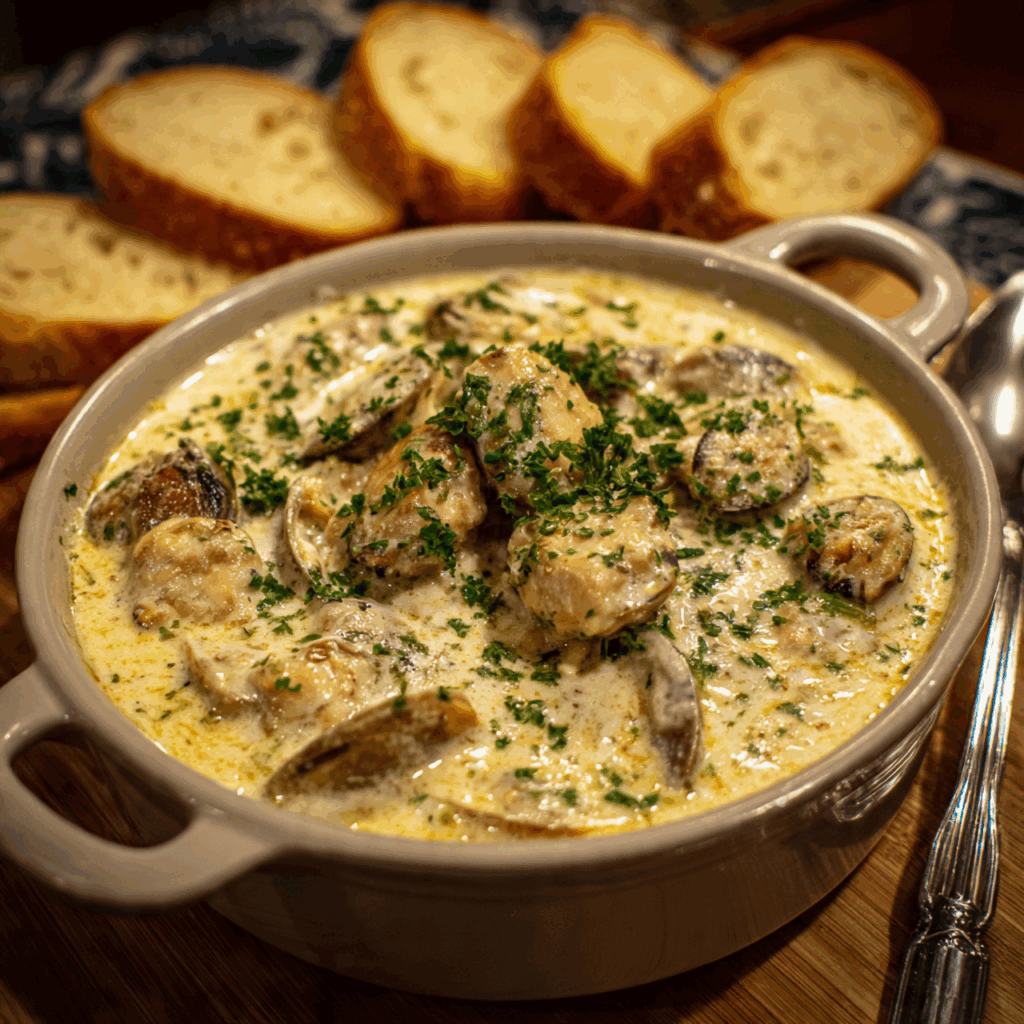
- Delicately Creamy, Not Thick: Forget heavy, flour-thickened chowders. This stew has a light, velvety, and soupy consistency that is incredibly comforting without being heavy.
- The Ultimate Make-Ahead Soup: The flavor of this oyster stew actually deepens and improves as it rests. Making it a day ahead is not just a time-saver; it’s a flavor-booster!
- Full of Old-Fashioned Charm: This recipe is a beautiful taste of the past. It’s simple, elegant, and proves that you don’t need a long list of ingredients to create something truly delicious.
Recipe Snapshot
| Prep Time | 10 minutes |
| Cook Time | 2 hours 7 minutes |
| Total Time | 2 hours 17 minutes |
| Servings | 8 bowls |
| Calories | ~440 kcal per bowl |
| Course | Soup, Appetizer |
| Cuisine | American |
| Difficulty/Method | Easy / Stovetop |
Your Shopping List for This Nostalgic Stew
The beauty of this recipe lies in its minimalism. Quality is everything here.
→ For the Stew
- ½ gallon whole milk → This is the non-negotiable, creamy foundation of the stew. Do not substitute with lower-fat milk.
- 2 to 3 (8-ounce) jars fresh oysters → The star of the show! Use the best quality fresh, shucked oysters you can find.
- 1 cube (½ cup) butter → For a rich, luscious flavor.
- 1 teaspoon celery salt → A classic, savory seasoning that perfectly complements the oysters.
- 1 teaspoon salt → Or more celery salt, to taste.
- ½ teaspoon freshly ground black pepper → For a gentle touch of warmth.
Let’s Make Oyster Stew! Your Step-by-Step Guide
Ready to create a timeless classic? The process is simple, requiring mostly patience and gentle heat.
Part 1: The Flavorful Oyster Base
- Prep the Oysters: Gently dice your fresh oysters into bite-sized pieces. Place them in a medium stew pan or saucepan.
- Create the Base: To the pan with the oysters, add 1 cup of water, the full cube of butter, the celery salt, salt, and freshly ground black pepper.
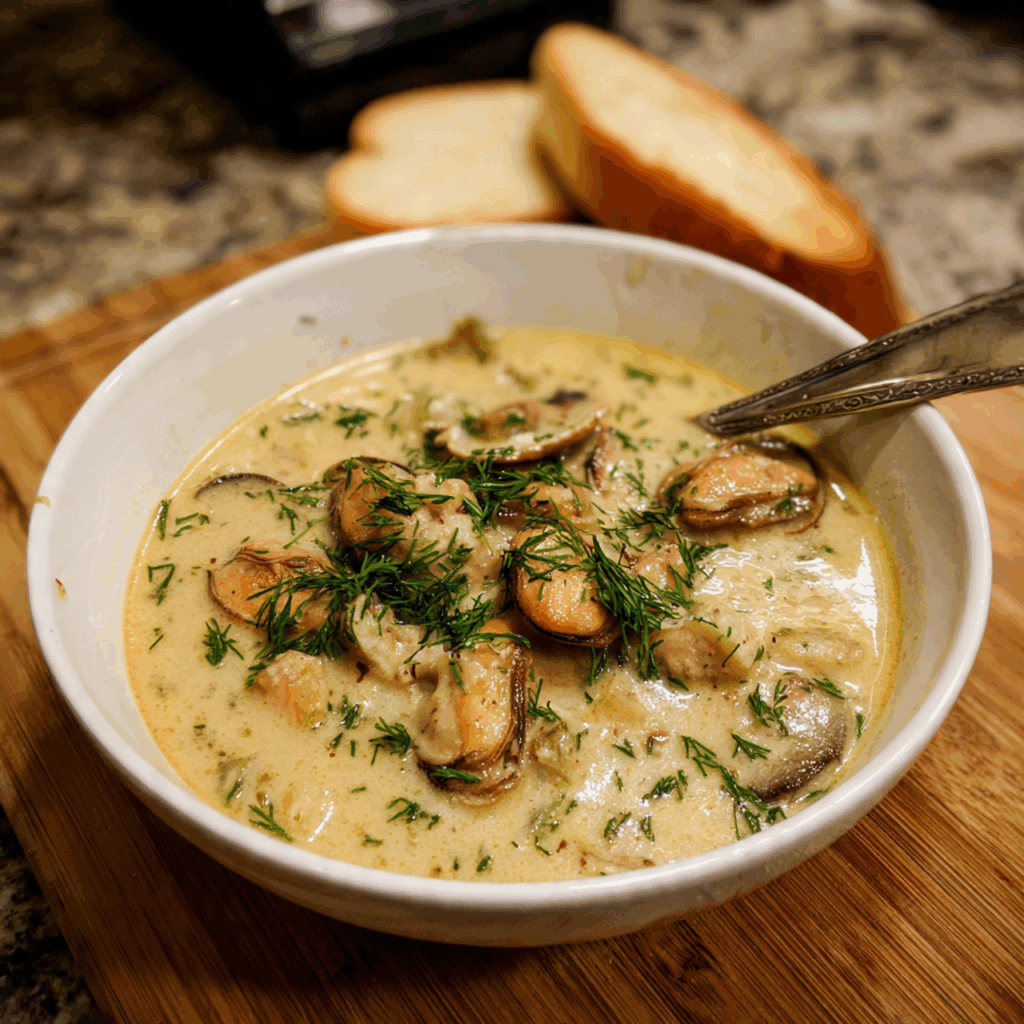
- Gentle Simmer: Place the pan over medium-low heat. Bring the mixture to a very gentle simmer and let it cook for about 7 minutes. This step cooks the oysters and creates a wonderfully flavorful, buttery broth.
Part 2: The Slow Infusion
- Warm the Milk: While the oysters are simmering, gently heat the whole milk in a double boiler over simmering water. If you don’t have a double boiler, you can use a large, heavy-bottomed pot on the absolute lowest heat setting. The key is to warm the milk without scorching or boiling it.
- Combine and Infuse: Carefully pour the entire oyster and butter mixture into the warm milk. Stir gently to combine.
- The Slow Simmer: This is where the magic happens. Keep the stew over very low, gentle heat (a double boiler is perfect for this) and let it simmer for at least two hours. Do not let it boil. The longer it simmers, the more the delicate oyster flavor will infuse into the milk.
- Serve: After the long simmer, stir the stew well, taste, and adjust the seasoning with more salt or pepper if needed. Ladle into warm bowls and serve immediately.
Grandpa’s Old-Fashioned Oyster Stew
Ingredients
Equipment
Method
- In a medium stew pan, combine the diced oysters, 1 cup of water, butter, celery salt, salt, and pepper.
- Bring the mixture to a gentle simmer over medium-low heat and cook for seven minutes.
- Meanwhile, gently heat the whole milk in a double boiler or in a large pot over very low heat. Do not let it boil.
- Carefully add the entire hot oyster mixture to the warm milk and stir to combine.
- Continue to simmer the stew gently over low heat for at least two hours to allow the flavors to infuse. The longer it simmers, the more flavorful it becomes.
- Stir well, taste and adjust seasoning if needed, and serve hot.
Notes
WiseRecipes’ Top Tips for Perfect Oyster Stew
These simple secrets are the key to mastering this delicate, old-fashioned recipe.
- Use the Freshest Oysters Possible. Since this recipe has so few ingredients, the quality of your oysters will determine the quality of your stew. Use fresh, shucked oysters from a trusted fishmonger if possible. Good quality jarred oysters are the next best thing.
- Do NOT Boil the Milk. This is the most important rule of all. Boiling milk will cause it to scorch on the bottom and can make it curdle, ruining the texture of your stew. A double boiler is the traditional, foolproof tool for this, but very low, patient heat will also work.
- Low and Slow is the Secret. The 2-hour simmer is not a suggestion; it’s the entire point of the recipe. This isn’t about cooking the ingredients; it’s about gently infusing the milk with the essence of the oysters. Patience is the key ingredient.
- Let It Rest for the Best Flavor. As my grandpa knew, this stew is even better the next day. The flavors continue to meld and deepen in the refrigerator overnight. If you have the time, make it a day ahead for the ultimate flavor experience.
- Don’t Skimp on the Butter. The butter adds a necessary richness and luscious mouthfeel that balances the lean milk and briny oysters. Use the full amount for that authentic, old-fashioned flavor.
Keep It Fresh! Storing Your Oyster Stew
This stew is a fantastic make-ahead dish, and here’s how to store it.
- Refrigerator: Allow the stew to cool completely, then store it in an airtight container in the refrigerator for up to 3 days. As mentioned, the flavor will actually improve!
- Reheating: To reheat, do so gently over low heat on the stovetop, stirring occasionally until warmed through. Again, do not let it boil.
- Freezing: I do not recommend freezing this stew. Milk-based soups have a tendency to separate and become grainy when thawed, which would ruin the delicate, creamy texture.
FAQs: Your Oyster Stew Questions, Answered!
Why is my stew so thin? Is it supposed to be?
Yes, absolutely! This is a very traditional, old-fashioned style of oyster stew. It is a soup, not a thick chowder. Its consistency should be that of flavored, enriched milk. It is not meant to be thickened with any flour or cornstarch.
Can I use fresh shucked oysters instead of jarred?
Yes, that would be ideal! If using freshly shucked oysters, be sure to reserve their liquor (the natural brine in the shell). You can add this liquid to the stew pan along with the butter and oysters in Step 2 for an even deeper, brinier flavor.
What is a double boiler and why do I need one?
A double boiler is a set of two pots; a larger one holds simmering water, and a smaller one fits on top. It allows you to heat delicate ingredients like milk or chocolate using gentle, indirect steam heat, which prevents scorching. If you don’t have one, you can create a makeshift version by placing a heatproof bowl over a saucepan of simmering water (ensure the bottom of the bowl doesn’t touch the water).
My stew seems bland. What can I do?
First, make sure you’ve seasoned it adequately with salt. A stew like this needs a good amount of salt to make the flavors pop. Second, ensure you’ve used high-quality, fresh oysters and simmered it for the full two hours. For a little extra punch, some people like to add a dash of Worcestershire sauce or a tiny pinch of cayenne pepper at the end.
Final Thoughts: A Tradition in a Bowl
There is something truly special about a recipe that is so simple yet so deeply evocative. This oyster stew is a connection to the past, a celebration of simple ingredients, and the perfect, elegant start to a holiday meal. I hope this treasured family recipe brings as much warmth and joy to your table as it has to mine for all these years. Happy simmering!