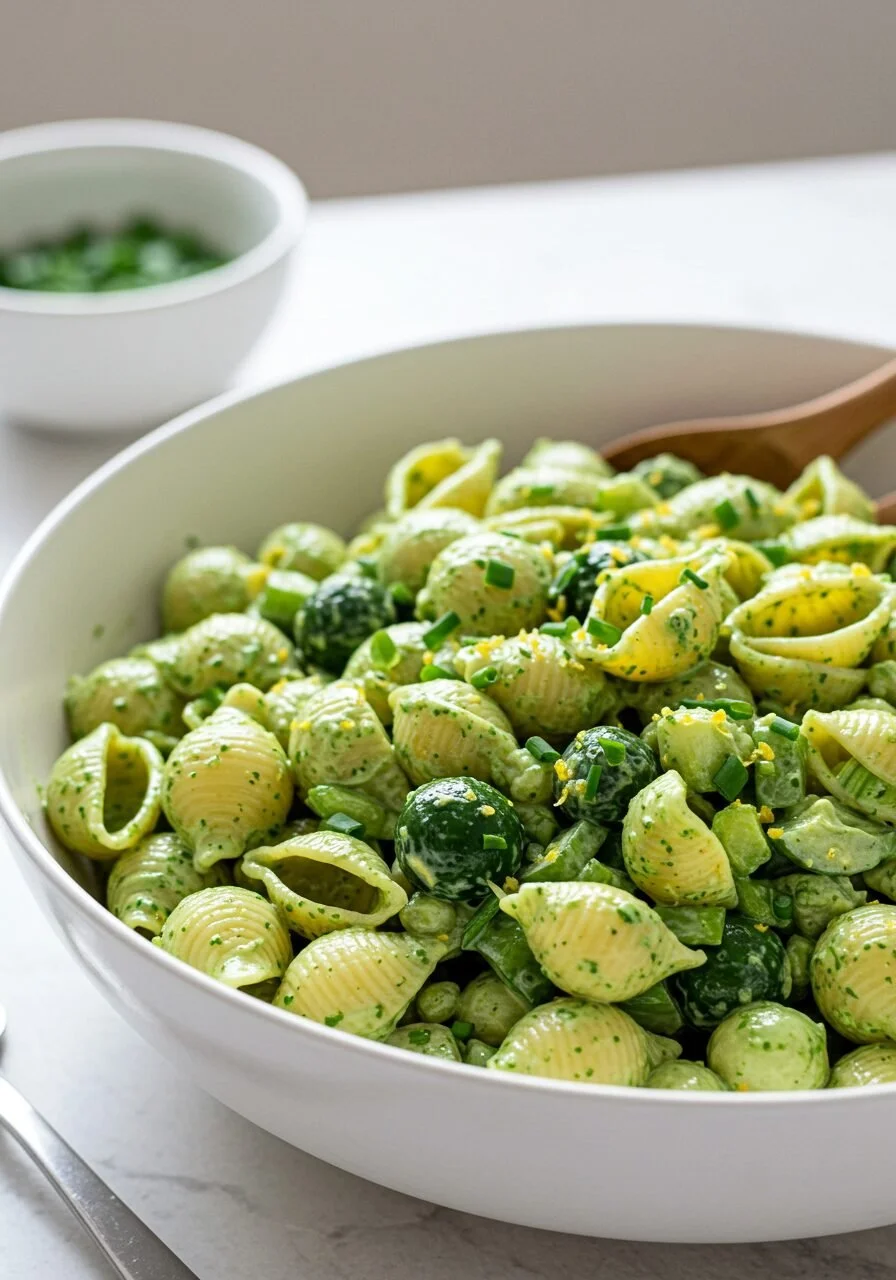
Green Goddess Pasta Salad
How I First Met Green Goddess Pasta Salad The first time I made Green Goddess Pasta Salad, it was a last-minute contribution to a neighborhood picnic and I only had ten minutes of prep time before running out the door. Somehow that frantic dash became a happy accident: everyone kept coming back for more. I…
How I First Met Green Goddess Pasta Salad
The first time I made Green Goddess Pasta Salad, it was a last-minute contribution to a neighborhood picnic and I only had ten minutes of prep time before running out the door. Somehow that frantic dash became a happy accident: everyone kept coming back for more. I think what hooked me—and everyone else—was the bright, almost grassy aroma of basil with lemon, the creaminess that comes from blending cashews, and the little pops of briny olive. If you want a starting point that inspired my version, I often glance at a classic green goddess inspiration when I need reassurance I’m on the right track.
If you want to picture everything before you start, imagine using 2 lemons for both zest and juice, 1 1/4 cups tightly packed basil leaves and 1 cup tightly packed baby spinach leaves, 1/2 cup olive oil, 2 cloves of garlic, 1/4 cup raw cashews (no need to soak them), and either 1/3 cup nutritional yeast or grated Parmesan cheese depending on whether you want it vegan or not. Seasoning is simple: 1 teaspoon salt and 1/2 teaspoon freshly ground black pepper in the dressing, plus 1 tablespoon of salt reserved for the pasta water. The pasta itself is 1 pound of dry medium pasta shells, and for the green bits I use 1 1/2 cups frozen peas and 12 spears of thin green asparagus trimmed and cut into 1/2-inch pieces. To add texture and a little anisey crunch, I core and very thinly slice 1 fennel bulb. For briny depth there are 6 ounces of drained, jarred pitted green olives. Finish with 3 tablespoons of finely chopped chives and 3 scallions thinly sliced, and don’t forget to reserve the lemon zest when you zest the lemons.
The Ingredient That Changes Everything
If I had to pick one ingredient that changes the whole dish, it would be the raw cashews. They give the dressing a silkiness that is buttery without any dairy, and since there is no need to soak them you save time. In a blender I combine the lemon juice with the olive oil, basil, spinach, garlic, cashews, the nutritional yeast or Parmesan, salt, and pepper and blend until smooth. Before you blend, zest the lemons and set the zest aside; that bright little strip of citrus adds a sparkle when you fold it into the salad at the end.
I sometimes substitute the nutritional yeast for grated Parmesan when I want that extra savory note, and I will add an extra clove of garlic if I know the crowd likes a bit more bite. The dressing should be glossy and pourable but not too thin. If it looks chalky, add a tablespoon or two of water or more olive oil and blend again.
Putting It Together in the Kitchen
I always start my water before I make the dressing; there is something comforting about a pot beginning to boil while the blender hums. Bring a large pot of water to a boil with 1 tablespoon of salt and add the pasta. Two minutes before the pasta is al dente, I add the frozen peas and asparagus so they finish cooking together; cook for the remaining 2 minutes. When the timing is right, drain the pasta and vegetables and rinse with cold water to stop cooking. This keeps the peas and asparagus crisp bright instead of mushy.
Then, in a large bowl I combine the cooled pasta, peas, and asparagus with the fennel, olives, chives, scallions, and reserved lemon zest. Add the dressing and toss until coated. Season to taste with more salt and pepper, then serve. The moment you toss everything together the smells open up: lemon, basil, and olive mingle in a way that makes the salad look and feel celebratory. If you are serving it at a picnic, I like to pop it into a chilled bowl just before guests arrive.
Small Tricks I Always Use
I have a handful of small tricks that reliably make this dish better. One is to zest the lemons before juicing them so you don’t lose that citrus oil. Another is to never overcook the asparagus; cutting it into 1/2-inch pieces and adding it to the pot two minutes before the end gives it a tender-crisp texture. A third trick is to rinse the pasta and vegetables with cold water immediately after draining to halt the cooking—this keeps everything green and gives the dressing a smooth surface to cling to.
If you plan to make this ahead, dress the salad just before serving to keep it lively. That said, the flavors do marry nicely, so if you must make it early, store the dressed salad in an airtight container in the refrigerator and plan to eat it within three days. Leftovers stay bright if you give them a quick toss and, if the dressing has thickened, a splash of water or olive oil to loosen it. I also find that using either frozen peas straight from the bag or thawed both work fine; if you dump them into the pasta pot two minutes before the end, they thaw and warm up perfectly.
It might be obvious, but taste as you go. The first time I made this I under-salted everything and learned the hard way that basil and lemon need a little extra seasoning to sing. If you worry about sodium, start with the amounts as written and adjust at the end.
Little Ways to Make It Your Own
I love how flexible this salad is. Sometimes I stir in chopped grilled chicken for a heartier meal, which makes it a full dinner rather than a side. Another favorite variation is swapping in toasted pine nuts or sunflower seeds for the cashews if someone in the group has a nut allergy. If I want a creamier, richer outcome I reach for the Parmesan instead of nutritional yeast. You can also make a lemonier version by adding more zest or a splash more lemon juice.
If you like things spicy, a pinch of crushed red pepper or a drizzle of chili oil brightens the green flavors in an unexpected way. For a Mediterranean twist, use a mix of green and kalamata olives and add some halved cherry tomatoes for color. If you want to try a dip spin, I sometimes pull elements from a green goddess chicken salad dip recipe for party platters.
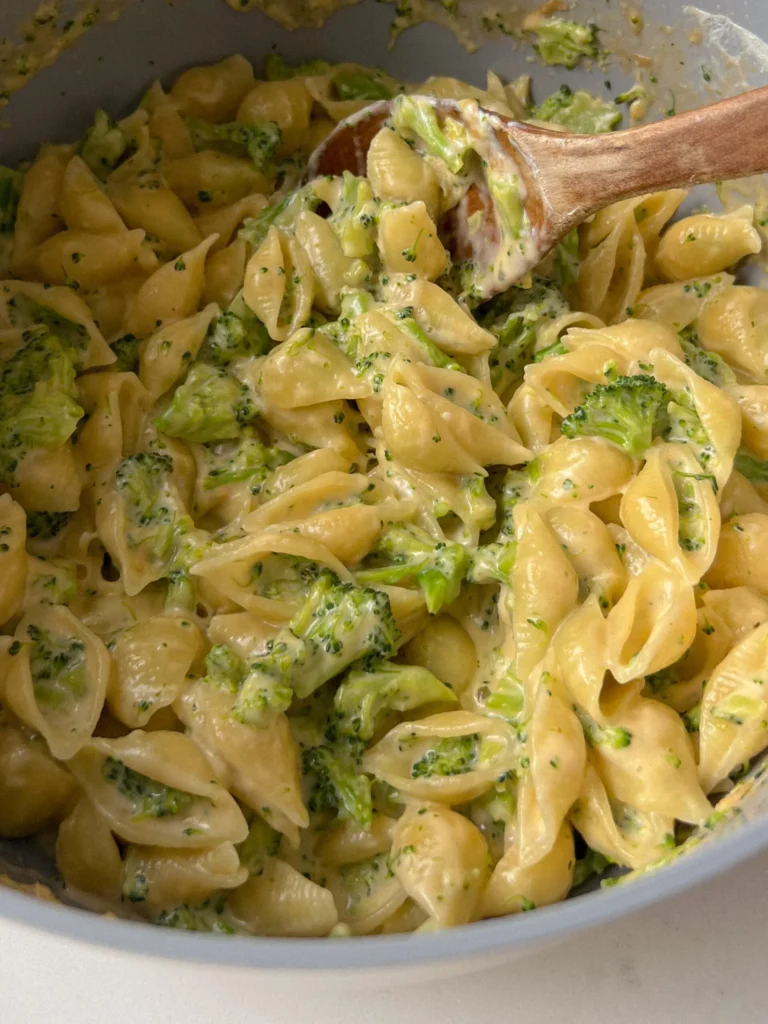
How will you know it’s done right? The pasta should be al dente with peas tender but not falling apart, the asparagus bright green and barely soft, and the dressing glossy, coating each shell without pooling at the bottom. When you take a bite you should get creamy, herbaceous, a hint of lemon, and a briny counterpoint from the olives.
Conclusion
If you want a reference to compare techniques or just some extra inspiration, I like to look at Creamy Green Goddess Pasta Salad | foodiecrush for pretty plating ideas and variations. This salad became one of my favorites because it is fast, forgiving, and strangely elegant for something that starts in a blender and ends in a picnic bowl. Make it for a weeknight, bring it to a potluck, or double it for a party. Each time I make it it feels like a little celebration of green things and good company.