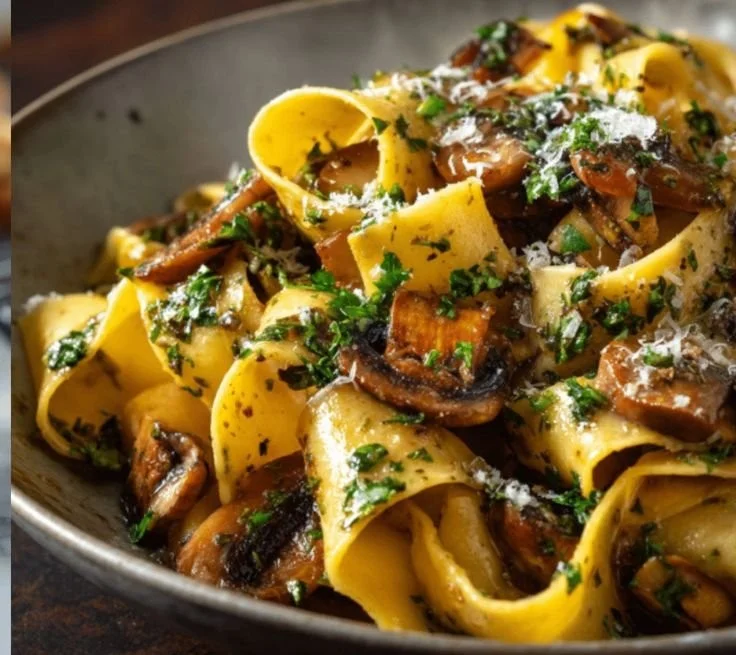
Healing Ginger Garlic Broth with Rice Noodles for Cozy Comfort
The First Time I Made This I still remember the winter evening I first tried to coax something gentle and healing out of my tiny kitchen: the smell of grated ginger filling the air, the soft sizzle of minced garlic hitting a hot pan. That night I was craving warmth without heaviness, and what came…
The First Time I Made This
I still remember the winter evening I first tried to coax something gentle and healing out of my tiny kitchen: the smell of grated ginger filling the air, the soft sizzle of minced garlic hitting a hot pan. That night I was craving warmth without heaviness, and what came together became my go-to comfort bowl — Healing Ginger Garlic Broth with Rice Noodles for Cozy Comfort. If you like bowls that feel like a hug but wake up your senses, this is for you. While I was sipping this the first time, I made a mental note to pair it with something sweet for afterward, like that cinnamon crumb banana bread recipe I love reading about and sometimes bake on lazy Sundays (cinnamon crumb banana bread).
The Secret Behind the Broth
A few ingredients change everything. For this broth I usually start with 1 tablespoon oil (optional for richness) if I want the base to feel silky, then toss in 1 medium onion (diced for sweetness) and sauté until translucent. I add 4 cloves garlic cloves (minced) and 1 inch fresh ginger root (grated for warmth and spice), letting them bloom until the kitchen smells tangy and alive. To build depth I like 2 leaves bay leaves (for aromatic depth) and 2 stalks celery (finely chopped) — celery adds that subtle savory note without making it heavy. Then I stir in 1 teaspoon turmeric powder (for color and health benefits) and 1/8 teaspoon ground black pepper (to elevate flavors). The real heart of the pot is 4 cups low-sodium vegetable broth (for a flavorful base); pour it in, bring it to a simmer, and you can already tell this will be restorative.
Cooking It Slowly (and What I Do Step-by-Step)
When I talk about cooking this slowly, I mean paying attention to small signals. After the aromatics have softened, I throw in 8 ounces mushrooms (quartered) to give the broth body and umami. A personal tip: let the mushrooms brown a little before adding liquid — it makes the broth sweeter and richer. Add the 4 cups of broth, tuck in the 2 leaves bay leaves, and let everything simmer gently for about 10 minutes so flavors marry. Then I add 2 cups baby bok choy (halved or chopped) because it cooks fast and keeps a nice bite; if you prefer softer greens, chop them finer and simmer another few minutes. Drop in 1 cup thin rice noodles (offers chewy texture) right at the end — they take just a couple of minutes to soften, and I watch them closely so they don’t turn mushy. Finish with 1 handful fresh cilantro (chopped for freshness) and 1 tablespoon fresh lime or lemon juice (to brighten the broth). Season with to taste salt (to balance flavors) and to taste red chili flakes or chili garlic sauce (for heat). If you like a hint of richness, drizzle the optional tablespoon oil on top as you serve.
As you cook, listen and look. The gentle simmer should make a low whispering sound; if it roars, lower the heat. The broth is ready when the noodles are tender but still hold a slight chew, the bok choy looks vivid and wilted, and the mushrooms are soft. I usually remove the bay leaves before serving, unless I’m feeling nostalgic and leave one in for the photo.
A Few Things I’ve Learned
One of my early mistakes was overcooking the rice noodles. They can go from perfect to gummy in just a minute, so I cook them directly in the simmering broth and taste after 90 seconds. Another trick: if you want extra body without adding meat, sautéing the mushrooms until they release and reabsorb their juices helps. I also sometimes add a splash of soy sauce or tamari for depth, but go easy because the broth is intentionally light. If I’m making this on a busy night, I prep the aromatics and chop the vegetables in advance; the whole pot comes together in under 20 minutes once you start cooking.
How to Tell It’s Done and What to Serve With
You will know it is done when the broth smells bright and layered with garlic and ginger, when the noodles are tender but not falling apart, and when the bok choy is wilted to a vibrant green. The flavors should be balanced: a little warmth from the ginger, savory umami from the mushrooms, and brightness from the lime. I like to serve this with something crunchy on the side, like toasted sesame bread or a simple cucumber salad to contrast the soup’s warmth. It also pairs wonderfully with creamy sides; once I served it alongside a cheesy rice dish and they were perfect companions (creamy cheesy rice), the silky textures played off each other nicely.
Making It Yours: Variations and Storage
This recipe is forgiving, so you can make small swaps to suit what’s in your fridge. If you want protein, add shredded rotisserie chicken or poached tofu; if you like more greens, stir in baby spinach toward the end. Another variation is to use thin soba noodles instead of rice noodles for a nutty twist, or add a soft-boiled egg for richness. For a spicier version, increase the red chili flakes or swirl in chili garlic sauce to taste.
If you have leftovers, let the broth cool slightly and store it in an airtight container in the fridge for up to three days. A practical tip: keep noodles separate if you can, because they absorb broth and get soggy; if that’s not possible, reheat gently and add a splash of hot water or extra broth when reheating to revive the texture. I often make a double batch and freeze the broth (without noodles or bok choy) in portions, then drop in fresh noodles and greens when I reheat — it’s a lifesaver on rushed days. When reheating, do it slowly on the stove so the ginger and garlic don’t become harsh.
The Best Part About This Dish
Beyond the comfort, my favorite thing is how this bowl reminds me of simple human kindness — like the nights my neighbor brought over soup when I had a bad cold, or winter mornings when a warm bowl chased the fog away. It’s quick, forgiving, and somehow always feels like you did something medicinal for yourself. The textures shift just enough: chewy noodles, tender mushrooms, crisp bok choy, and the bright pop of cilantro and lime.
Conclusion
If you want to explore similar healing soups with a heart-and-soul approach, I think you’ll enjoy the way others blend ginger and rice for soothing bowls, like the version at Ambitious Kitchen’s healing ginger chicken soup. And for another comforting one-pot approach that leans into simplicity and nourishment, there’s inspiration in Kalejunkie’s healing one pot chicken orzo soup.

Healing Ginger Garlic Broth with Rice Noodles
Ingredients
Method
- Heat the oil in a pot over medium heat. Add the diced onion and sauté until translucent.
- Stir in minced garlic and grated ginger, cooking until fragrant.
- Add chopped celery and turmeric powder, followed by ground black pepper. Stir to combine.
- Pour in the vegetable broth and bring to a simmer.
- Add the quartered mushrooms to the pot and allow them to brown slightly before adding more liquid.
- After browning the mushrooms, return the vegetable broth to the pot and add bay leaves.
- Let the broth simmer for about 10 minutes.
- Stir in the baby bok choy and cook until just tender.
- Add rice noodles and cook for an additional 2 minutes, monitoring closely to prevent overcooking.
- Finish with cilantro and lime juice, seasoning with salt and chili as desired.