High Protein, No Sugar Monkey Bread
The first time I tried turning Greek yogurt into something pull-apart and snackable, I didn’t expect it to look anything like monkey bread — and yet I ended up here. For a point of reference, I followed a few ideas from a high-protein monkey bread inspiration while experimenting with different protein powders and Greek yogurt…
The first time I tried turning Greek yogurt into something pull-apart and snackable, I didn’t expect it to look anything like monkey bread — and yet I ended up here. For a point of reference, I followed a few ideas from a high-protein monkey bread inspiration while experimenting with different protein powders and Greek yogurt ratios.
Why this version? I wanted something that kept the familiar sticky-cinnamon vibe but used no sugar and relied on dairy protein for structure. It’s dense but soft, a little chewy on the edges, and holds together because the yogurt and protein powders act like a binder more than a traditional yeast dough ever would.
Hands-on notes before you mix:
- I used about one and a half cups of all-purpose flour (roughly 180 grams) combined with two half-cup scoops of protein powder — one flavored (vanilla, whey-casein) and one unflavored — to give body and some bounce.
- For lift I added two teaspoons of baking powder and a quarter teaspoon of baking soda.
- The wet base was two cups of non-fat Greek yogurt (around 450 g) with a couple of tablespoons of almond milk to loosen things up.
- To recreate the sweet coating without sugar I mixed three tablespoons of a zero-calorie 1:1 sweetener with about one and a half teaspoons of cinnamon; if you like nuts, two tablespoons of chopped pecans can be folded in or tossed on top.
Shaping and bake approach (this is how I do it): I scoop small walnut-sized portions, roll them quickly in the cinnamon-sweetener, and layer them into a buttered bundt or small loaf tin. A light spray or brush of oil on the pan keeps the pieces from sticking and helps brown the exterior. The oven gets to a moderate temperature so the yogurt doesn’t separate; the goal is even set and golden edges rather than a hard crust.
I usually mix dry and wet separately — the flour, protein powders and leaveners whisked together first; the yogurt, almond milk, and a spoonful of the sweetener beaten until smooth afterward. Then I fold the wet into the dry, watching for a dough that holds together but isn’t gummy. If it feels too sticky I dust a bit more flour; if it’s too stiff I add a teaspoon more almond milk at a time. Once assembled in the pan, a quick sprinkle of any remaining cinnamon sugar on top gives the appearance of that classic monkey-bread sheen.
Baking timing varies with pan size. In a bundt this takes roughly 25–35 minutes; a small loaf pan might need less time. I test doneness with a skewer — it should come out mostly clean and the top should be lightly browned. Let it rest ten minutes before turning out; warm pull-apart pieces are easier to separate and make less of a mess.
A few small tricks I learned:
- Chilling the dough slightly makes rolling balls easier.
- If you want a glossier finish, warm a tablespoon of sugar-free syrup and brush it on right after baking.
- Add-ins: pecans folded into the dough give crunch, or sprinkle them between layers. The texture changes depending on whether you use full-fat or non-fat yogurt; I prefer the non-fat here because it keeps the loaf lighter while still being satisfying.
I’ve been known to serve this warm with coffee, and on casual mornings I think of it more like a protein-rich treat than dessert. The pull-apart form makes portion control easier than slicing a cake.
A note on pairing and technique: the dense, savory-sweet balance pairs well with roasted meats or a tangy yogurt dip, similar in spirit to simple breads that emphasize texture over crumb; in fact, the approach reminds me a little of working with a no-knead crust in other savory bakes, and it can accompany bold mains without clashing with them. For a cross-reference on rustic, hands-on bread methods I’ve often returned to the technique I used for a crusty no-knead panini bread. If you prefer serving this beside a sweet-salty main, think of recipes like a glazed chicken to contrast the cinnamon notes — I often imagine it next to a caramelized meat dish such as brown sugar chicken thighs for an indulgent plate.
If you want to scale: this formula doubles fairly cleanly, but be mindful of baking time and the depth of your pan. Also, if you want gluten-free, swapping a direct 1:1 gluten-free flour may require additional binder (an extra egg or a tablespoon of psyllium) because the protein powders don’t substitute for gluten’s structure.
Conclusion
For a close read on a similar concept from another creator I found the write-up on Hayl’s Kitchen helpful for ideas around texture and proportion: High Protein, No Sugar Monkey Bread – A Real Dream | Hayl’s Kitchen. If you want a low-carb, gluten-free perspective that swaps some ingredients and still keeps the pull-apart feel, Desserts with Benefits discusses those alternatives well: Healthy Low Carb and Gluten Free Monkey Bread. For an approach that emphasizes Greek yogurt in the batter with a slightly different technique, Wholesome Crumbs offers useful variations: Healthier Greek Yogurt Monkey Bread – • Wholesome Crumbs.
One limitation I noticed while prepping: the texture is sensitive to the yogurt-to-flour ratio — too much yogurt gives a gummy center, too little makes a dry pull-apart — so expect a tiny amount of trial and error to get your preferred crumb.
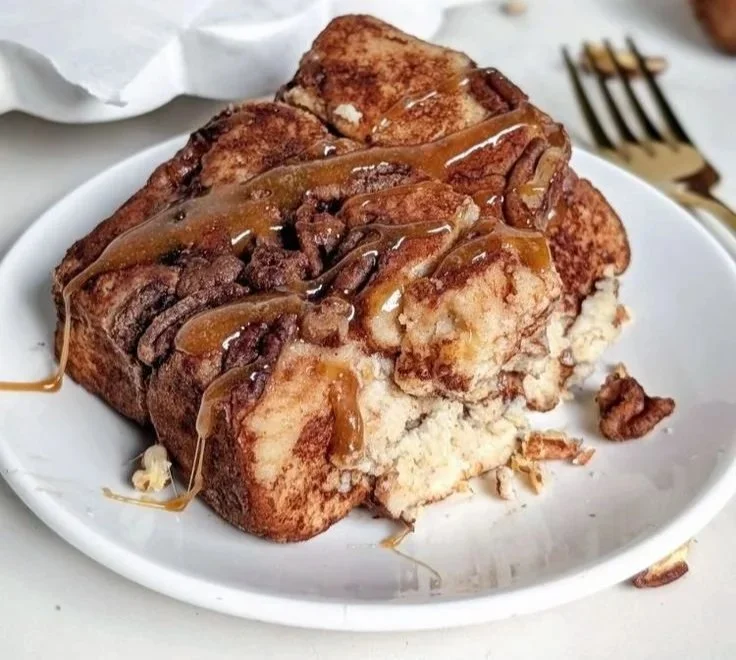
High-Protein Greek Yogurt Monkey Bread
Ingredients
Method
- Preheat the oven to a moderate temperature and grease a bundt or small loaf tin.
- In a bowl, whisk together the flour, flavored protein powder, unflavored protein powder, baking powder, and baking soda.
- In another bowl, beat the Greek yogurt, almond milk, and a spoonful of the zero-calorie sweetener until smooth.
- Fold the wet ingredients into the dry, adjusting with flour or almond milk until the dough holds together but is not gummy.
- Scoop small walnut-sized portions of the dough and roll them in the cinnamon-sweetener mixture.
- Layer the rolled pieces into the prepared pan, spritz or brush with oil to prevent sticking and promote browning.
- Sprinkle any remaining cinnamon sugar on top.
- Bake for 25–35 minutes, testing with a skewer until it comes out mostly clean.
- Let the bread rest for 10 minutes before turning it out to cool slightly.