Homemade Amish White Bread
I have a memory of the first time I pulled a warm loaf of Homemade Amish White Bread from the oven that still felt like home. It was late afternoon, the kitchen smelled like toasted sugar and yeast, and my kid pressed their face against the oven door as if the golden crust were a…
I have a memory of the first time I pulled a warm loaf of Homemade Amish White Bread from the oven that still felt like home. It was late afternoon, the kitchen smelled like toasted sugar and yeast, and my kid pressed their face against the oven door as if the golden crust were a portal to something magical. That loaf was simple: 4 cups of all-purpose flour, a packet of active dry yeast (2 1/4 teaspoons), 1 1/2 cups of warm water, 1/4 cup of granulated sugar, 1/4 cup of vegetable oil, and 1 teaspoon of salt. Nothing fancy, just comforting, forgiving ingredients that turn into something better than the sum of their parts. If you want to compare variations I played with later, I noted down a few and even tried a slightly different technique inspired by another baker I follow on a site for Amish-style loaves that recipe.
How I Discovered This Recipe
I didn’t grow up Amish, but someone at the church potluck once brought a loaf that people kept tearing into with their hands, steam still rising. The crumb was pillowy, the crust soft but with a little chew. I asked for the recipe, adapted some timings to my oven, and over the years I hammered out the method until it reliably produced that same soft, sandwich-ready texture. The process starts simply: dissolve the sugar in warm water and add the yeast, giving it five minutes or so until it blooms into froth. I remember one angry Saturday when the yeast refused to foam because the water was too hot. That taught me to test the warmth by dipping a finger; it should feel like a warm bath, not hot enough to make you jump.
The Secret Behind Perfect Homemade Amish White Bread
What I think makes this loaf feel special is the combination of gentle fat and a slow, patient rise. After the yeast has frothed, I stir in the oil and the salt, then gradually add the flour while mixing until a dough forms. A little patience here pays off: don’t overload the bowl with flour all at once. Once the dough is cohesive, I knead it on a floured surface for about ten minutes until it becomes smooth and elastic. Kneading builds the gluten that gives the bread its structure and chew. A tip I always pass along is to keep your hands and the surface lightly floured so the dough does not pick up too much extra flour and become dry.
Getting the Texture Just Right
Once kneaded, I place the dough in a greased bowl, cover it, and tuck it into a warm corner of the kitchen to rise. Let it rise in a warm place until it doubles in size, which for me usually takes between one and one and a half hours. The first rise is like watching the loaf learn how to be bread. When it has puffed and smells slightly yeasty and sweet, I punch it down, shape it into a loaf, and place it in a greased loaf pan. Then I cover it and let it rise again until it doubles, around thirty to forty-five minutes.
This is the point I rarely rush. Preheat the oven to 350°F (175°C) while the loaf has its second rise so the oven is ready. Pop the loaf in and bake for thirty to thirty-five minutes until the top is a deep golden brown and it sounds hollow when tapped. If you tap the bottom and it gives a slightly hollow ring, that is the moment of truth. Let it cool on a wire rack before slicing; if you try to cut into it while it is still very warm, the crumb will compress and become gummy. I know it is tempting to slice right away, but cooling makes a big difference in texture.
A Few Things I’ve Learned
One small trick I swear by is to brush a little water on the top right before it goes into the oven to encourage a softer crust that browns beautifully. Another trick is to use a slightly larger bowl for the first rise so the dough does not spill over; I once came home to dough escaping like a little pastry volcano. If your kitchen is chilly, you can preheat your oven for a minute, turn it off, and sit the bowl inside with the light on; that gentle warmth speeds the rise without stressing the yeast.
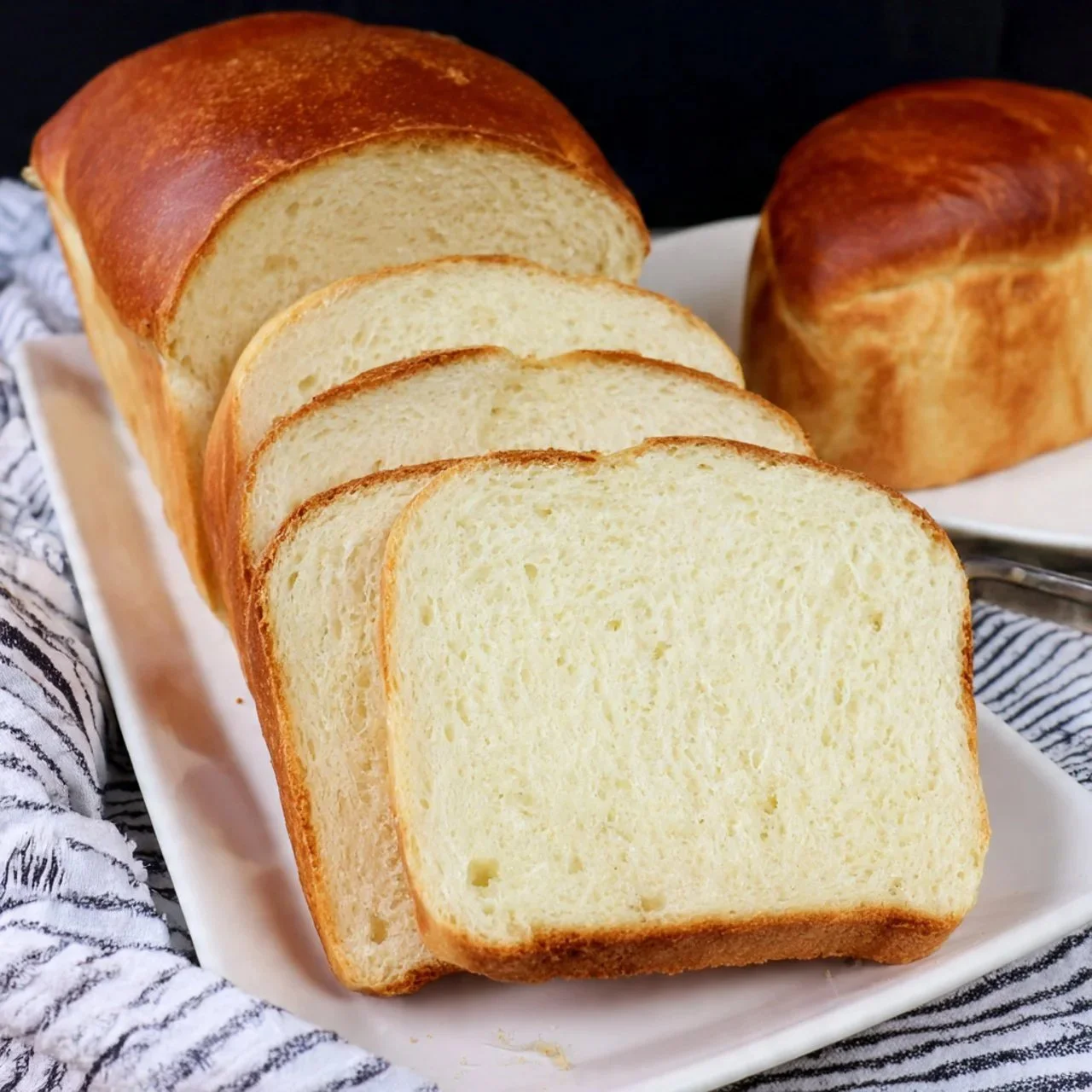
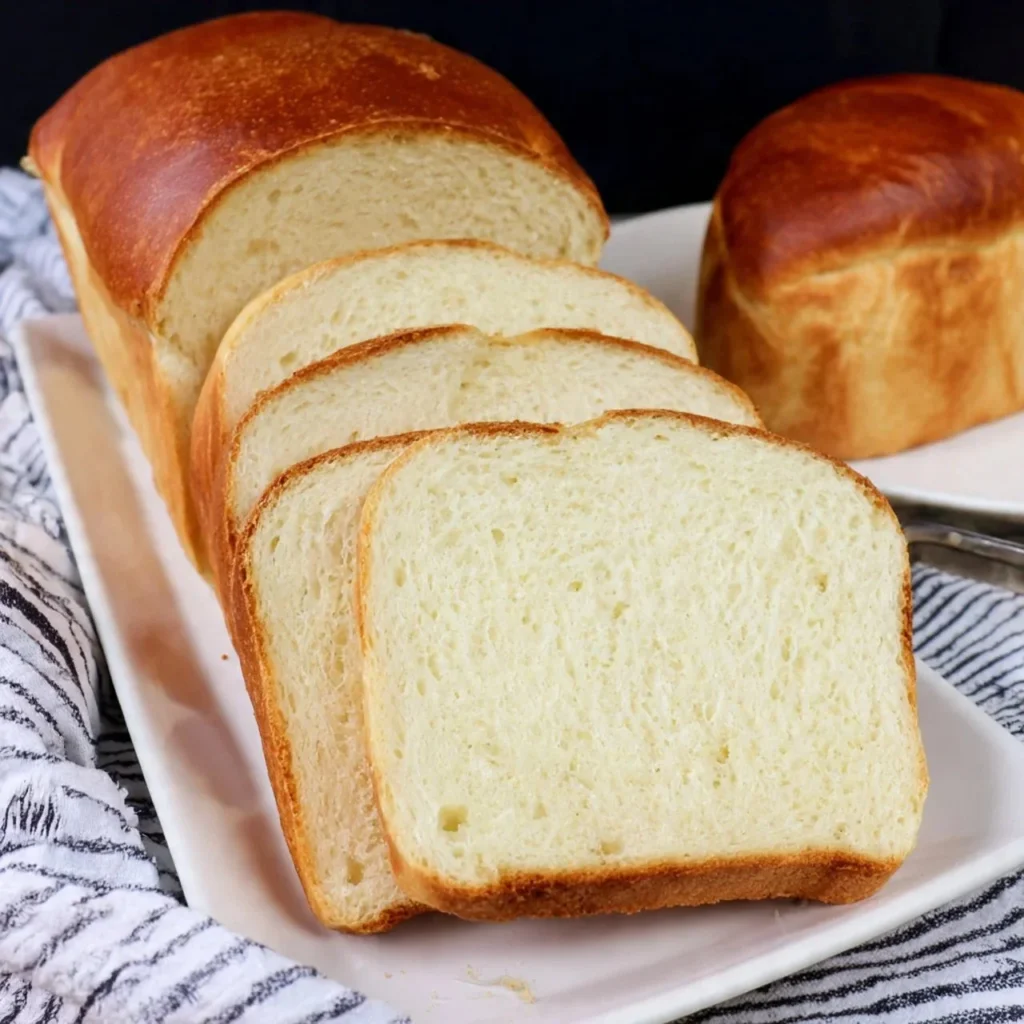
My favorite way to know this bread is done is by sight and sound. The color should be warm, golden brown, the top slightly darker than the sides, and when you tap it there should be a clear hollow sound. The aroma is a clue too: that nutty, slightly sweet smell is unmistakable and comforting.
What to Serve It With and a Few Variations
This bread is endlessly useful. I slice it thick for grilled cheese, toast it and slather it with butter and jam, or use it for simple sandwiches. It loves soup and chili and is excellent for French toast because the crumb soaks up custard without falling apart. If you want to switch things up, try a couple of small variations: replace half the water with milk for a richer, more tender crumb; swap the granulated sugar for two tablespoons of honey for a slightly different sweetness; or fold in a tablespoon of poppy or sesame seeds to the top before the second rise. If you enjoy laminated, buttery breads, once I tried making a croissant-style adaptation and it reminded me of something like a soft roll; if you are curious about more decadent yeast projects, I experimented with a cross between this loaf and laminated bread and logged it here as a fun experiment.
When Things Don’t Go As Planned
Sometimes the rise is stubborn or the crumb turns too dense. That usually means the yeast was tired or the water was off temperature. Always check your yeast by seeing if it foams in the warm sugar water. If your loaf flattens after the second rise, try using a touch more flour in the dough next time or allow a slightly shorter second rise; overproofing weakens the structure. If you want a sweeter variant or a bread with mix-ins, remember that additions like raisins or nuts will require a bit more kneading and perhaps a slightly longer bake.
How to Store Leftovers
If you plan on keeping the loaf for a couple of days, let it cool fully, then wrap it tightly in plastic or place it in an airtight container at room temperature. It will stay soft for two to three days. For longer storage, slice and freeze portions in freezer bags; toast slices straight from frozen or let them thaw on the counter. I often make two loaves so one can be sliced and frozen for rushed school mornings.
The Best Part About This Dish
I love this recipe because it is forgiving, smells like comfort, and makes people linger at the table. There is something profoundly simple about combining 1 1/2 cups of warm water with 1/4 cup of sugar, dissolving them and adding yeast until frothy, then following through with 1/4 cup of vegetable oil, 1 teaspoon of salt, and 4 cups of all-purpose flour to build a loaf that comforts and feeds. For a little inspiration on what to serve alongside bread at a bake sale, I once paired slices with spiced cookies and people were pleasantly surprised; I later adapted a cookie idea into a collaborative recipe which I linked to when I experimented with pairing baked goods for a holiday table that pairing.
Final Thoughts
Make this loaf when you want something humble and satisfying. It is great for busy weeknights because the hands-on time is manageable, and it rewards patience with a soft, tender crumb and a golden crust. Whether you keep it simple or follow one of the small variations above, the aroma and warmth it brings to a kitchen is worth every minute of waiting.
Conclusion
If you’d like to compare this take with another classic version, the Amish White Bread Recipe on Allrecipes is a nice traditional reference. For a visual step-by-step and a beginner-friendly video to follow along, this Soft Amish White Bread video from Feast and Farm is a helpful companion.
Amish White Bread
Ingredients
Method
- Dissolve the sugar in warm water and sprinkle the yeast on top. Let it sit for about 5 minutes until frothy.
- Stir in the vegetable oil and salt.
- Gradually add the flour while mixing until a dough forms.
- Knead the dough on a floured surface for about 10 minutes until smooth and elastic.
- Place the dough in a greased bowl, cover, and let it rise in a warm spot until it doubles in size, about 1 to 1.5 hours.
- Punch down the dough and shape it into a loaf. Place it in a greased loaf pan.
- Cover and let it rise again until it doubles, approximately 30 to 45 minutes.
- Preheat the oven to 350°F (175°C).
- Once the second rise is complete, bake the loaf for 30 to 35 minutes until deep golden brown and sounding hollow when tapped.
- Let the bread cool on a wire rack before slicing to prevent the crumb from becoming gummy.