Homemade English Muffins
I remember the first time I tried to make English muffins at home: my kitchen filled with the soft, yeasty smell of rising dough while rain tapped on the window. I had half an idea and a stubborn experimental streak. By the time the skillet arrived at the right temperature, the house felt like a…
I remember the first time I tried to make English muffins at home: my kitchen filled with the soft, yeasty smell of rising dough while rain tapped on the window. I had half an idea and a stubborn experimental streak. By the time the skillet arrived at the right temperature, the house felt like a bakery and the first split muffin, toasted and smeared with butter, convinced me I had unlocked something simple and addictive. That memory is why I keep coming back to this recipe — it’s forgiving, versatile, and teaches you more than one trick about dough.
If you like comparing methods before you dive in, take a look at this best homemade English muffins guide while you read. Below is my slightly curious, intentionally hands-on version, with the ingredients, the exact method I follow, and the little experiments that make these muffins interesting.
Ingredients
- 1 ¼ cups warm milk ((not hot))
- 3 tablespoons melted butter
- 1 large egg
- 2 tablespoons sugar
- 2 1/4 teaspoons instant yeast
- 1 teaspoon salt
- 3 cups all-purpose flour ((spooned and levelled))
- 1/4 cup cornmeal ((for sprinkling))
A short discovery: I used to think all English muffins were the same — flat, dimpled, a little cardboard-like when not toasted. Once I learned how to control fermentation, thickness, and skillet heat, they became a playground. The ingredients above are deliberately modest: milk and butter for tenderness and flavor, egg for structure and color, sugar to feed the yeast and help browning, and plenty of flour to give chew. Cornmeal is not decoration here; it prevents sticking and gives that classic grit underfoot.
The exact method I use (read through once before starting)
In a stand mixer bowl, mix together the milk, butter, egg, sugar, yeast, and salt. Mix in the flour with the dough hook on medium speed for 7-8 minutes until the dough is smooth and elastic. It should be somewhat tacky, but not overly sticky. If it’s too sticky, add up to 1 tablespoon of extra flour. Cover the bowl and let the dough rise in a warm place for 60-90 minutes or until doubled in size. Sprinkle cornmeal on a large parchment-lined baking sheet. Punch down the dough, then onto a generously floured surface. Roll to a ¾-inch thick rectangle. Cut into 2 ½-inch circles and transfer to the prepared baking sheet. Sprinkle the tops with cornmeal. Cover and let rise for another 30 minutes or until noticeably puffed. Heat a large skillet over medium-low heat. Lightly grease with butter, then add 3-4 pieces of dough with some space between each one. Cover and cook for 7-8 minutes on each side until golden brown. If the bottoms get too brown, reduce to low heat.
The first rise that surprised me
After mixing the dough until smooth and elastic, let it sit covered in a warm spot for 60-90 minutes until doubled. This is where flavor develops. I once skipped to the next step too soon and ended up with muffins that tasted bland. The longer rise (within that window) gives subtle tang and better texture. If your kitchen is cool, sit the bowl near a warm oven (turned off) or over a bowl of warm water.
Rolling, cutting, and the cornmeal moment
Once risen, punch down and roll the dough to about ¾-inch thick. Cut 2 ½-inch circles — I use a biscuit cutter or the rim of a glass. Generously dust a parchment-lined sheet with 1/4 cup cornmeal before placing the rounds; sprinkle the tops too. That grit is not just for looks. It keeps them from bonding to the paper and gives the toasted underside a satisfying bite. Let them puff for another 30 minutes so you get a light, open interior.
The skillet tempo
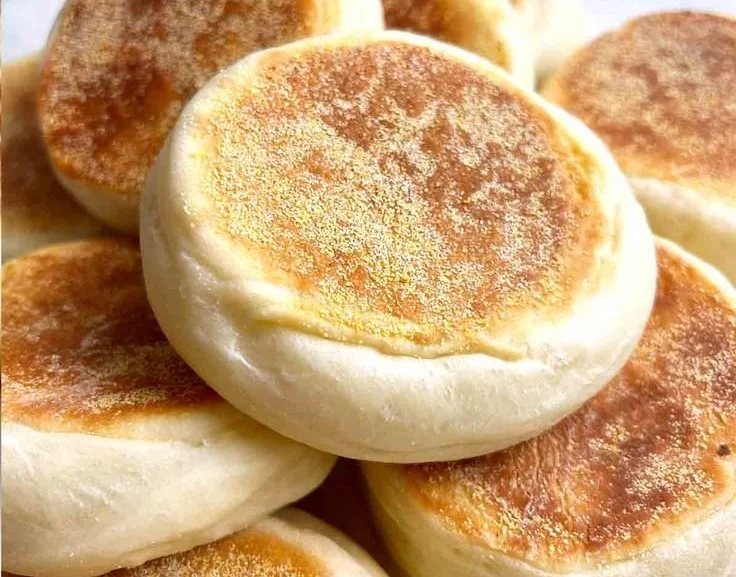
A cast-iron or heavy skillet is forgiving here. Heat it over medium-low, butter lightly, and cook 3-4 pieces with space between them. Covering the skillet traps steam and helps the muffins rise and cook through; cook about 7-8 minutes per side until golden brown. Watch the bottoms — if they brown too fast, drop the heat. You want a deep gold, not blackened. Serve them warm, split and toasted, with anything from salted butter and jam to eggs Benedict or a thick slice of heirloom tomato and basil.
How to know when the muffin is done right
- The exterior should be a warm golden brown, not burnt.
- Split one: the interior should show airy pockets and a slight chew; if it’s gummy or dense, you likely needed a longer skillet time or a slightly thinner roll so heat penetrated.
- It should spring back slightly when pressed and not feel doughy.
Three swaps I actually like
- Whole milk swap: use milk as stated for tenderness, but try 2% for a slightly firmer crumb.
- Butter alternatives: substitute melted olive oil for a savory note, but start with 2 1/2 tablespoons and taste the dough.
- Gluten-free route: if you need gluten-free options, explore recipes tailored to that approach, like this gluten-free English muffins. Note that texture and method will differ.
Practical tips from the lab bench (3-5 quick tips)
- Temperature matters: warm milk (not hot) wakes the yeast without killing it.
- Dough texture check: the dough should be tacky but not sticky; add up to 1 tablespoon more flour only if necessary.
- Skillet control: a lid matters. It creates steam that helps the muffin rise and cook through.
- Browning fix: if one side is browning too fast, move the pan off direct heat for a minute to let internal heat catch up.
- Make ahead: freeze baked English muffins, then toast straight from frozen for a quick breakfast.
Serving and pairing
These muffins excel with simple toppings: salted butter and preserves, honey, cream cheese and smoked salmon, or as the foundation for breakfast sandwiches with fried egg and avocado. For something indulgent, load them with sausage gravy. They also make unexpectedly good little pizzas when split and toasted.
Storage and leftovers
Let muffins cool completely before storing to avoid sogginess. Keep at room temperature in a paper bag for 2 days, or in an airtight container in the fridge for up to 5 days. For longer storage, freeze in a sealed bag for up to 3 months. To reheat, split and toast directly from frozen, or warm in a 350 F oven for 8-10 minutes.
A personal touch
I like to experiment with a little semolina folded into 1/2 cup of the flour for extra tooth, or to roll the rounds slightly thicker and bake one tray in the oven for a chewier, less browned version. The small experiments teach you what you prefer: craggy nooks for jam, or chewy insides for sandwiches.
Conclusion
If you want more techniques and visual guides, see Preppy Kitchen’s English Muffins for a step-by-step tutorial that complements this method. For another homey take on these split delights, the Hostess At Heart homemade English muffin recipe offers useful comparisons. And if you are curious about a no-knead approach that saves hands-on time, check the Bigger Bolder Baking no-knead version for an intriguing alternative.
Homemade English Muffins
Ingredients
Method
- In a stand mixer bowl, mix together the warm milk, melted butter, egg, sugar, yeast, and salt.
- Mix in the flour with the dough hook on medium speed for 7-8 minutes until the dough is smooth and elastic.
- Cover the bowl and let the dough rise in a warm place for 60-90 minutes or until doubled in size.
- Sprinkle cornmeal on a large parchment-lined baking sheet.
- Punch down the dough and then roll it to a ¾-inch thick rectangle.
- Cut into 2 ½-inch circles and transfer to the prepared baking sheet.
- Sprinkle the tops with cornmeal and cover; let rise for another 30 minutes or until noticeably puffed.
- Heat a large skillet over medium-low heat and lightly grease with butter.
- Add 3-4 pieces of dough with some space between each one.
- Cover and cook for 7-8 minutes on each side until golden brown.
- If the bottoms get too brown, reduce to low heat.