Irresistible Thai Basil Beef Rolls for Fresh Flavor Lovers
Irresistible Thai Basil Beef Rolls for Fresh Flavor Lovers I still remember the first time I rolled one of these up: basil aroma thick in the kitchen, rice paper whispering as it softened, and a little sizzle from the pan as the ground beef browned. If you like fresh, bright flavors paired with something comforting…
Irresistible Thai Basil Beef Rolls for Fresh Flavor Lovers
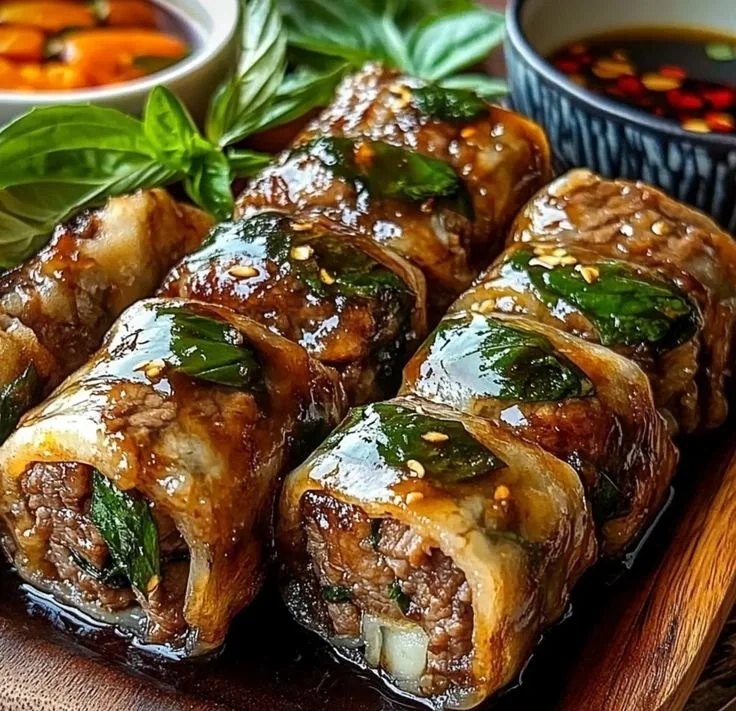
I still remember the first time I rolled one of these up: basil aroma thick in the kitchen, rice paper whispering as it softened, and a little sizzle from the pan as the ground beef browned. If you like fresh, bright flavors paired with something comforting and meaty, these Irresistible Thai Basil Beef Rolls for Fresh Flavor Lovers will quickly become one of your go-tos. I first stumbled on a version of this idea while reading an online post about fresh rolls, and it nudged me toward creating my own riff—if you want to compare notes, there’s a lovely version titled Fresh Thai Basil Beef Rolls that inspired me early on.
The Ingredient That Changes Everything
For me, this recipe really lives or dies by that hit of fresh basil. I usually use a full cup of Fresh Basil Leaves (the aromatic star that elevates the flavor.), and when you tear them into the warm beef mixture the scent changes everything. The rest of what I keep on hand is simple and forgiving: 500 g Lean Ground Beef (a rich protein base full of flavor.), 3 tbsp Soy Sauce (adds a savory, salty depth to the beef.), and 2 tbsp Hoisin Sauce (balances the flavors with a touch of sweetness.). To add crunch and color I toss in 1 cup Shredded Carrots (brings crunch and vibrant color to each roll.) and 1 cup Chopped Bell Peppers (adds freshness and a hint of sweetness.). Then there are 10 sheets Rice Paper Wrappers (delicate and perfect for holding all the goodness inside.) that make the whole thing feel light and bright, even though it is satisfyingly filling.
Building the Rolls
Preparation Steps for me begin at the stove. I brown the lean ground beef in a medium-hot skillet, breaking it up as it cooks so it gets those little browned bits that add texture and flavor. As the beef starts to lose its pink, I splash in the soy sauce and hoisin sauce, stirring until the liquid reduces slightly and clings to the meat. Then I stir in the shredded carrots and chopped bell peppers so they become warm but still keep a little raw crispness. Finally, I fold in the fresh basil leaves and immediately take the pan off the heat so the basil wilts gently without turning limp.
While the filling cools for a few minutes I set up an assembly station. A wide, shallow dish of warm water is perfect for softening the rice paper wrappers; I dunk each sheet briefly until it bends without tearing and lay it onto a clean tea towel. Spoon a small handful of the beef mixture onto the lower third of the wrapper, leaving room at the sides. Fold the bottom up over the filling, tuck in the sides, and roll snugly to finish. If a wrapper tears, it is not the end of the world; patch it with another softened sheet or simply start a new one. I usually get three to four rolls out of a generous portion of filling, so plan accordingly.
A Few Things I’ve Learned About Timing and Texture
One key thing I learned from repeated practice is that the beef should still be a touch warm when you mix the basil in. Too hot and the basil will go to a brown, almost papery state; too cold and the basil does not release its oils and the roll loses aroma. You want the basil to be bright green and glossy. For texture, make sure the carrots are shredded rather than chunked. Shredding gives you that pleasant, slightly crunchy counterpoint to the soft rice paper and the meaty filling. A trick I use is to taste the beef mixture before assembling a roll: it should have a balanced sweet-savory punch from the hoisin and soy; if it tastes flat, add a pinch of salt or a few drops more of soy sauce.
How to Know When It’s Done Right
A finished roll should feel light but layered: the wrapper slightly tacky, the beef warm, the basil fragrant, and the veggies crisp. When you bite in, you should hear the gentle crunch of carrot, feel the chew of the rice paper, and get that hit of basil in the finish. If the wrapper is slimy or the filling is lukewarm, it needs adjustment: either let the filling cool a touch or dry the wrapper a little longer before filling.
What I Serve With and a Small Memory
I usually set a bowl of a simple dipping sauce next to these—equal parts soy sauce and lime juice, a teaspoon of hoisin, and a few chopped chilies if you want heat. Serve them with a platter of extra basil and lime wedges. Once, when I brought these to a picnic, a friend said they tasted like summer in a bite; that memory alone is why I make them often. They pair wonderfully with a light cucumber salad or a fragrant jasmine rice if you want something more substantial.
Making It Your Own: Variations and Little Experiments
This recipe is forgiving, so play with it. If you prefer poultry, you can substitute ground chicken or turkey and add a little fish sauce for umami; that gives you a lighter, slightly different profile. Want something vegetarian? Swap the ground beef for crumbled tempeh or mashed tofu, increase the hoisin slightly, and throw in chopped mushrooms for depth. For a spicy kick, stir in sliced Thai chilies or a teaspoon of chili garlic sauce while the beef cooks. If you want inspiration for spicier, weeknight-friendly spins, take a peek at this take that will spice up your weeknight dinner—it gave me ideas for using different peppers.
Storage and Make-Ahead Notes
If you like to prep ahead, assemble the fillings and keep them chilled in an airtight container for up to two days. I often soften the rice paper wrappers at the last minute, because once assembled they are best eaten the same day. Leftovers can be stored in the refrigerator, wrapped tightly in plastic or a sealed container, and eaten within 24 hours; they are still good cold or at room temperature. If you need to save them longer, remove the basil before refrigerating and add fresh basil when serving to keep the herb bright. For another variation and tips on storing or reheating, I sometimes reference a related version I love that offers helpful adjustments, like swapping herbs or sauces: another twist on basil beef rolls.
Small Tips That Save the Day
One tip that has saved me many times is to keep a damp towel under the finished rolls so they do not dry out. Another is to always taste and adjust the beef mixture before filling, because small seasoning tweaks make a big difference. Finally, warm up the serving platter for a dinner crowd so the rolls don’t chill too quickly once plated.
Why I Love This Recipe
I love these rolls because they offer that rare combination of fresh and comforting. The basil feels like an herbaceous exclamation point, the hoisin gives just enough sweetness, and the rice paper keeps everything feeling light. They are flexible, quick enough for weeknights, and impressive enough to bring to a gathering. Every time I make them I think of that first summer evening when the whole neighborhood drifted over and we ate them like they would never end.
Conclusion
If you want a fresh starting point for similar fresh-roll inspiration, I often bookmark a simple guide like Delicious Easy Salad Rolls Recipe – Lemon8 that highlights assembly techniques. And if you are curious about how these flavors land in a restaurant setting, the Menu • WINGS AND THAI STATION Wilmington is a fun place to see professional takes on Thai-inspired rolls and dishes.
Thai Basil Beef Rolls
Ingredients
Method
- Brown the lean ground beef in a medium-hot skillet, breaking it up as it cooks until browned.
- Splash in the soy sauce and hoisin sauce, stirring until the liquid reduces slightly and clings to the meat.
- Stir in the shredded carrots and chopped bell peppers so they become warm but still keep a little raw crispness.
- Fold in the fresh basil leaves and take the pan off the heat to allow the basil to wilt gently.
- Prepare a wide, shallow dish of warm water to soften the rice paper wrappers.
- Dunk each sheet briefly until it bends without tearing and lay it onto a clean tea towel.
- Spoon a small handful of the beef mixture onto the lower third of the wrapper, leaving room at the sides.
- Fold the bottom up over the filling, tuck in the sides, and roll snugly to finish.