Irresistibly Flavorful Jamaican Brown Stew Chicken Recipe
I’ve always loved a dish that leaves the kitchen smelling like a memory: caramelized bits, warm thyme, and a peppery heat that lingers. Tonight I wanted that exact comfort, so I reached for a whole chicken (I prefer bone-in pieces for the depth they give) and a handful of pantry staples. When I’m not making…
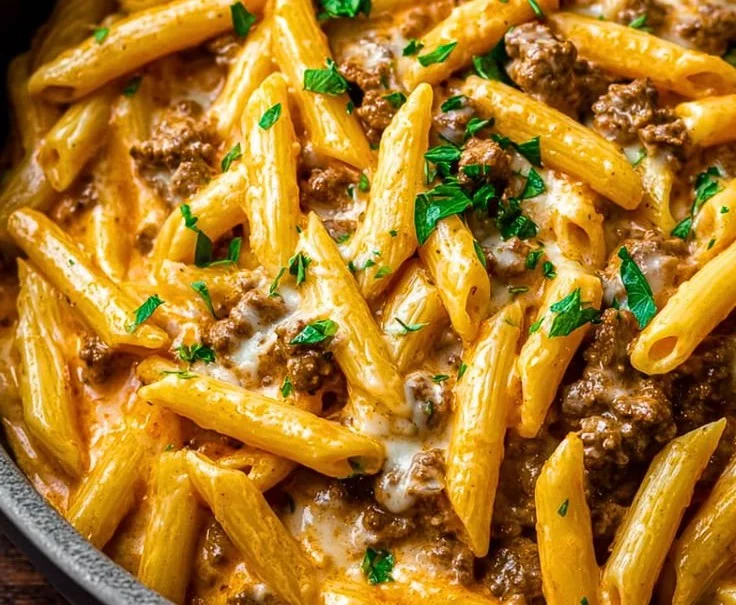
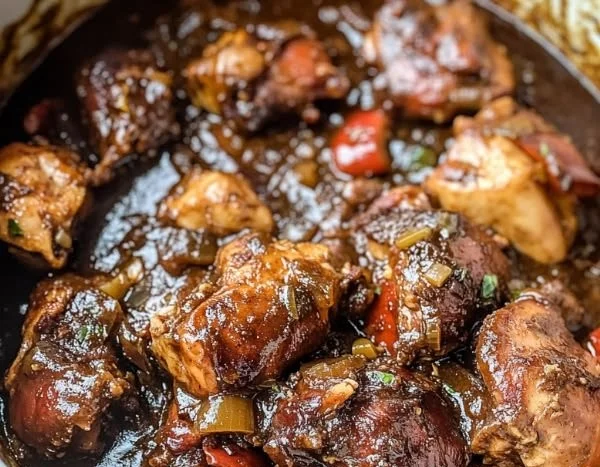
I’ve always loved a dish that leaves the kitchen smelling like a memory: caramelized bits, warm thyme, and a peppery heat that lingers. Tonight I wanted that exact comfort, so I reached for a whole chicken (I prefer bone-in pieces for the depth they give) and a handful of pantry staples. When I’m not making a stew like this, I sometimes turn to a heartier pasta option such as my spin on the cowboy butter chicken pasta for a different kind of cozy plate.
Ingredients I used (in one long, messy-but-honest paragraph):
1 whole chicken cut into pieces, salt and black pepper to season, a couple tablespoons of browning to deepen color, one large sweet onion and four cloves of garlic for aromatics, three stalks of escallion (green onion) finely chopped, a generous handful of fresh thyme, two bay leaves for background, a medium scotch bonnet (I trimmed the seeds for less heat), a teaspoon of pimento/allspice berries, a spoonful of dark brown sugar to lift the savory, about two cups of low-sodium chicken stock to simmer, a red and a green bell pepper for color and crunch, a tablespoon each of ketchup and soy sauce to thicken and umami-boost, and three tablespoons of olive oil to get everything nicely browned.
Why this combo works (short, punchy):
Sweet, spicy, and savory play tug-of-war. The browning liquid isn’t just about looks — it gives the sauce that mahogany sheen and a roasted edge. The brown sugar softens the heat; the thyme and pimento give it that unmistakable warm, slightly floral island note. Using stock instead of water lets the chicken keep its soul while simmering.
How I cooked it (not rigid steps, more like a flow I follow):
I start by patting the chicken dry, then seasoning with salt and pepper. Heat the olive oil until it shivers; I don’t rush the browning — those golden edges are non-negotiable. Once the skin has color, I take the pieces out and briefly coat them with a little browning sauce to deepen that color, then return them to the pan.
Next I soften the onions, garlic, and escallion in the same skillet, scraping up the fond with a wooden spoon. That caramelized residue is flavor-packed. I add the thyme, bay leaves, pimento, scotch bonnet (carefully), and toss in the bell peppers toward the end so they keep a bit of texture. A splash of soy sauce and a spoon of ketchup go in now to round the gravy; if you prefer a lighter touch, omit the soy and add a squeeze of lime at the end.
Simmering is patient work — pour in the stock so the chicken is halfway submerged, tuck the lid on, and let it bubble gently for about 30–45 minutes until the meat is tender and the sauce has reduced and thickened. If the sauce needs body, a teaspoon of cornstarch slurry helps, but I usually let the sugars and ketchup do the job. I always test a piece near the bone to make sure it’s cooked through and pulls away easily.
A few quick technique notes scattered here because I find them useful:
- If you want more heat but not the scotch bonnet’s searing intensity, leave it whole and pierce it only slightly; remove it after simmering.
- Crushing the pimento seeds with the back of a spoon releases more aroma than leaving them whole.
- Browning sauce goes a long way; add sparingly and taste as you go.
Variations I’ve tried (short, varied sentences):
- Dark meat only (thighs and drumsticks) for extra richness.
- Add carrots or potatoes for a one-pot dinner that feeds a crowd.
- Swap olive oil for coconut oil if you want a subtly different tropical aroma.
Storage and leftovers:
Cool the stew to near room temperature before sealing it in an airtight container. It keeps well in the fridge for 3–4 days and reheats wonderfully on low heat; the flavors actually deepen after a day. For longer storage, freeze in portions and thaw overnight in the fridge before reheating.
If you’re looking for a lighter, quicker chicken option that still leans on herbs and bold flavors, I sometimes adapt the same seasoning ideas into a pan-seared format inspired by my Mediterranean chicken tenders recipe, trading the long simmer for a faster finish.
A note about pairing:
Serve this over fluffy rice, with fried plantains, or with a simple green salad to cut through the richness. A cold, crisp lager or a citrusy IPA contrasts nicely if you drink beer; a dry white wine will also do the trick.
Conclusion
For more ideas and plating inspiration that celebrate bold, homely flavors, I sometimes browse resources like YARD COOKED DISHES to see how others finish and present similar stews. One limitation I noticed while making this: balancing the scotch bonnet’s heat is tricky—tiny differences in seeds or pepper size can swing the stew from pleasantly warm to eye-watering, so I always err on the side of caution and adjust at the end.
Caribbean Comfort Chicken Stew
Ingredients
Method
- Pat the chicken dry and season with salt and black pepper.
- Heat the olive oil in a skillet until it shimmers.
- Brown the chicken pieces until golden on all sides, then remove and coat with browning sauce before returning to the pan.
- In the same skillet, soften the onions, garlic, and escallions, scraping up fond from the bottom.
- Add thyme, bay leaves, pimento, and the whole scotch bonnet; add bell peppers towards the end.
- Stir in ketchup and soy sauce to create a rich gravy.
- Pour in chicken stock until chicken is halfway submerged, cover, and simmer gently for about 30-45 minutes.
- Check for doneness by ensuring the meat pulls away from the bone easily.