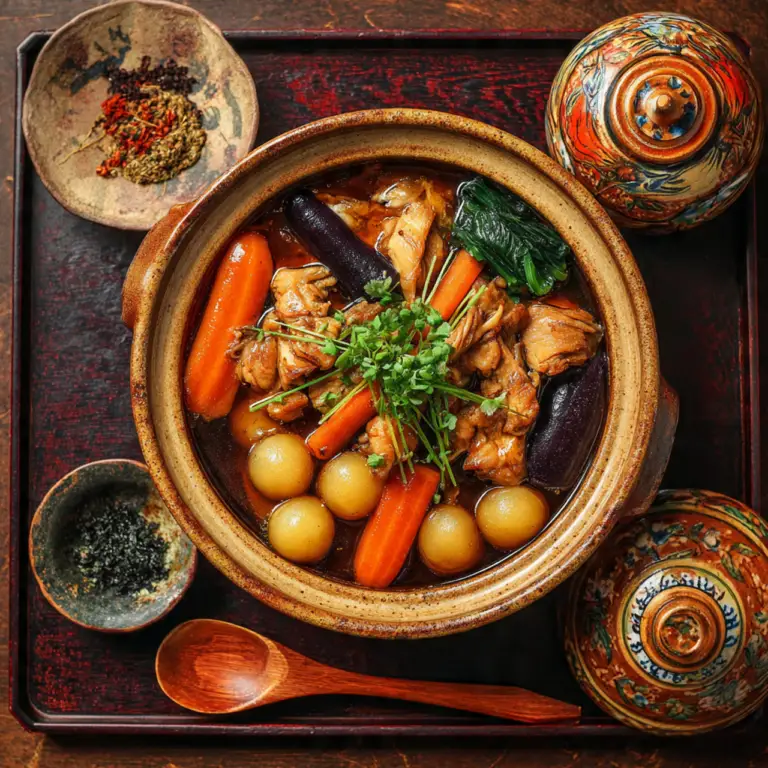
Japanese Chicken Yakitori Recipe
The Secret Behind Perfect Japanese Chicken Yakitori Recipe The first time I smelled yakitori sizzling on skewers I was hooked. It was at a late-summer festival and the air was thick with sweet soy caramel and char. Since then, I make my own version at home and call it Japanese Chicken Yakitori Recipe whenever friends…
The Secret Behind Perfect Japanese Chicken Yakitori Recipe
The first time I smelled yakitori sizzling on skewers I was hooked. It was at a late-summer festival and the air was thick with sweet soy caramel and char. Since then, I make my own version at home and call it Japanese Chicken Yakitori Recipe whenever friends come over and ask for “that sticky chicken.” I don’t always have hours to fuss, which is why I love this one: it uses simple things you probably already have, and it comes together fast. If you ever need a slower-cooked alternative for a busy day, I sometimes pair it with ideas from the 10 Best Slow Cooker Chicken Recipes to round out a weeknight menu.
When I talk about what goes in it, I say it like this: you’ll want 5–6 pieces boneless chicken breast or 6–8 pieces boneless chicken thighs depending on how juicy you want the final skewers to be. Two garlic cloves, minced, and about 1 tablespoon fresh ginger minced (or 1 teaspoon ginger powder when I’m lazy) give it that bright backbone. For seasoning there’s 1 teaspoon ground black pepper. The sauce base is straightforward: 1/3 cup soy sauce, 1/3 cup water, and 3 tablespoons red wine or mirin if you want the authentic rice wine flavor. Sweetness comes from 1/4 cup plus 2 tablespoons brown sugar and a touch of acidity from 1 tablespoon distilled vinegar or rice vinegar. To finish the glaze I thicken with 1 tablespoon cornstarch. And don’t forget 6–7 wooden skewers soaked in water for 10–20 minutes so they don’t burn while you grill.
A Few Things I’ve Learned
One of the first practical lessons: soak the wooden skewers in water for 10-20 minutes to prevent burning during grilling. I always do that while I’m trimming the chicken so it’s a two-bird-one-stone kind of prep. Trim any excess fat or cartilage from the chicken, then cut it into 1–2 inch chunks and lightly pound to tenderize. The pounding isn’t about smashing the chicken flat; it’s about giving it a little surface that will take the sauce and char nicely.
In a bowl, I mix the soy sauce, water, red wine or mirin, brown sugar, and vinegar until the sugar dissolves completely. That little step makes a massive difference because you don’t want granular sugar catching fire on the grill. Later, in a large bowl, combine the minced garlic, ginger, ground black pepper, and 1/4 cup of the prepared sauce. Add the chicken and toss to coat evenly. Marinate for at least 10 minutes. I often stretch this to half an hour if I have time, but even ten minutes gives the meat a marked lift.
Before you start cooking I like to save most of the sauce. Pour the remaining sauce into a saucepan and bring it to a boil over medium heat. Mix 1 tablespoon of cornstarch with 2 tablespoons of sauce to create a slurry, then stir it into the boiling sauce to thicken it. Let it simmer until the sauce reaches a syrupy consistency, then remove from heat. The smell of that syrupy glaze is why people keep coming back for seconds.
Getting the Texture Just Right
Thread the marinated chicken onto the soaked skewers and grill or broil over medium-high heat for 8-12 minutes, turning occasionally. I find that 8 to 10 minutes is perfect for thighs, while breasts can dry out if left at the high end of the range; keep an eye on them. Baste with the thickened sauce until the chicken is cooked through and caramelized. The goal is glossy, slightly sticky coating and little flecks of char where the sugars have kissed the heat. The safest and clearest indicator is temperature: internal temperature should reach 165°F / 74°C. If you do not use a thermometer, look for clear juices and an opaque center.
Three quick tips that help me every time: first, do not overcrowd the grill. Give each skewer a little room so heat circulates and you get even caramelization. Second, when basting, leave the final glaze for the last few minutes so the sugar does not burn. Third, if you’re broiling, move the rack so the skewers aren’t too close to the element; you want blistering, not blackening.
If you want to experiment with cooking methods, I often switch to an air fryer for convenience. It crisps up the edges quickly and is forgiving if you don’t want to fire up the grill; for tips on getting thighs just right in that method I find the air fryer chicken thighs recipe techniques very useful. And when I want a different flavor profile but the same ease, I borrow timing ideas from an air fryer garlic parmesan chicken skewers recipe I adapted once into a sweeter yakitori glaze.
When Things Don’t Go As Planned
Sometimes the sauce catches a little too much color and becomes bitter. If that happens, I remove it from the heat, whisk in a splash of water and a teaspoon of extra vinegar, and then simmer gently to bring back balance. If the chicken dries out, the best salvage is slicing it thin and serving it over rice with extra glaze; the remaining sauce acts like a rescue dressing. If skewers split or burn despite soaking, I switch to metal skewers or place a foil-lined tray under the broiler to protect them.
I remember one summer when I over-marinated the chicken in a rush and the texture got mushy. That taught me not to leave it in the acidic soy-vinegar mix for hours. Ten to thirty minutes is usually right for bite-sized pieces.
What I Serve It With and How I Keep Leftovers
I always serve yakitori with steamed rice and a scatter of thinly sliced scallions. Pickled ginger or quick cucumber pickles cut through the sweetness and keep the palate refreshed. A crisp salad with sesame dressing also plays nicely. If you have miso soup on hand it’s a comforting pairing.
Leftovers store well. I cool the skewers to room temperature, then wrap tightly or use an airtight container in the fridge for up to three days. When reheating, a quick minute under a broiler or a few minutes in a 350°F oven keeps the glaze shiny without drying the meat. You can also slice the chicken off the skewer and toss it into fried rice or a noodle bowl.
Variation ideas are fun and simple: swap thighs for breasts if you prefer a leaner bite, or add chopped scallions between the chicken pieces for negima-style skewers. For a smoky twist add a teaspoon of toasted sesame oil to the marinade or grill over charcoal. If you are avoiding sugar, try a light honey substitute but reduce the heat slightly to prevent burning.
Conclusion
If you want to see another take on traditional techniques, the detailed approach in Yakitori Recipe 焼き鳥 – Just One Cookbook is a great reference for classic styles. For another home cook’s method with clear step-by-step photos, check out the helpful guide at Yakitori Recipe (Japanese Char-Grilled Chicken w/ Sauce). And if you like comparing a few different home-friendly recipes before settling on a favorite, Yakitori (Japanese Skewered Chicken) – RecipeTin Japan offers useful variations to inspire your next batch.
Give this Japanese Chicken Yakitori Recipe a try on your next weekend cookout or busy weeknight. The caramelized, garlicky glaze, the little pops of char, the way the meat yields when you bite into it—those are the moments that keep me coming back.
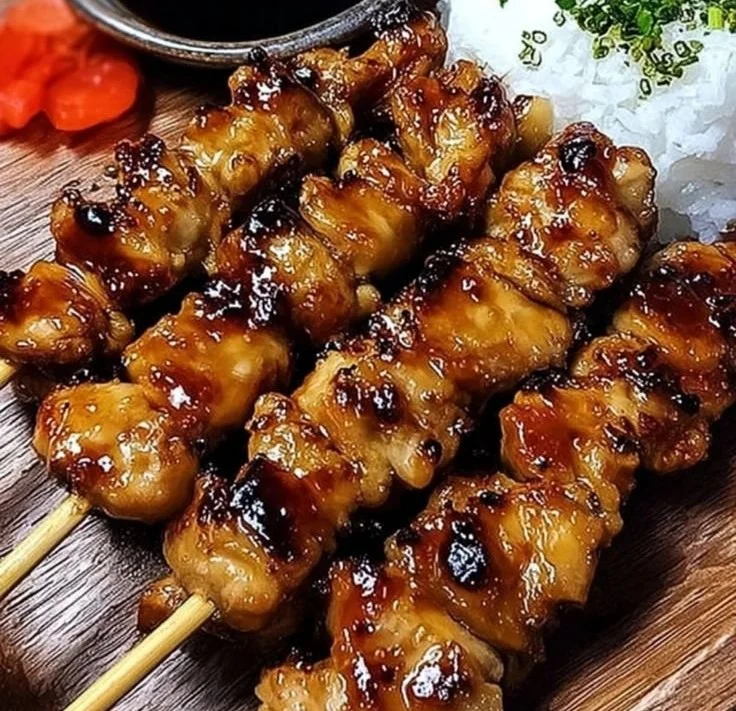
Japanese Chicken Yakitori
Ingredients
Method
- Soak the wooden skewers in water for 10-20 minutes.
- Trim excess fat or cartilage from the chicken, then cut it into 1-2 inch chunks.
- Lightly pound the chicken pieces to tenderize.
- In a bowl, mix soy sauce, water, red wine or mirin, brown sugar, and vinegar until the sugar dissolves.
- In a large bowl, combine minced garlic, ginger, ground black pepper, and 1/4 cup of prepared sauce.
- Add chicken to the bowl and toss to coat evenly. Marinate for at least 10 minutes.
- Pour the remaining sauce into a saucepan and bring it to a boil over medium heat.
- Mix 1 tablespoon of cornstarch with 2 tablespoons of sauce to create a slurry, then stir into boiling sauce to thicken.
- Thread marinated chicken onto soaked skewers.
- Grill or broil over medium-high heat for 8-12 minutes, turning occasionally.
- Baste chicken with thickened sauce until cooked through and caramelized; internal temperature should reach 165°F / 74°C.
- Serve immediately with steamed rice and toppings as desired.