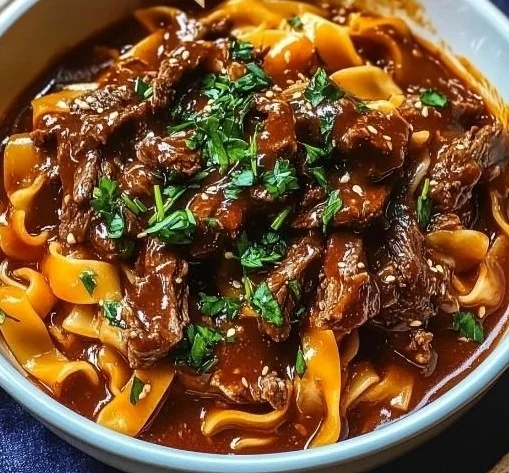
Korean Beef Noodles
There’s something truly special about a warm bowl of Korean Beef Noodles that transports me to bustling streets in Seoul, where the air is rich with the savory and spicy aromas of street food. The tender beef, infused with flavorful spices and paired with silky noodles, creates a comforting and satisfying experience that’s hard to…
There’s something truly special about a warm bowl of Korean Beef Noodles that transports me to bustling streets in Seoul, where the air is rich with the savory and spicy aromas of street food. The tender beef, infused with flavorful spices and paired with silky noodles, creates a comforting and satisfying experience that’s hard to beat. As I prepare this dish, I fondly remember our family meals celebrating Korean New Year, where beef noodles reigned as the star of the show. Whether it’s a chilly evening or a cozy family gathering, this recipe is bound to be a hit!
Why Korean Beef Noodles Deserves a Spot in Your Kitchen
- A Flavor Explosion: The combination of tender beef, aromatic garlic, and the subtle heat of gochujang creates a symphony of flavors that dances on your palate.
- Comfort in a Bowl: This dish is the epitome of comfort food, perfect for warming you up from the inside out—ideal for those chilly evenings.
- Versatile Ingredients: Whether you love meat or prefer to load up on veggies, this recipe is easily adaptable to your personal preferences.
- Slow-Cooked Goodness: Taking the time to simmer the beef makes it melt-in-your-mouth tender, yielding incredible depth of flavor that’s simply irresistible.
- Easy to Make: With straightforward steps, this dish doesn’t require any advanced cooking skills—making it perfect for beginners and seasoned cooks alike.
Gathering Your Ingredients
To get started on your bowl of Korean Beef Noodles, gather the following ingredients to ensure a delicious experience:
- 1 pound beef (chuck or brisket), cut into strips: Choose a cut that has good marbling for the best flavor and tenderness during cooking.
- 4 cups beef broth: This adds richness and depth to the dish, creating a velvety sauce that will cling to your noodles.
- 3 cups cooked noodles (e.g., rice noodles or udon): The type of noodle you choose will impact the texture, but any noodle will soak up the delightful sauce beautifully.
- 2 cups mixed vegetables (e.g., carrots, bell peppers, broccoli): Feel free to use whatever veggies you have on hand to add color, crunch, and nutrition!
- 3 cloves garlic, minced: Garlic is the aromatic hero of this dish, amplifying all the flavors beautifully.
- 1 onion, sliced: Sweet and savory, onions provide a perfect base for the dish.
- 1 tablespoon ginger, minced: Ginger adds warmth and a slight zing, balancing the other flavors.
- 2 tablespoons soy sauce: Soy sauce is the umami flavor bomb that ties everything together, elevating the taste to new heights.
- 1 tablespoon sesame oil: This ingredient brings a nutty aroma and richness that enhances the overall dish.
- 1 tablespoon gochujang (Korean chili paste): A staple in Korean cuisine, this chili paste introduces depth and a lovely hint of spice.
- Salt and pepper to taste: Always taste to season properly; a little salt and pepper can elevate your dish exponentially.
- Green onions, for garnish: These not only add visual appeal but also a fresh, zesty flavor that brightens up the dish.
Crafting Your Perfect Korean Beef Noodles
Now that you have your ingredients at the ready, let’s dive into the cooking process. This is where the magic happens, and trust me, you’ll want to savor every step of this journey:
- In a large pot, heat sesame oil over medium heat. Add garlic, onion, and ginger, and sauté until fragrant. The moment the garlic hits that hot oil, you’ll be enveloped in an irresistible aroma!
- Add the beef and cook until browned. This step is crucial; it locks in all that delicious beef flavor and forms a lovely crust on the outside.
- Pour in the beef broth, soy sauce, and gochujang. Bring to a boil, then reduce heat and simmer for 1.5 to 2 hours until beef is tender. This slow simmer transforms the beef into a succulent delight while allowing the flavors to meld beautifully.
- Add mixed vegetables and cooked noodles, stir to combine, and cook until heated through. This is when your kitchen will start to smell unbelievably good, and you’ll be tempted to sneak a taste!
- Season with salt and pepper to taste. A little tweak here and there can make all the difference!
- Serve warm, garnished with green onions. Just picture this vibrant bowl, inviting you to dig in.
My Favorite Tricks
To ensure your Korean Beef Noodles turn out memorable, consider these helpful tips:
- Let It Rest: Once you finish cooking, let your noodles sit for a few minutes before serving. This will help the flavors deepen and the noodles to soak in the broth.
- Customize the Heat: If you love spicy food, don’t be shy with the gochujang. Add more to kick up the heat and flavor profile.
- Use Fresh Ingredients: Opt for fresh, high-quality vegetables and meat for the best taste and texture. It truly makes a big difference!
- Prep Ahead: You can marinate the beef in soy sauce or gochujang the night before for an extra flavor boost.
- Double Up: This recipe makes great leftovers, so consider making a bigger batch to enjoy throughout the week!
Ways to Change It Up
Let your creativity flow with these enticing variations on the classic recipe:
- Swap the Protein: Use chicken or tofu for a lighter twist. Both alternatives cook quickly and absorb the flavors beautifully.
- Add Heat: Experiment with fresh sliced chilis or chili flakes for an extra punch of heat.
- Herb it Up: Toss in fresh herbs like cilantro or Thai basil for an aromatic touch that brightens the dish.
- Change the Noodle Type: Try egg noodles or soba for different textures and flavors; each offers a unique profile.
- Top with Crunch: A sprinkle of crushed peanuts or sesame seeds can add delicious texture and an extra nutty flavor.
How to Enjoy Korean Beef Noodles
When it comes time to serve this culinary marvel, presentation is key. Ladle the aromatic beef and noodle mixture into deep bowls, ensuring every bowl is brimming with color and warmth. The tender beef beautifully contrasts with the crispy vegetables, and a sprinkle of green onions adds the finishing touch that helps brighten the dish.
Pair these noodles with some fluffy steamed rice to soak up the savory broth or a refreshing side salad to balance the richness. A chilled Korean beer or a sweet tea can elevate the meal even further!
Keep It Fresh
If you find yourself with leftovers (which I doubt because it’s so delicious!), here are some smart storage tips:
- Refrigerate: Allow the noodles to cool completely before transferring to an airtight container. They’ll last up to three days in the fridge.
- Freeze for Later: You can also freeze the noodle and broth mixture; however, for the best texture, consider freezing the noodles and broth separately.
- Reheating: When you’re ready to enjoy your leftovers, reheat gently on the stove with a splash of beef broth to maintain moistness.
Got Questions?
Here are some common questions I’ve encountered about making Korean Beef Noodles:
- Can I use different noodles? Absolutely! While traditional options include rice noodles or udon, any noodle you love will work just fine.
- Is gochujang spicy? It has a mild heat but provides a lot of flavor. Feel free to start with less if you’re concerned about the heat level.
- Can I make this in a slow cooker? Yes, this recipe can work wonderfully in a slow cooker! Just combine all the ingredients and let them cook on low for 6-8 hours.
- What can I substitute for beef? You could use chicken, shrimp, or even chickpeas for a vegetarian option; just adjust cooking times accordingly.
As I wrap up this culinary journey, I hope you’re inspired to try making Korean Beef Noodles in your kitchen. From the inviting aroma to the heartwarming flavors, every bite is a reminder of togetherness and comfort, perfect for sharing with loved ones. Dive into this delightful recipe, and let it warm your heart and home as it has mine! Enjoy cooking and savoring every bowl!
Korean Beef Noodles
Ingredients
Method
- In a large pot, heat sesame oil over medium heat. Add garlic, onion, and ginger, and sauté until fragrant.
- Add the beef and cook until browned to lock in flavor.
- Pour in the beef broth, soy sauce, and gochujang. Bring to a boil, then reduce heat and simmer for 1.5 to 2 hours until beef is tender.
- Add mixed vegetables and cooked noodles, stir to combine, and cook until heated through.
- Season with salt and pepper to taste.
- Serve warm, garnished with green onions.