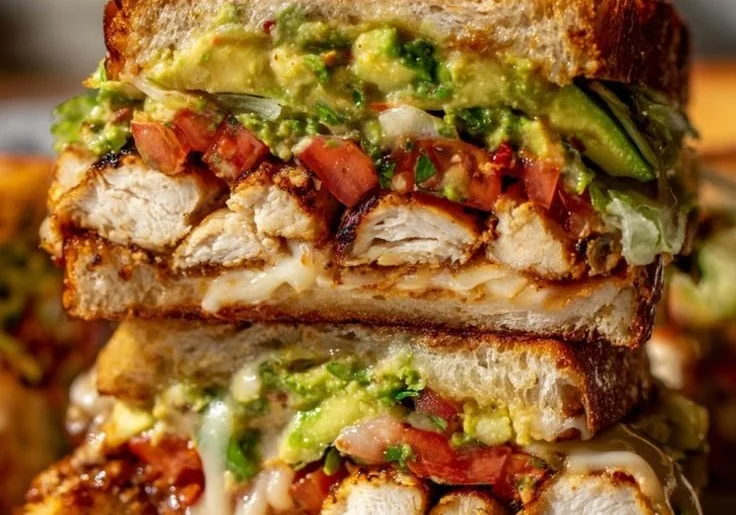
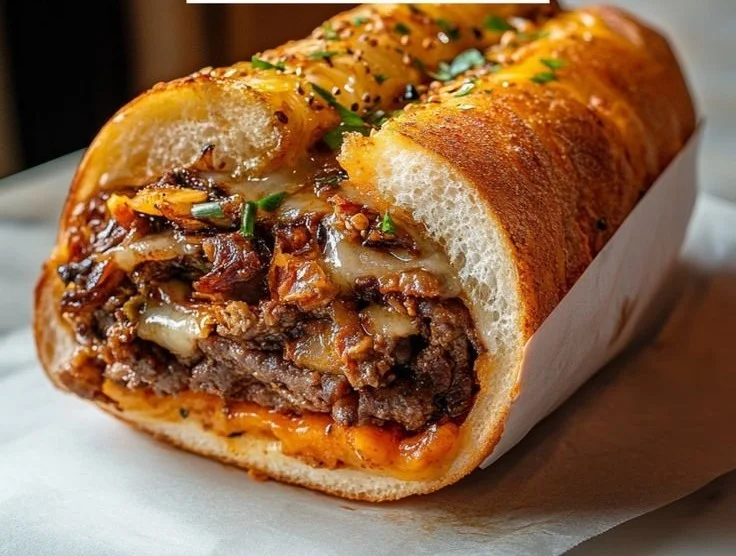
Korean-Inspired Kimchi Bulgogi Cheesesteak
The Moment I Fell in Love with This Sandwich The first time I made what I now call Korean-Inspired Kimchi Bulgogi Cheesesteak, it was late on a weeknight and my brain wanted something messy, fast, and comforting. I had a pound of beef sirloin, thinly sliced, a jar of tangy kimchi, and an urge to…
The Moment I Fell in Love with This Sandwich
The first time I made what I now call Korean-Inspired Kimchi Bulgogi Cheesesteak, it was late on a weeknight and my brain wanted something messy, fast, and comforting. I had a pound of beef sirloin, thinly sliced, a jar of tangy kimchi, and an urge to marry two of my favorite worlds: Korean flavors and that ooey-gooey cheesesteak vibe. I remember the sizzle as the beef hit the pan and the sharp, vinegary perfume of the kimchi cutting through the rich meat — it felt like home and an adventure at the same time. If you like cheesesteak mashups, I once riffed on an Easy Cheesesteak Tortellini that gives a similar comfort vibe.
The Ingredients That Pull It Together
I never like to make a shopping list sound clinical, so picture this: 1 lb beef sirloin, thinly sliced, ready to soak up flavor; 1 cup kimchi, chopped so it folds into the beef; 1 medium yellow onion, sliced into ribbons; 1 cup bell peppers (any color), sliced for sweetness and crunch; 4 slices provolone or American cheese to melt into everything; 2 tbsp low-sodium soy sauce and 1 tbsp sesame oil to anchor the marinade; 2 tsp vegetable oil for the skillet; and optional minced garlic and sugar for the marinade if you want that extra savory-sweet depth. That handful of pantry things turns into something ridiculous in the best way.
When I talk about the process I say plainly what I do in the kitchen: Slice the beef, onion, and bell peppers. In a bowl, mix soy sauce, sesame oil, optional garlic, and optional sugar. Marinate the beef for at least 15 minutes. Heat vegetable oil in a skillet over medium-high heat. Sauté onions and bell peppers until tender (about 5 minutes). Push veggies to one side; add marinated beef to the skillet. Cook until browned (about 5 minutes), stirring occasionally. Mix in chopped kimchi; cook for an additional 2 minutes. Assemble by placing the bulgogi mixture on toasted hoagie rolls and topping with cheese. Broil for about 2 minutes until cheese melts. Those steps are simple but each one has a moment where you can make it sing.
Cooking It Like I Would for Friends
If I’m hosting friends, I usually start marinating the beef first because it gives me a minute to tidy up and pour a drink. In a bowl, whisk the 2 tbsp low-sodium soy sauce with the 1 tbsp sesame oil and add minced garlic and a pinch of sugar if I’m feeling indulgent. I let the thinly sliced sirloin sit in that for at least 15 minutes. While it marinates I slice the 1 medium yellow onion and the 1 cup bell peppers, and I chop about 1 cup kimchi so it’s ready to fold in.
Heat 2 tsp vegetable oil in a skillet over medium-high heat and sauté the onions and bell peppers until tender, about 5 minutes, letting them color a little at the edges. Push veggies to one side; add marinated beef to the skillet. Cook until browned, about 5 minutes, stirring occasionally so the meat gets little caramelized shards. Then I mix in the chopped kimchi and cook for an additional 2 minutes to warm it through and mellow its bite. The sound turns from gentle sizzle to a rapturous hiss when everything starts mingling. Toast the hoagie rolls, pile on the bulgogi and veggie mix, and lay 4 slices provolone or American cheese over the top. Broil for about 2 minutes until cheese melts and gets those tiny golden spots that make you want to eat it immediately.
When I need dinner fast, I rely on tricks I’ve learned from other recipes; for example, the way pressure-cooked kimchi and beef come together is something I explored when reading an Instant Pot Kimchi Beef Stew and then adapted for the skillet so the textures stay lively instead of falling apart.
Little Tricks I Swear By
I have a handful of small things that consistently make this better. First, don’t overcrowd the skillet when browning the beef; do it in batches if you must, otherwise everything steams and you lose those browned bits. Second, chop the kimchi so it disperses into the beef rather than clumping; it gives you a hit of tang in every bite. Third, if you like a touch of sweetness, a tiny pinch of sugar in the marinade balances the soy and the kimchi beautifully. Fourth, use provolone if you want gooey stretch and American cheese if nostalgia is the point. Finally, save a little of the kimchi juice to splash into the pan if things feel dry — it perks the whole dish up.
If you enjoy indulgent, creamy takes sometimes, I once made a crossover that leaned into rich cheese in another recipe and it taught me proportion; the High-Protein Philly Cheesesteak Mac & Cheese experiment reminded me that a little restraint goes a long way when there is already kimchi acidity in the dish.
When You Know It’s Done (and What to Serve With It)
You know this is ready when the beef is browned with little flecks of caramelization, the onions are soft and translucent with some browned edges, and the kimchi is fragrant but not raw — it should smell vinegary and slightly sweet instead of sharp and harsh. The cheese should be melted and glossy, pulling threads when you take a bite. Serve it with crisp, cold cucumber slices or a simple green salad to contrast the heat and richness. If you want something heartier, crispy fries or tater tots are classic, but I also like steamed rice on the side for a fork-and-spoon option that soaks up the juices.
If you end up with leftovers, store them in an airtight container in the fridge for up to three days. Reheat gently in a skillet so the beef warms through and the kimchi regains some of its vibrancy; in a microwave it works too, but you lose some texture. If you want to make it ahead, assemble the filling and keep the rolls separate; then toast rolls and broil with cheese just before serving so everything feels fresh.
Conclusion
If you want a different take or more inspiration, I sometimes compare versions I find online, like this Food & Frenchies’ Korean-Inspired Kimchi Bulgogi Cheesesteak which highlights a similar mashup, and I also enjoy seeing the home-cooking spin on the Korean Bapsang’s Kimchi Bulgogi Cheesesteak for a more traditional leaning. Give it a try, tweak the garlic and sugar to your taste, and tell a friend — that’s how this became my go-to: a recipe shared, tested, tweaked, and loved.
Korean-Inspired Kimchi Bulgogi Cheesesteak
Ingredients
Method
- Slice the beef, onion, and bell peppers.
- In a bowl, mix the soy sauce, sesame oil, optional garlic, and optional sugar.
- Marinate the beef for at least 15 minutes.
- Heat vegetable oil in a skillet over medium-high heat.
- Sauté onions and bell peppers until tender, about 5 minutes.
- Push veggies to one side; add the marinated beef to the skillet.
- Cook until browned, about 5 minutes, stirring occasionally.
- Mix in the chopped kimchi; cook for an additional 2 minutes.
- Assemble by placing the bulgogi mixture on toasted hoagie rolls.
- Top with cheese slices and broil for about 2 minutes until cheese melts.