Lemon Curd Tartlets
A Bright Little Habit I have this habit of making something lemony whenever spring creeps in—small, bright, tartlets that seem to make everything feel lighter. The first time I made these Lemon Curd Tartlets I was trying to impress a friend who adores citrus; the smell of grated zest and warm butter in the kitchen…
A Bright Little Habit
I have this habit of making something lemony whenever spring creeps in—small, bright, tartlets that seem to make everything feel lighter. The first time I made these Lemon Curd Tartlets I was trying to impress a friend who adores citrus; the smell of grated zest and warm butter in the kitchen did half the work for me. If you like the idea of lemon in many forms, you might enjoy my take on a lemon curd cake for birthdays as well, but these little tartlets are faster and somehow more mischievous.
I should tell you straight away what goes into them, because the list is gloriously simple: 2 packs Ready-rolled shortcrust pastry (each pack of Jus-Rol weighs 320g) (remove from the fridge 30 minutes before using), 4 medium Lemons (juice and zest), 200 g Caster sugar, 4 medium Eggs (room temperature), 50 g Unsalted butter (room temperature), 2 tbsp Icing sugar (for dusting). That’s it. Just a few pantry things and a handful of lemons and you’re on your way.
The Secret Behind the Pastry Cases
Make the pastry cases by letting your ready-rolled pastry sit out for about 30 minutes so it relaxes and becomes easier to handle. I roll the sheets gently into tartlet tins, pressing the pastry into the fluted edges until it sits snugly. A little tip I picked up from my grandmother is to prick the base with a fork and pop a circle of parchment paper over each case with baking beans or rice to blind bake. I preheat the oven to around 190°C (170°C fan) and bake the cases for about 12 to 15 minutes until the edges turn a pale gold and the bases sound a little hollow when you tap them. If the centers puff up, press them back down quickly with the bottom of a spoon while warm.
One personal trick: if the edges brown faster than the centers, cover them a little with foil to prevent over-browning. Also, remove the pastry cases from the tin right away to stop steam softening the bottoms; you want a crisp, slightly crumbly shell to contrast with the silky curd.
Meanwhile: The Lemon Curd That Makes People Sigh
While the shells are baking, meanwhile make the lemon curd. This is the part everybody remembers: the bright, glossy curd that smells like sunshine. Zest all four medium lemons first so you capture that fragrant oil, then squeeze enough juice to make about 120–150 ml. Whisk together the 200 g caster sugar, the zest, the lemon juice, and the 4 medium eggs in a heatproof bowl. I usually do this over a bain-marie, stirring constantly until the mixture thickens and coats the back of a spoon—this takes patience but rewards you with the silkiest texture. Add 50 g unsalted butter (room temperature) in small pieces at the end so it melts into the curd and gives it that glossy finish.
A tip: I always strain the curd through a fine sieve to remove any overcooked bits of egg and the zest if I want a super smooth filling. If you prefer a slightly rustic texture, you can leave the zest in. Also, use room temperature eggs and butter; cold ingredients can cause the curd to seize or take longer to come together. You’ll know the curd is ready when it thickly coats a spoon and you can make a clear line with your finger through it.
Once it’s thickened, take the curd off the heat and let it cool a little. It should still be pourable but not scalding.
Filling, Finishing, and How to Know It’s Right
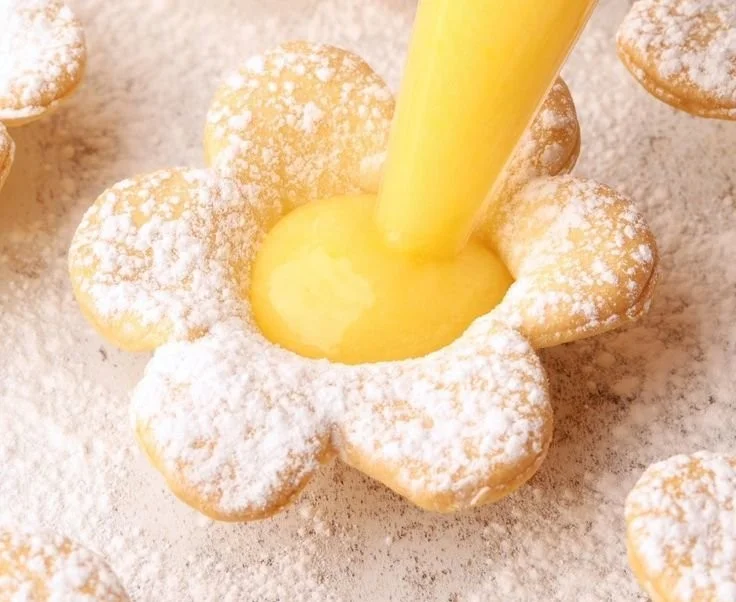
When the pastry cases are cool to the touch, fill the lemon tartlets. Spoon the lemon curd into each shell, filling them almost to the rim. I like to do this while the curd is warm because it settles in neatly, but if you prefer cleaner edges chill the curd until lukewarm and then fill. Place the filled tartlets in the fridge for at least an hour so the curd sets and the flavors settle.
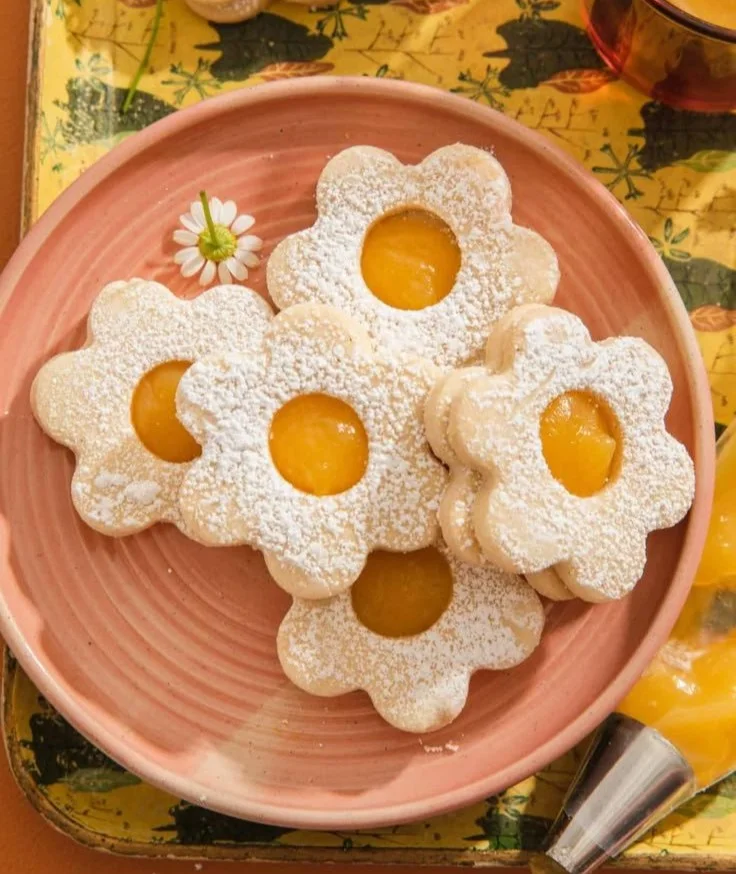
You’ll know they are done when the curd is set to a gentle wobble and the pastry is crisp and not soggy. The perfect tartlet has a pale yellow, glossy filling that snaps lightly when you bite it—creamy curd against a crumbly crust. Right before serving dust each tartlet with about 2 tbsp icing sugar for a soft snowy look.
I have a few go-to serving ideas. These tartlets are wonderful with a strong tea and a slice of calm afternoon, or, if you want to be slightly indulgent, a chilled glass of prosecco. For a complete lemon-themed meal I sometimes pair them after a light main like baked lemon garlic cod with butter sauce; the contrast between savory and sweet lemon makes the meal feel deliberate and seasonal.
A Few Things I’ve Learned (Variations, Storage, and the Little Fixes)
Over the years I’ve learned to bend this recipe into multiple forms. Sometimes I spoon a layer of raspberry puree into the tart before the curd for a fruity contrast, or I fold some mascarpone into cooled curd for a creamier, less tart version. Another variation is to top the tartlets with a quick torched meringue for a lemon meringue mini—just be careful when torching near thin pastry.
If you have leftovers, store them in the fridge in an airtight container and eat within three days. The curd keeps its bright flavor but the pastry will slowly soften, which is why I often keep pastry and curd separate if I know they will be made ahead—assemble right before guests arrive. Also, if your curd loosens after refrigeration, let it come to room temperature for a few minutes; the texture rescues itself beautifully.
A couple more practical tips: taste your curd while cooking and adjust sugar versus lemon if you want it tarter or sweeter, and don’t rush the thickening stage because undercooked curd will be runny in the tart shells. If your pastry shrinks, it usually means it was stretched during lining or was too warm before baking—next time chill it longer and handle it as little as possible.
Conclusion
These Lemon Curd Tartlets are one of my happiest recipes because they are fast, evocative, and endlessly adaptable—bright yellow curd, the scent of lemon zest, and a buttery crunch. If you want another version to compare notes or to see a slightly different technique, I like this Lemon Tartlets Recipe with the BEST Lemon Curd – A Side of Sweet which inspired a few of my own small changes.
Lemon Curd Tartlets
Ingredients
Method
- Let the ready-rolled pastry sit out for about 30 minutes to relax.
- Roll the sheets into tartlet tins, pressing the pastry into the fluted edges.
- Prick the base with a fork and place a circle of parchment paper over each case with baking beans or rice to blind bake.
- Preheat the oven to 190°C (170°C fan) and bake the cases for 12 to 15 minutes until the edges turn pale gold.
- If the centers puff up, press them back down quickly with a spoon while warm.
- Remove pastry cases from the tin immediately to prevent sogginess.
- Zest all four lemons and squeeze enough juice to make about 120–150 ml.
- Whisk together the caster sugar, lemon zest, lemon juice, and eggs in a heatproof bowl.
- Cook this mixture over a bain-marie, stirring constantly until thickened.
- Add butter in small pieces and allow it to melt into the curd.
- Strain the curd through a fine sieve if a super smooth filling is desired.
- Remove from heat and let the curd cool slightly before using.
- Once the pastry cases are cool, fill them with lemon curd, almost to the rim.
- Chill the filled tartlets in the fridge for at least an hour until set.
- Dust each tartlet with icing sugar before serving.

![[EASY] Vegan Choc Banana Muffins: Your Ultimate 30-Min Treat!](https://wiserecipes.com/wp-content/uploads/2025/09/image-4-768x1097.jpg)