Lemon Lavender Cake
A kitchen memory with sticky fingers The first time I tasted lemon lavender cake I was nine, crouched next to my aunt’s kitchen table with syrup on my chin and the sun making the tablecloth a pale gold. She slid a slice across to me and whispered that the lavender was from her balcony pots….
A kitchen memory with sticky fingers
The first time I tasted lemon lavender cake I was nine, crouched next to my aunt’s kitchen table with syrup on my chin and the sun making the tablecloth a pale gold. She slid a slice across to me and whispered that the lavender was from her balcony pots. That tiny, floral note sitting beside ringing citrus has stuck with me. If you want a quick take on similar riffs, I once bookmarked another lemon lavender version that leans more floral, but over the years I tuned the balance toward lemon for brightness and kept lavender as a background voice.
The Moment a Squeeze of Lemon Changed Everything
This cake is not about showing off a single ingredient. It’s an argument between lemon’s high, clear tones and lavender’s soft, dusty hum. I learned early that too much lavender turns the cake perfume-heavy; too little leaves it flat. The trick is to let lemon lead and lavender color the edges.
Complete ingredients (one 9-inch bundt or 8-9 inch round cake):
- 2 1/2 cups (312 g) all-purpose flour
- 1 tablespoon baking powder
- 1/2 teaspoon fine sea salt
- 1 tablespoon dried culinary lavender, lightly crushed
- 1 cup (240 ml) whole milk
- 1/2 cup (120 g) sour cream
- 1 cup (226 g) unsalted butter, room temperature
- 1 1/2 cups (300 g) granulated sugar
- Zest of 2 lemons (about 2 tablespoons)
- 3 large eggs, room temperature
- 1 teaspoon vanilla extract
- 1/2 cup fresh lemon juice (about 2–3 lemons)
- For the glaze: 1 1/2 cups (180 g) powdered sugar, 2–3 tablespoons lemon juice, pinch of ground lavender (optional)
Below I’ll show you the full method I settled on after a dozen kitchen experiments.
Why I Steep the Milk (and the method I finally trust)
I used to dump dried lavender straight into batter. It worked, but the flavor was uneven. Then I began steeping lavender in warmed milk, like making tea, and the result was softer and more integrated. Here is the method that captures that discovery.
Method:
- Preheat oven to 350°F (175°C). Grease and flour a 9-inch bundt or round pan.
- Gently heat the milk until it’s steaming, not boiling. Add the tablespoon of crushed lavender, remove from heat, cover, and let steep 10 minutes. Strain, pressing gently, and cool to lukewarm.
- Whisk together flour, baking powder, and salt in a bowl. Set aside.
- In the mixer, cream butter and sugar until light and fluffy, about 3–5 minutes. Scrape in lemon zest.
- Add eggs one at a time, mixing well after each, then beat in vanilla.
- Alternately add the dry mix and the milk-sour cream mixture (combine the strained milk with the sour cream and lemon juice), beginning and ending with the dry ingredients. Mix just until combined.
- Pour batter into prepared pan and smooth the top. Bake 45–60 minutes for bundt (check at 40 minutes if using a round pan). A thin knife inserted near the center should come out mostly clean.
- Cool in pan 15 minutes, then invert onto a rack to finish cooling.
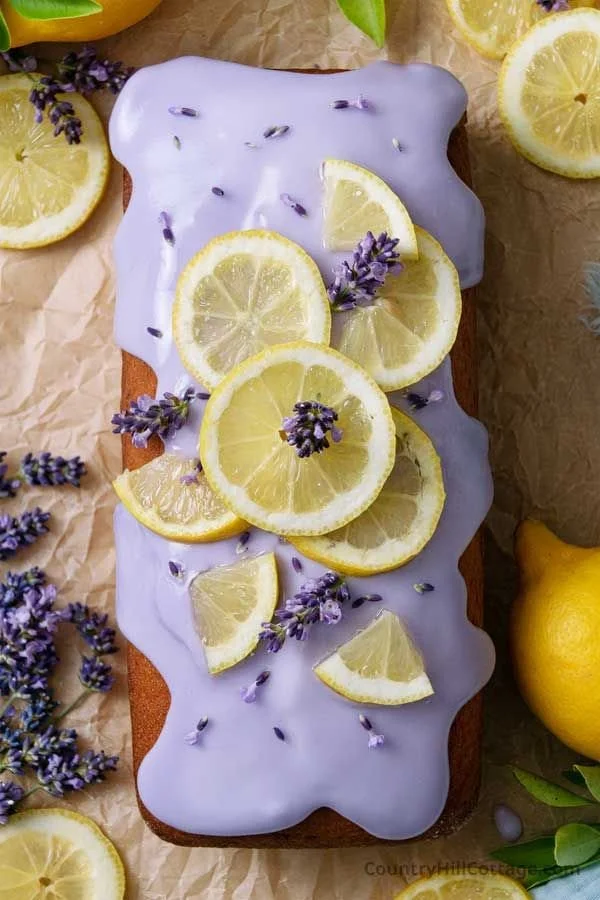
- For the glaze whisk powdered sugar with lemon juice until pourable, fold in a pinch of finely ground lavender if you like a flecked glaze. Drizzle over cooled cake.
- Let set 15 minutes before slicing.
Lessons learned: don’t overmix, and give the cake time to cool before glazing so citrus doesn’t run off.
When Lavender Meets Heat
One realization I had after several batches is about texture. Lavender doesn’t just flavor the cake; it can change perceived moisture. If your lavender is old and dusty, it will taste stale and make the crumb flatter. Use culinary lavender only. If you want less floral intensity, tie the lavender in cheesecloth and remove it after steeping; for more subtlety, grind a pinch and mix into the powdered sugar for a scented finish.
A practical substitution: replace half the butter with olive oil for a lighter crumb and a Mediterranean twist. If you’re short on sour cream, plain yogurt works. For an elegant mini version, try the adaptation in this mini lemon cakes recipe I experimented with when feeding a crowd.
The Oven’s Quiet Clues
How do you know when it’s done? Here are the signals that mean you hit it right:
- The cake pulls away slightly from the pan edges.
- The top is a pale golden, not dark.
- A skewer or toothpick comes out with a few moist crumbs, not wet batter.
- Press gently with a fingertip; the cake should spring back.
Quick tip: ovens vary. Start checking at the earlier time and rotate the pan once if your oven browns unevenly. I keep an instant-read thermometer handy; cakes are reliably done around 200–205°F (93–96°C) internal temperature.
What I Do with Leftovers
I always make one extra small pan because this cake improves a day after baking. Store wrapped at room temperature for up to 48 hours. For longer storage, freeze slices in an airtight container for up to 2 months; thaw in the fridge overnight. If the glaze softens in storage, a quick toast under a broiler for a minute revives the edges.
Serve it with understated accompaniments: a dollop of softly whipped cream, a scattering of fresh berries, or a cup of Earl Grey tea. For brunch, it pairs beautifully with a lemony ricotta spread.
Variations you might try:
- Lavender-honey glaze: swap some lemon juice for honey for a floral-sweet finish.
- Olive oil and almond: use 3/4 cup olive oil, 1 1/2 cups flour plus 1/2 cup almond flour, and omit sour cream for a denser, fragrant loaf.
- Herb swap: replace half the lavender with finely chopped rosemary for a savory counterpoint.
Practical tips scattered from my experiments:
- Zest lemons before juicing to keep zest dry and flavorful.
- Steep lavender in warm milk, not boiling, to avoid bitterness.
- Room temperature eggs and butter make smoother batter and better rise.
A final personal touch: when I make this cake now, I still think of that kitchen table and my aunt’s balcony pots. I often fold a single extra lemon zest strip into the batter in memory of that first bright bite.
Conclusion
If you want a different take or additional inspiration, this Lemon Lavender Cake Recipe – Sugar & Sparrow is a lovely reference that inspired some of my own adjustments.
Lemon Lavender Cake
Ingredients
Method
- Preheat oven to 350°F (175°C). Grease and flour a 9-inch bundt or round pan.
- Gently heat the milk until it’s steaming. Add crushed lavender, cover, and let steep for 10 minutes. Strain and cool to lukewarm.
- Whisk together flour, baking powder, and salt in a bowl. Set aside.
- In the mixer, cream butter and sugar until light and fluffy, about 3–5 minutes. Scrape in lemon zest.
- Add eggs one at a time, mixing well after each, then beat in vanilla.
- Alternately add the dry mix and the milk-sour cream mixture, beginning and ending with the dry ingredients. Mix just until combined.
- Pour batter into prepared pan and smooth the top.
- Bake for 45–60 minutes for bundt; check at 40 minutes if using a round pan. A thin knife inserted near the center should come out mostly clean.
- Cool in pan for 15 minutes, then invert onto a rack to finish cooling.
- For the glaze, whisk powdered sugar with lemon juice until pourable. If desired, fold in a pinch of finely ground lavender.
- Drizzle over cooled cake and let set for 15 minutes before slicing.