Lemon Panna Cotta with Grapes Two Ways
How I stumbled into this dessert The first time I made Lemon Panna Cotta with Grapes Two Ways it felt like a tiny kitchen miracle. I was trying to use up a ridiculous haul of Red Muscato grapes from a farmers market, and a lemon in the bowl whispered possibilities. If you want a quick…
How I stumbled into this dessert
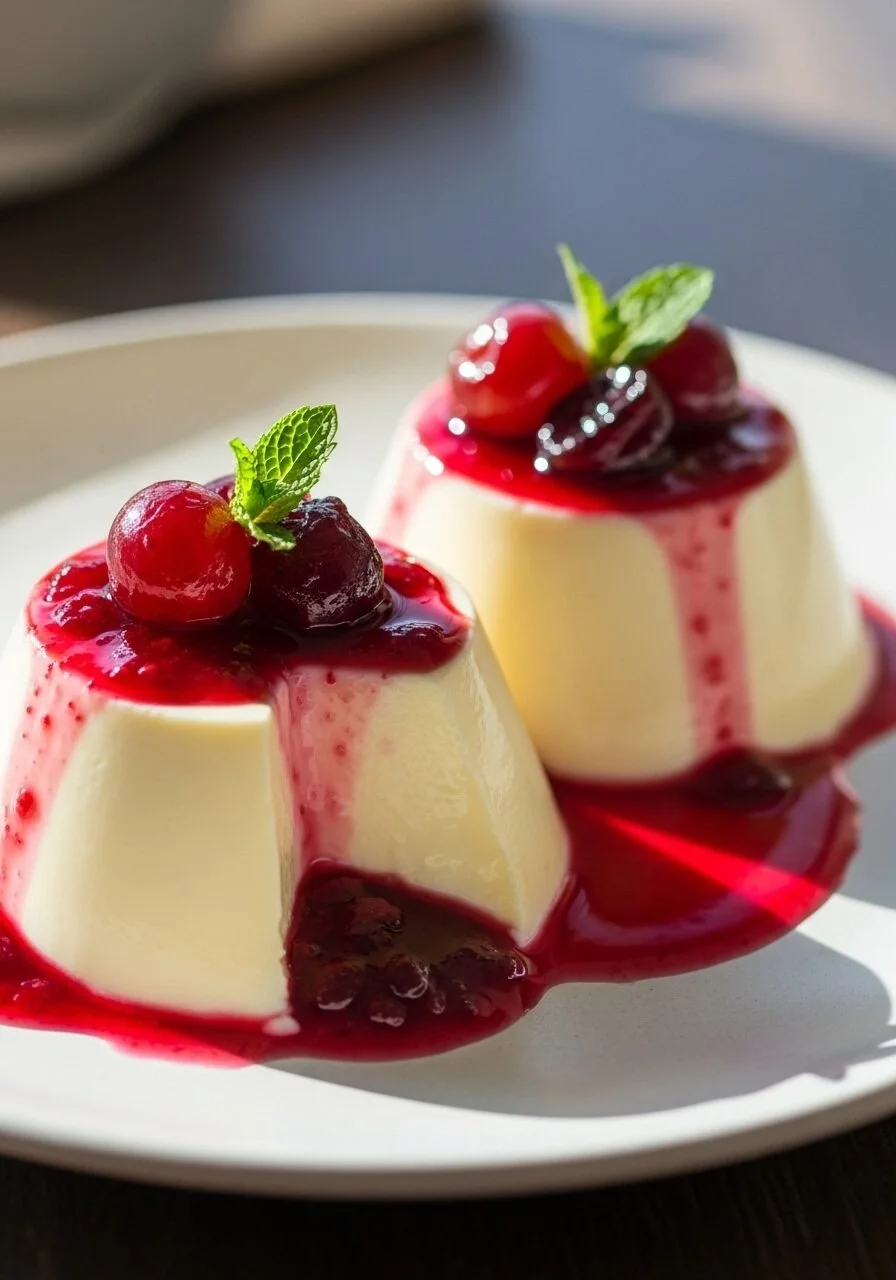
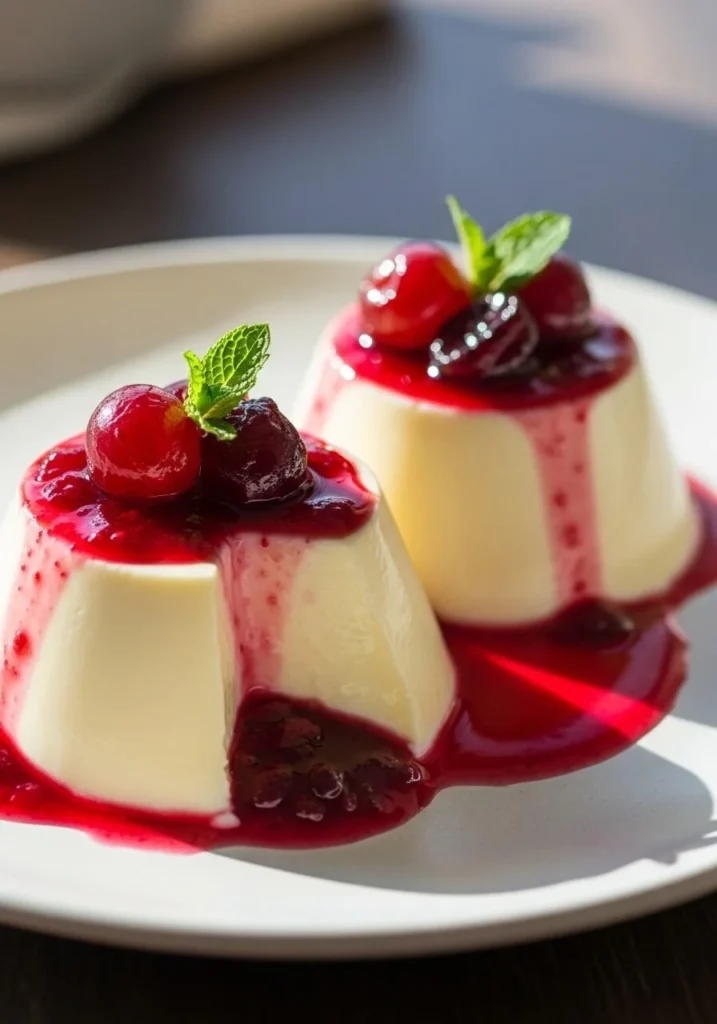
The first time I made Lemon Panna Cotta with Grapes Two Ways it felt like a tiny kitchen miracle. I was trying to use up a ridiculous haul of Red Muscato grapes from a farmers market, and a lemon in the bowl whispered possibilities. If you want a quick primer on the fundamentals before diving in, this lemon panna cotta basics is a great little read that helped me think through textures. What followed was a silky, lemony set cream crowned with both a jewel-toned grape coulis and soft roasted grapes — the contrast of bright and caramelized really sings.
The secret behind perfect Lemon Panna Cotta with Grapes Two Ways
The trickiest part of panna cotta is texture: it should wobble like a lullaby, not plop like pudding. For this recipe I always use 3 cups heavy cream and ½ cup sugar for the base, and I bloom 1 package (0.25-oz) unflavored gelatin in lemon juice — specifically 2 tbsp lemon juice — so the lemon flavor is integrated right from the start. I zest 1 ½ tsp finely grated lemon zest into the cream while it warms. Heating the cream with the sugar and lemon zest over medium-low heat until it just simmers is my golden rule; do not boil it. Boiling ruins the mouthfeel and can mute the lemon brightness.
Before the cream even hits the heat, I prepare my molds: choose eight 1/3 cup glass cups or molds and grease them lightly if you plan to unmold. That little step makes life so much easier when it’s time to plate. After the cream comes off the heat, I add the bloomed gelatin, whisk until dissolved, and strain everything through a fine-mesh sieve into a pouring jug. Pour the mixture into the prepared molds and refrigerate until set, at least 4 hours or overnight. If you’re wondering how to know it’s done, a gentle jiggle in the center with your finger should show a slight wobble but nothing liquid.
Building the grape components and a memory about roasting
The grapes are what elevate this from pretty to unforgettable. I use 1 ½ pounds Red Muscato grapes for the coulis; in a saucepan I combine those grapes with ½ tsp lemon zest, 2 ½ tbsp lemon juice, and a pinch of salt and cook them over medium heat for about 45 minutes until the grapes are completely soft. Then I strain off the solids so I’m left with a fragrant purple juice. Return that juice to the heat, stir in ½ tsp honey, and reduce for 5–8 minutes until it thickens slightly. Let it cool completely — the syrup should cling to a spoon. The smell while it reduces is intoxicating: bright lemon with a grapey perfume, almost jammy.
At the same time I preheat the oven to 375°F (190°C) and roast the remaining ½ pound Red Muscato grapes for 25–30 minutes. They shrivel a little, their skins caramelize, and they develop this smoky-sweet depth that pairs with the chilled panna cotta in a way that feels intentional and surprising. Roasted grapes are one of those small things that taste like you spent more time in the kitchen than you actually did.
A few things I’ve learned (and a handful of tips)
When I first made this I learned to never skip the 15-minute bloom: in a small bowl, I add the lemon juice and sprinkle the gelatin over it and let it bloom for 15 minutes. If the gelatin isn’t fully hydrated before you heat it, you risk gritty bits or weak set. Another tip: strain the cream after adding the gelatin. Any bits of zest or undissolved gelatin will go away and leave the panna cotta glassy smooth.
If you’re unmolding, grease your molds lightly; for glass cups I often simply present them in their glasses and let people spoon them. To know when it’s done, the center should wobble gently; if it’s still liquid, give it a couple more hours in the fridge. I also find that chilling overnight makes a denser, more satisfying wobble. If you’re short on time, you can set them in the coldest part of the fridge with an ice bath around the molds to speed things a little, but plan for at least four hours.
A couple of small tricks that save the day: if your coulis seems too thin after reduction, chill it — it will thicken more as it cools. If your roasted grapes come out too shriveled, toss a teaspoon of honey over them before roasting next time; they caramelize more evenly.
What to serve and a few variations to try
I love serving this with a dry sparkling wine, which brightens the lemon and plays nicely with the sweet grapes. For a casual gathering, shortbread cookies are an easy, buttery accompaniment. Leftovers keep well in the fridge for up to three days; keep coulis and roasted grapes in separate airtight containers and spoon them over the panna cotta just before serving. I do not recommend freezing panna cotta; the texture gets grainy.
If you want to make it your own, try a few variations: swap part of the cream for whole milk to make a slightly lighter panna cotta, add a vanilla bean for warm, floral notes, or use white grapes and a splash of elderflower liqueur in the coulis for a more floral profile. Another fun twist is adding a tablespoon of ricotta to the cream mixture for a creamier mouthfeel — if you like lemon in savory dishes too, this lemon ricotta pasta inspiration shows how well lemon and ricotta can play together.
Why I love this recipe is simple: it looks elegant but is forgiving, its components can mostly be made ahead, and it brings out the best in a humble grape. The contrast of chilled lemon cream, glossy grape coulis, and warm roasted fruit is one of those combos that makes people say, "Wow, did you make this?" My grandmother used to serve chilled creams brightened with citrus, and this feels like a modern, seasonal nod to that memory.
When things don’t go as planned
If your panna cotta is too wobbly, first check how much gelatin you used; for a firmer set you can gently warm and dissolve a tiny extra pinch of gelatin into some warmed cream and stir it in, but that’s always a last resort. If the coulis tastes flat, a small pinch of salt and a splash more lemon juice will bring it back to life. If the roasted grapes are bitter, they may have been over-roasted; aim for soft skins and glossy, slightly blistered fruit instead of shriveled raisins.
Conclusion
If you want to compare versions or see a lovely original write-up, I often return to Lemon Panna Cotta with Grapes Two Ways – The Missing Lokness for inspiration and plating ideas.
Lemon Panna Cotta with Grapes Two Ways
Ingredients
Method
- Bloom the gelatin in lemon juice for 15 minutes.
- Prepare 8 glass cups or molds by lightly greasing them.
- In a saucepan, heat cream, sugar, and lemon zest over medium-low heat until just simmering. Do not boil.
- Remove from heat, whisk in the bloomed gelatin until dissolved, then strain through a fine-mesh sieve into a jug.
- Pour the mixture into prepared molds and refrigerate until set, at least 4 hours or overnight.
- In a saucepan, combine 1.5 pounds of Red Muscato grapes, 1/2 tsp lemon zest, 2.5 tbsp lemon juice, and a pinch of salt. Cook over medium heat for about 45 minutes until soft.
- Strain off the solids to retain the juice, return it to the heat, stir in honey, and simmer for 5-8 minutes until thickened. Let cool completely.
- Preheat the oven to 375°F (190°C).
- Roast the remaining 1/2 pound of Red Muscato grapes for 25-30 minutes until shriveled and caramelized.