Lemon Rolls
I remember the first time I wanted something bright and soft for breakfast; a lemon-scented roll seemed like the obvious answer. I started by riffing on a version of a lemon-blueberry roll I once made, and that detour taught me how delicate lemon can be in enriched doughs — the citrus should sing but not…
I remember the first time I wanted something bright and soft for breakfast; a lemon-scented roll seemed like the obvious answer. I started by riffing on a version of a lemon-blueberry roll I once made, and that detour taught me how delicate lemon can be in enriched doughs — the citrus should sing but not steal the show, which is why I often revisit a lemon-blueberry roll recipe for inspiration when I want to layer flavors.
A short list of what I used (scattered across my notes and my hands): a modest amount of all-purpose flour as the structure, a little granulated sugar to feed the yeast and to sweeten, a single packet of active dry yeast to puff things up, a pinch of salt for balance, warm milk and melted butter to enrich, one egg for tenderness, and then lemon—both zested and juiced—for personality. For the finish, a simple powdered sugar glaze brightened with lemon juice sealed the deal. I like keeping the ingredients few; it clarifies technique.
Technique first, because once you see how the dough behaves the rest feels obvious.
- I warmed the milk until comfortably warm (not hot), sprinkled the yeast over it with a pinch of sugar, and waited until it bloomed — little foamy crescents that tell you the yeast is alive.
- To that I added melted butter, the beaten egg, and most of the flour, saving a small amount to adjust the dough’s feel. Salt went in later so it didn’t touch the yeast directly.
- After a short knead, the dough was elastic and sat to rise until roughly doubled. In a warmer kitchen this was about an hour; in a cooler room it took longer. If you’re patient, the dough rewards you with a softer crumb.
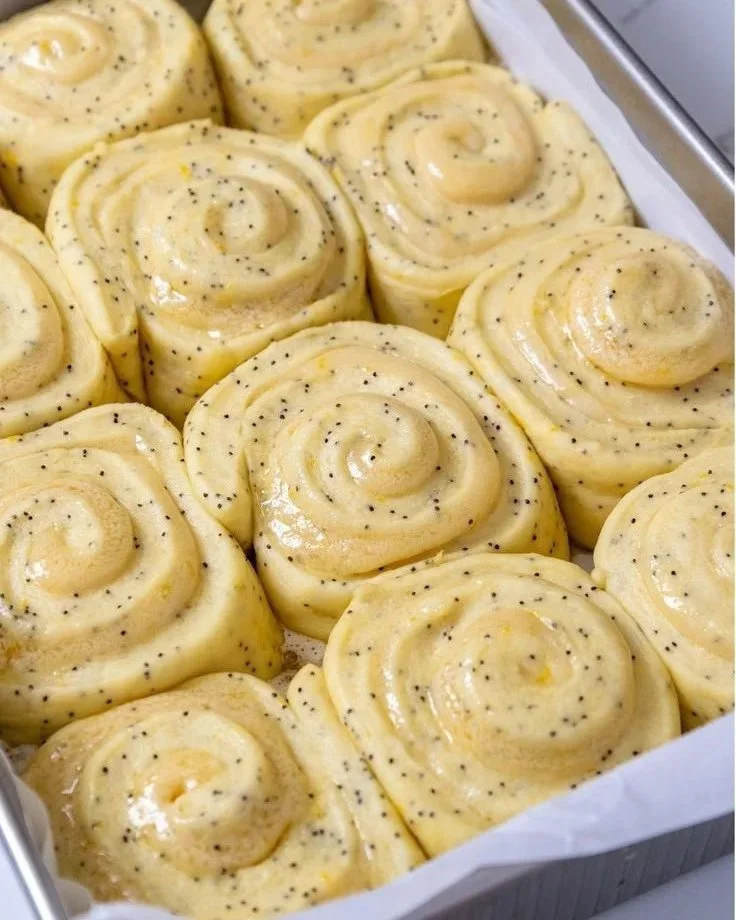
Filling: I keep it simple. Grated zest of two lemons folded with a spoonful or two of sugar creates a frangipane-like brightness; a splash of fresh lemon juice adds moisture and punch. Roll your dough into a rectangle roughly the thickness of a playing card, spread the lemon mixture across, then roll snugly into a log and slice into rounds.
I baked the rolls in a buttered pan so the sides fused slightly and the bottoms caramelized. The timing will vary by oven and pan: look for golden tops and set centers. Midway through my first batch I rotated the pan; that small move rescued a batch when my oven’s back corner runs a degree or two hotter.
Instead of rigid steps here’s what worked best for me: gentle proofing, even rolling, and a glaze applied while the rolls were still warm but not hot. The glaze I whisked up with powdered sugar and lemon juice until it flowed but wasn’t runny; it should cling, drip prettily, and leave a veil of shine. I used about a cup of powdered sugar with two tablespoons of lemon juice, adjusting to taste and texture.
A few variations that I’ve tried and would recommend:
- Add a thin smear of softened butter under the lemon-zest-sugar for richness.
- Fold in finely chopped almonds or a sprinkle of poppy seeds for texture.
- For a different citrus profile, try blending a little orange zest with the lemon.
If you prefer a more straightforward, classic take on these rolls, I often consult notes from the classic lemon roll preparations to compare proofing times and glazing ratios. And when I’m in an experimental mood I’ll riff toward something like a fruit-swirled roll; the raspberry-cinnamon rolls with lemon glaze I studied once gave me ideas about contrast and filling density, which is why I sometimes look back at that raspberry-cinnamon roll with lemon glaze for balance tips.
Storage and serving: I prefer these warm, straight from the pan, but they keep well. Wrapped airtight they hold for a day at room temperature; refrigeration tightens the crumb, so I reheat gently. If I plan ahead, I par-bake and freeze; later I defrost and warm in a low oven to freshen.
A handful of quick tips from practice:
- Zest your lemons before juicing so you don’t waste any bright oil.
- If the dough seems sticky, resist the urge to dump all the flour at once; add a tablespoon at a time.
- Taste the glaze before slathering—lemon varies in intensity and I’ve adjusted sugar depending on the sourness.
Conclusion
If you want to see a bakery-style take on this idea, In Bloom Bakery’s Lemon Rolls showcase a professional finish that I admire. For an approach that emphasizes ultra-fluffy rolls with a pronounced lemon presence, I referenced Butter Be Ready’s lemon sweet rolls when dialing texture. And for a soft, tender crumb paired with a bright glaze, I found useful technique notes in Sally’s Soft & Fluffy Lemon Sweet Rolls. One limitation I noticed: the glaze sets quickly, so if I get distracted the glossy swirl becomes matte and less attractive—timing matters more than I expected.
Lemon Blueberry Rolls
Ingredients
Method
- Warm the milk until comfortably warm, sprinkle the yeast over with a pinch of sugar and let bloom.
- Add melted butter, beaten egg, and most of the flour to the yeast mixture, saving some flour for adjustments.
- Incorporate salt later to ensure it doesn't touch the yeast directly.
- Knead until the dough is elastic and let rise in a warm place until doubled, about 1 hour.
- Mix the grated zest of two lemons with sugar to create the filling.
- Roll the dough into a rectangle, spread the lemon mixture over it, then roll into a log and slice into rounds.
- Place the rolls in a buttered pan and bake until golden, approximately 20 minutes, rotating the pan halfway through.
- Whisk powdered sugar and lemon juice together for the glaze, adjusting until it clings but isn't runny.
- Glaze the rolls while they're still warm and serve immediately or store appropriately.