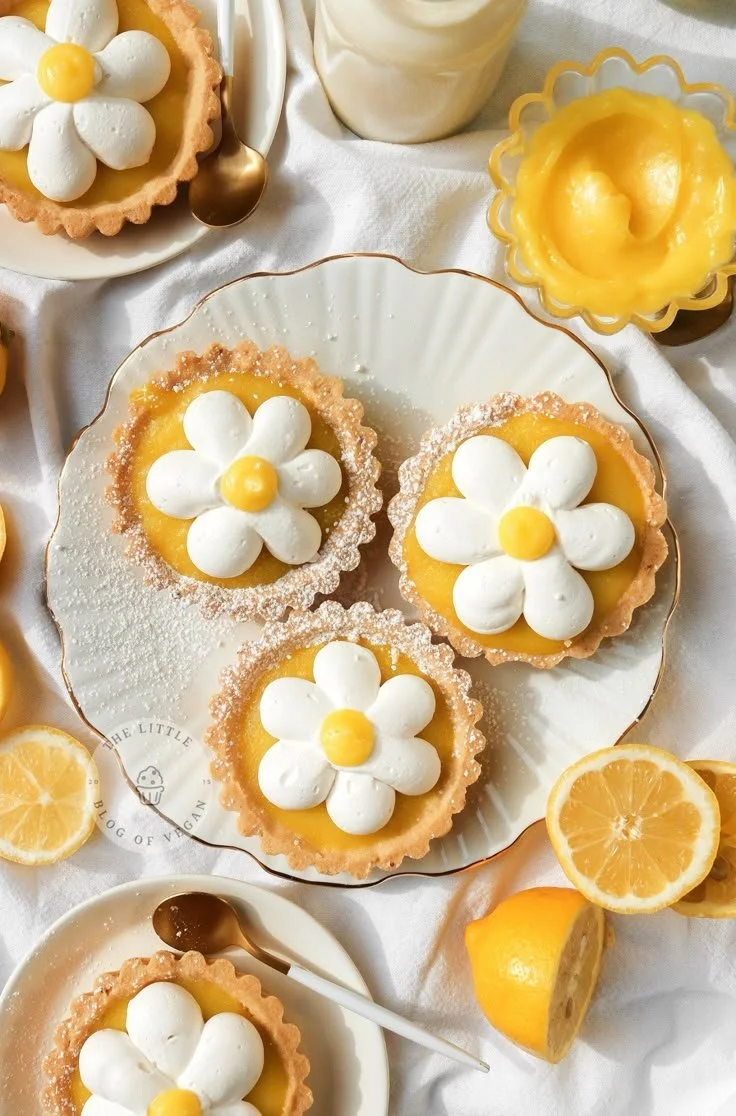
Mini Vegan Lemon Tarts
Want a tiny tart that tastes like sunshine? If you’ve ever wanted a portable burst of lemon that isn’t overloaded with butter or eggs, this is the kind of recipe that quietly wins breakfast, dessert, and mid-afternoon crankiness. I still remember testing a first batch in a sleepy kitchen and thinking, “Why do we make…
Want a tiny tart that tastes like sunshine?
If you’ve ever wanted a portable burst of lemon that isn’t overloaded with butter or eggs, this is the kind of recipe that quietly wins breakfast, dessert, and mid-afternoon crankiness. I still remember testing a first batch in a sleepy kitchen and thinking, “Why do we make lemon curd so complicated?” That curiosity nudged me toward a stripped-back, vegan mini tart that’s quick, predictable, and bright. If you like comparing notes, you can also see a similar take in this mini vegan lemon tarts at WiseRecipes which inspired part of my approach.
The Short List for Tiny Tarts
- 1 cup all-purpose flour
- 1/4 cup coconut oil or vegan butter
- 2 tablespoons maple syrup
- 1/4 teaspoon salt
- 1/4 cup lemon juice
- 1/4 cup sugar
- 1/4 cup cornstarch
- 1 cup water
- 1 teaspoon vanilla extract
- Coconut cream for topping
Discovery: how simple things stopped getting in my way
I used to believe tart crusts had to be flaky, buttery, and high-maintenance. Then I learned that for mini tarts, a compact, slightly sweet crust does the job and lets the curd be the star. The coconut oil or vegan butter blends with flour, maple syrup, and salt to create a pressable dough that holds its shape in miniature pans. That tiny size means less oven time and a sturdier tart shell—perfect for picnics, potlucks, or when you want a dessert that doesn’t require a fork.
The method (yes, the full sequence)
- Preheat the oven to 350°F (175°C).
- In a bowl, mix flour, coconut oil, maple syrup, and salt to form a dough.
- Press the dough into a mini tart pan and bake for 10-12 minutes until golden.
- In a saucepan, whisk together lemon juice, sugar, cornstarch, and water over medium heat until thickened.
- Remove from heat and add vanilla extract.
- Fill baked crusts with lemon curd and let cool.
- Top with coconut cream before serving.
The Golden Window
One of the first discoveries was how obvious “done” can be. The crust is ready when the edges turn a warm golden brown and the center feels set when you tap the pan gently—about 10 to 12 minutes in a 350°F (175°C) oven. For the curd, you’re watching for a visual change: the liquid will go from translucent to glossy and noticeably thicker as the cornstarch activates. Once it clings to the back of a spoon and coats it evenly, remove from heat and whisk in the vanilla. That’s your cue to stop cooking—the curd will continue to firm as it cools.
Lessons learned (practical tips)
- Dough press: Press the crust firmly and evenly into each mini well so the curd doesn’t pool against a thin edge and cause leaks.
- Temperature patience: Let the lemon curd cool slightly before pouring into the warm shells; very hot curd can soften the crust.
- Coconut cream tip: Chill a can of coconut cream overnight, scoop the solidified top layer, and whip a touch for a luscious finish.
A few ways to bend the recipe
- Swap-ins that work: If you prefer a neutral fat, use vegan butter instead of coconut oil for a less coconut-forward crust. For a lower-sugar curd, trim the sugar by a tablespoon or two.
- Fruit-forward twist: Fold a few tiny fresh blueberry halves into the curd just before it sets for a summery burst; if you like cheesecake hybrids, see these lemon and blueberry cheesecake tarts for inspiration.
- Cheesecake crossover: Want texture like a creamy tart? Try topping the baked shells with a spoonful of firm vegan cream cheese before adding curd, similar to these healthy mini lemon-blueberry cheesecakes.
How to know when you nailed it
Color and texture tell the story. The crust should be golden but not burnt, with a slight spring under a finger. The curd should sit glossy and thick in the shell, holding its shape when you tilt the tart. If the curd is runny after cooling, it either needed more time on the stove to thicken, or the cornstarch measurement was off—stir and cook it a minute longer next time.
What I do differently now
I stopped overworking the dough. Pressing rather than rolling keeps the crust tender and reduces handling. I also learned to flavor the coconut cream topping with just a tiny pinch of maple syrup or lemon zest—enough to enhance, not overwhelm.
Serving ideas I actually use
These mini tarts are lovely on a dessert platter with macerated berries or alongside espresso for an after-dinner treat. For a brunch crowd, arrange them with scones and a pitcher of sparkling water with lemon slices. A small dollop of lightly sweetened coconut cream makes them feel indulgent without dairy.
Leftovers and next-day plans
Store finished tarts in a single layer in the refrigerator, covered, for up to 4 days. If you’re saving plain crusts, keep them in an airtight container for up to 3 days and fill them just before serving for maximum crispness. You can freeze baked, unfilled shells for up to a month; thaw before filling. If the coconut cream firms too much in the fridge, let it sit at room temperature 10 minutes, then whisk gently.
A tiny confession
Once, I overcooked a whole pot of curd while distracted by a phone call. The lesson: curd can go from glossy to gluey fast. I scraped it into jars, reheated gently with a splash of water, and still served it—nobody complained. Imperfect batches make good breakfasts smeared on toast.
If you’re curious about timing, equipment, or substitutions, read on or skim back through the numbered method above—the sequence is short and forgiving. The recipe scales easily: double the curd if you’re feeding a crowd, and bake the shells a minute or two longer if you use a larger pan.
Conclusion
If you’d like to compare this take with another vegan version and see photos of the process, this blog post on Mini Vegan Lemon Tarts is a great visual companion to this recipe.
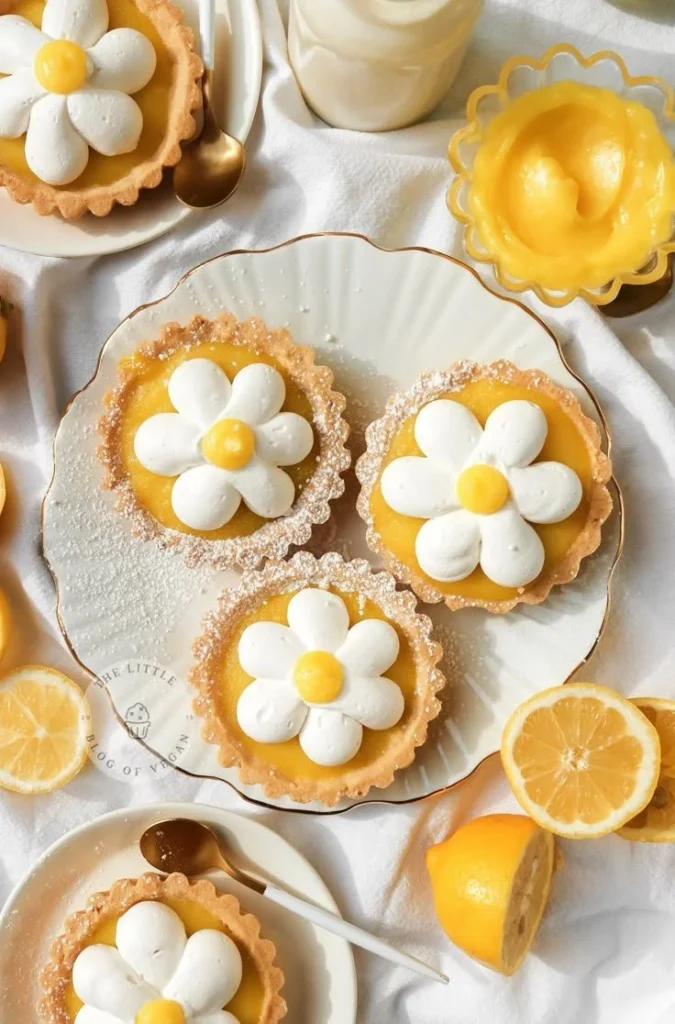
Tiny Vegan Lemon Tarts
Ingredients
Method
- Preheat the oven to 350°F (175°C).
- In a bowl, mix flour, coconut oil, maple syrup, and salt to form a dough.
- Press the dough into a mini tart pan and bake for 10-12 minutes until golden.
- In a saucepan, whisk together lemon juice, sugar, cornstarch, and water over medium heat until thickened.
- Remove from heat and add vanilla extract.
- Fill baked crusts with lemon curd and let cool.
- Top with coconut cream before serving.