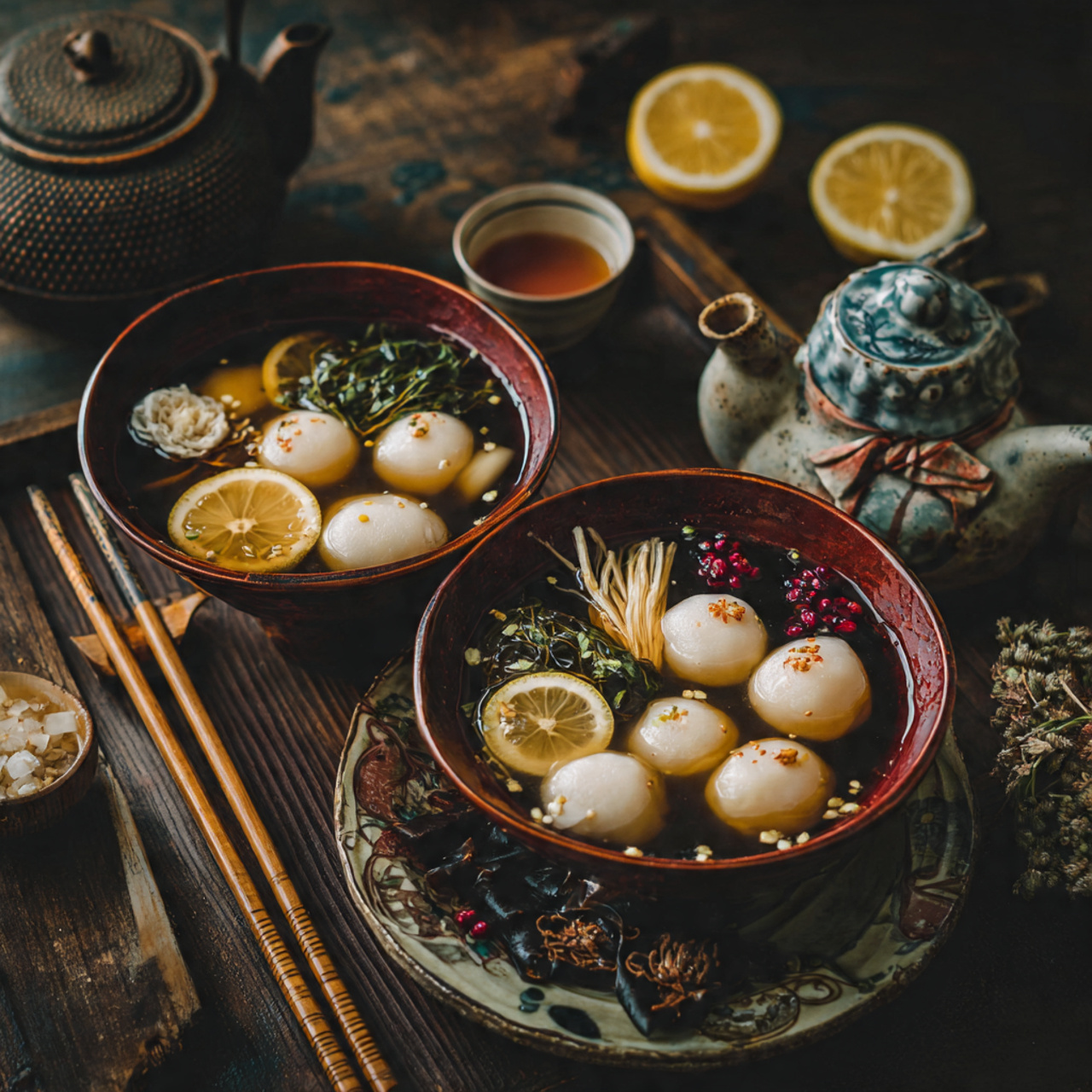
The Ultimate Nagoya Style Ozoni (Japanese New Year’s Soup!)
Imagine a warm, deeply comforting, and beautifully elegant soup to welcome the New Year. Picture a crystal-clear, savory dashi broth, filled with tender bites of pan-fried chicken, vibrant green spinach, and the most delightful, soft, and chewy toasted mochi rice cakes. That, my friends, is the traditional, soul-warming magic of Ozoni, the quintessential Japanese New…
Imagine a warm, deeply comforting, and beautifully elegant soup to welcome the New Year. Picture a crystal-clear, savory dashi broth, filled with tender bites of pan-fried chicken, vibrant green spinach, and the most delightful, soft, and chewy toasted mochi rice cakes. That, my friends, is the traditional, soul-warming magic of Ozoni, the quintessential Japanese New Year’s soup. This Nagoya-style version is a perfect, simple, and stunning dish to celebrate a fresh start.
I promise you, there is no greater feeling than enjoying this special soup on New Year’s Day. The star of the show is the mochi—toasted or simmered until it’s soft, stretchy, and wonderfully chewy, it represents longevity and good fortune for the year ahead. Paired with the savory chicken and fresh greens, it is a perfect harmony of textures and flavors.
Get ready to embrace a beautiful Japanese tradition and create a stunning, delicious, and deeply meaningful soup that is the perfect way to ring in a prosperous and happy New Year.
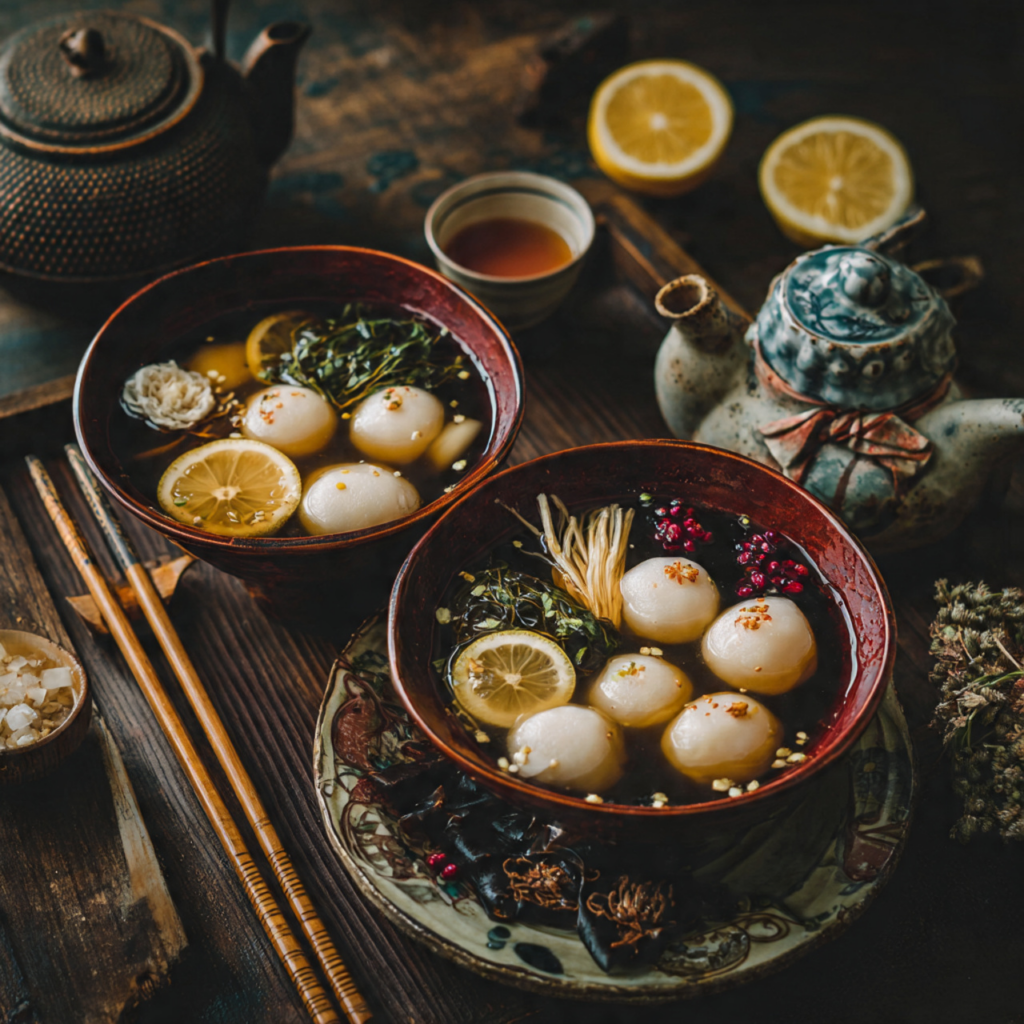
Why Ozoni is the Perfect Way to Start the New Year
You are going to fall in love with the simple elegance and comforting flavors of this traditional Japanese soup. It’s a truly special dish. Here’s why:
- A Beautiful and Meaningful Tradition: Ozoni is the most important dish of the Japanese New Year, symbolizing good health, fortune, and longevity. It’s a wonderful tradition to adopt.
- Incredibly Comforting and Restorative: The light, savory dashi broth and simple, clean ingredients make this a wonderfully warming and nourishing soup, perfect for a cold winter’s day.
- The Magic of Mochi: The soft, chewy texture of the simmered mochi rice cakes is a unique and completely delightful experience that makes this soup truly special.
Recipe Snapshot
| Prep Time | 10 minutes |
| Cook Time | 10 minutes |
| Total Time | 20 minutes |
| Servings | 4 servings |
| Calories | 303 kcal per serving |
| Course | Appetizer, Soup |
| Cuisine | Japanese |
| Difficulty/Method | Easy / Stovetop |
Your Shopping List for This Traditional Soup
This beautiful soup comes together with a handful of classic Japanese ingredients.
→ For the Ozoni Soup
- 1 tsp cooking oil → For pan-frying the chicken.
- 100g boneless chicken thigh or breast → Cut into small, bite-sized pieces. Thigh is recommended for more flavor.
- 100g Japanese mustard spinach (komatsuna) → A leafy green with a mild flavor. Regular spinach is a perfect substitute.
- 4 pieces cut rice cakes (kirimochi) → These are hard, dry blocks of mochi found in the Asian aisle. They are essential!
- 400ml dashi stock → The savory, umami-rich broth base. You can make it from scratch or use instant dashi powder.
- ½ tsp water + ¼ tsp sugar → A halal-friendly substitute for mirin, to add a touch of sweetness.
- 2 tsp Japanese soy sauce (koikuchi shoyu) → For seasoning the broth.
- Bonito flakes (katsuobushi) → A traditional, savory garnish that adds a final touch of umami.
Let’s Make Ozoni! Your Step-by-Step Guide
Ready to create a beautiful and meaningful New Year’s soup? It’s quicker and easier than you think!
Part 1: Prepare the Toppings
- Cook the Chicken: Heat the cooking oil in a small frying pan over medium heat. Add the bite-sized chicken pieces, season with a pinch of salt, and fry until they are cooked through and lightly browned. Remove the pan from the heat and set aside.
- Blanch the Greens: Bring a small pot of salted water to a rolling boil. Add the komatsuna (or spinach) and cook for just 30 seconds. Immediately transfer the greens to a bowl of ice water to stop the cooking and lock in the bright green color. Drain and set aside.
Part 2: The Broth and Mochi
- Simmer the Mochi: In a clean pot, add the dashi stock, the water-sugar mixture, and the 4 pieces of kirimochi. Bring to a gentle simmer over a low heat. Cook until the mochi is soft and pliable on the outside. Avoid boiling, and if your pot is small, cook them in a single layer.
- Finish the Broth: Once the mochi has softened, add the soy sauce and the cooked chicken to the pot. Let everything simmer together for just 1 minute to heat the chicken through and meld the flavors.
Part 3: Assemble Your Beautiful Bowls
- Build the Bowl: Carefully place one piece of the softened mochi in each of your four serving bowls. Ladle the hot dashi broth and chicken pieces over the mochi.
- Garnish and Serve: Squeeze all the excess water out of your blanched greens. Artfully arrange a small portion of the greens in each bowl. Top with a final sprinkle of bonito flakes (katsuobushi) and serve immediately while the mochi is warm and soft.
Nagoya Style Ozoni (Japanese New Year’s Soup with Mochi)
Ingredients
Equipment
Method
- Heat cooking oil in a frying pan on medium. Add the chicken thigh pieces, season with a pinch of salt, and fry until cooked through. Remove from heat.
- Bring a small pot of salted water to a boil. Add the Japanese mustard spinach (komatsuna) and boil for 30 seconds. Immediately transfer it to a bowl of ice water to stop the cooking, then drain and set aside.
- In a separate pot, add the dashi stock, water, sugar, and the kirimochi pieces. Simmer over a low heat until the mochi is soft on the outside. Do not boil.
- Once the mochi is softened, add the soy sauce and the cooked chicken. Simmer for 1 minute to heat through.
- To serve, place one piece of softened mochi in each of the 4 bowls. Ladle the broth and chicken over the top.
- Squeeze the excess water from the komatsuna and place a small amount in each bowl. Garnish with a sprinkle of bonito flakes and serve immediately.
Notes
WiseRecipes’ Top Tips for Perfect Ozoni
These simple secrets will help you master this beautiful and traditional Japanese soup.
- Don’t Boil the Mochi. The key to perfect, soft, and chewy mochi is a gentle simmer. If you boil it too vigorously, it can start to dissolve and fall apart, making your broth cloudy.
- Ice Bath is Essential for Greens. Plunging the blanched spinach into an ice bath (a process called “shocking”) is a professional trick that immediately stops the cooking process. This is the secret to keeping your greens a vibrant, beautiful green instead of a dull, olive color.
- Squeeze the Greens Dry. Before adding the greens to the finished soup, make sure you squeeze out as much water as you can with your hands. This prevents the excess water from diluting your beautiful, flavorful dashi broth.
- Toasting the Mochi. For an alternate, delicious texture, you can toast the dry kirimochi in a toaster oven or a dry frying pan until it puffs up and gets golden brown spots before adding it to the bowl and pouring the hot soup over it.
- Use Quality Dashi. Since the dashi is the soul of this soup, its flavor is paramount. Using a good quality homemade or instant dashi will make a world of difference in the final taste of your Ozoni.
Keep It Fresh! Storing Leftover Soup
Ozoni is a dish that is truly at its best when it is made and eaten fresh.
- Storage: The mochi will continue to soften and can become mushy if stored in the broth for a long time. If you have leftovers, it’s best to store the broth and any toppings separately from the mochi in the refrigerator for up to 2 days. The mochi is best cooked fresh just before serving.
FAQs: Your Ozoni Questions, Answered!
What is kirimochi?
Kirimochi are hard, unsweetened, shelf-stable rice cakes made from glutinous rice. They are a staple in Japanese pantries and are the traditional type of mochi used for Ozoni. You can find them in vacuum-sealed packages at most Asian grocery stores or online.
What is komatsuna and what can I substitute?
Komatsuna, or Japanese mustard spinach, is a leafy green with a mild, pleasant flavor. The best and easiest substitute is regular fresh spinach. Mizuna or even bok choy leaves would also work well.
What can I use as a substitute for dashi?
Dashi provides a unique, savory umami flavor. If you absolutely cannot find it, you can substitute it with a very light chicken or vegetable broth, but the final soup will have a different flavor profile from traditional Ozoni.
Can I make this vegetarian?
Yes, easily! Simply omit the chicken and use a kombu (kelp) or shiitake-based dashi for a delicious vegetarian broth. You can add some sliced shiitake mushrooms or small cubes of firm tofu to the broth for extra substance.
Final Thoughts: A Beautiful Start to the New Year
There is nothing more special than participating in a time-honored tradition to welcome a new beginning. This Nagoya-style Ozoni is a perfect way to do just that—it’s a dish that is light, nourishing, and full of symbolism and hope for the year ahead. I hope it brings a touch of worldly elegance and comforting warmth to your New Year’s celebration. Akemashite omedetou gozaimasu—Happy New Year!