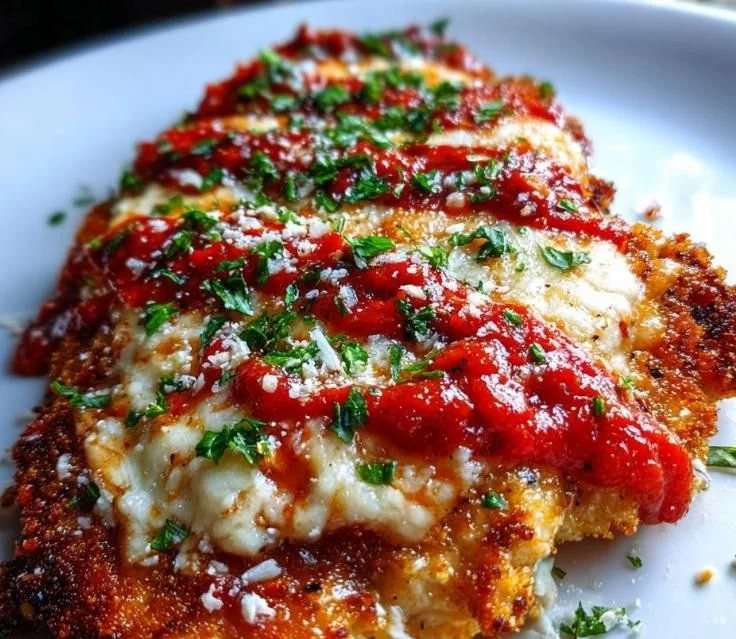
One-Pan Juicy Chicken with Balsamic Sauce
A rainy-night discovery: One-Pan Juicy Chicken with Balsamic Sauce I’ll never forget the first time I made One-Pan Juicy Chicken with Balsamic Sauce for friends—there was that sound of tomatoes popping and the kitchen smelled like caramelizing vinegar and warm basil, and everyone lingered at the table. If you like food that looks impressive but…
A rainy-night discovery: One-Pan Juicy Chicken with Balsamic Sauce
I’ll never forget the first time I made One-Pan Juicy Chicken with Balsamic Sauce for friends—there was that sound of tomatoes popping and the kitchen smelled like caramelizing vinegar and warm basil, and everyone lingered at the table. If you like food that looks impressive but feels like something you could throw together after work, this is my go-to. I learned a few things from other chicken recipes over the years, like when I adapted techniques from a favorite sandwich recipe I keep coming back to Cajun Crispy Chicken Sandwich with Garlic Aioli, and those small tweaks made a big difference here.
The ingredients are straightforward: four chicken breasts, two tablespoons balsamic vinegar, a cup of cherry tomatoes halved, a cup of mozzarella cheese shredded or sliced, fresh basil leaves for garnish, salt and pepper to taste, and two tablespoons olive oil. I say that out loud like I’m telling a friend what to grab at the store—no measuring freak-out required.
The Secret Behind Perfect One-Pan Juicy Chicken with Balsamic Sauce
I start by remembering one sentence from the recipe and letting it set the pace: 1. Preheat your oven to 400°F (200°C). That little step gives you the confidence to move fast once the stovetop gets hot. Next, heat your skillet: 2. In a large oven-safe skillet, heat olive oil over medium-high heat. I like using a heavy skillet because it gives a beautiful sear and then slides straight into the oven, which saves cleaning and time.
Season those chicken breasts well with salt and pepper and don’t be shy—3. Season the chicken breasts with salt and pepper, then add to the skillet, cooking for about 6-7 minutes on each side until browned. When the skinless breasts develop a golden crust, the kitchen fills with a toasty, nutty aroma that always makes me think of dinner conversations to come. A quick tip: if your breasts are uneven, give them a light pound so they cook uniformly. That’s my first trick and it keeps the thick bits from being underdone.
Getting the Texture Just Right
Once both sides are seared and you’re tempted to rush, slow down for a second and pour in flavor: 4. Pour balsamic vinegar over the chicken and add the cherry tomatoes. The vinegar sizzles, the tomatoes begin to soften and break, and the sauce becomes this glossy, tangy bath that clings to the meat. I sometimes toss in a tiny pinch of sugar if my balsamic is too sharp, but often I like the natural sweetness that comes from the roasted grapes.
Then the fun and slightly naughty part—cheese: 5. Top with mozzarella cheese and transfer the skillet to the oven. The mozzarella melts into pools that keep the chicken unbelievably juicy under a melty blanket. My second trick is to use a mix of shredded and thinly sliced mozzarella if I have both; the shredded melts into crevices while the slices make those beautiful strings when you pull a piece apart.
Timing, Doneness, and the Oven Moment
Now for the oven: 6. Bake for 15-20 minutes, or until the chicken is cooked through and the cheese is melted. For me, “cooked through” is less about a specific minute than a feel—juices that run clear, the cheese bubbling, and an internal temperature of 165°F if I’m being precise. I always nudge the edge of a breast with tongs; it should feel firm but give a little. When I pull the skillet out, there’s this rich, slightly sweet smell with roasted tomato fragrance and hot, melted cheese—that’s when I know it’s right.
Before serving I do the finishing flourish: 7. Garnish with fresh basil before serving. The basil doesn’t just add color; it brightens the whole pan and cuts through the richness. My third trick is to toss a few basil leaves in right before plating and scatter a couple more after, so there’s that fresh herb scent every bite.
Little Changes I Make and a Few Variations
I love this recipe because it’s forgiving and I can tweak it without losing what makes it great. Sometimes I swap mozzarella for crumbled goat cheese for a tangier finish, or I add a tablespoon of honey to the balsamic for a glazed, almost sticky top. If I want heartier, I’ll use bone-in chicken thighs instead of breasts—longer cook time but extra flavor. Another variation is adding mushrooms or sliced red onion when the tomatoes go in; they roast down and add earthiness. If you like spicier food, a pinch of red pepper flakes in the pan when searing gives a gentle kick.
When I talk about variations I also think of other cuisines; this dish pairs well with the bright, herb-forward flavors I admire in a favorite shawarma-inspired dish, which is why I sometimes reference ideas from Chicken Shawarma with Garlic Sauce for serving or side inspiration.
What to Serve, How to Store, and a Small Memory
This dish is a powerhouse with plain pasta tossed in olive oil, a simple green salad, or slices of crusty bread to mop the balsamic sauce. My family’s favorite is to spoon the chicken and sauce over buttery mashed potatoes on rainy nights; it feels like a warm hug.
If you have leftovers, let the pan cool a bit then move everything to an airtight container. I store it in the refrigerator for up to three days. Reheating in a 350°F oven for 10-12 minutes keeps the texture nicer than a microwave. If I’m heading out and want to make this ahead, I’ll sear the chicken, cool it, and then assemble the tomatoes and cheese in the pan; then cover and refrigerate for up to a day before baking. That ease is part of why I love this recipe so much—it’s flexible for real life.
A small memory sticks with me: the first time my kids helped me halve the cherry tomatoes, they pretended they were little red moons parachuting into the pan. We laughed, the kitchen sounded like summer, and the tomatoes burst into the vinegar bath with tiny pops. Food is always better with that kind of noise.
A Few Things I’ve Learned
If something goes wrong—say the chicken looks dry—chances are it was overcooked or the pan wasn’t hot enough to seal in juices. Let the chicken rest for five minutes after baking; carry-over heat finishes it and keeps everything juicy. And if you’re worried about the balsamic being too assertive, taste as you go—two tablespoons of balsamic vinegar is my baseline, but sometimes I dial back if it’s particularly sharp.
For another idea of a bold, herbaceous take on grilled chicken that pairs well with leftover slices from this pan, I like to riff on recipes like Chimichurri Grilled Chicken Bowl with Garlic Sauce when I want a totally different dinner vibe.
Conclusion
If you want similar one-pan inspiration, I often look at a few trusted recipes to spark ideas, like this Skillet Balsamic Chicken Breasts – Easy Weeknight Recipes which reminded me to be bold with searing, or this version with a slightly different twist Baked Balsamic Chicken Recipe – Little Broken that gave me fresh plating ideas. For a great marinade perspective that complements the flavors here, I check out Easy Balsamic Chicken Recipe {Best Marinade!}. Try this when you want dinner that smells like comfort but looks like effort; it’s the kind of meal that keeps friends talking long after the plates are cleared.
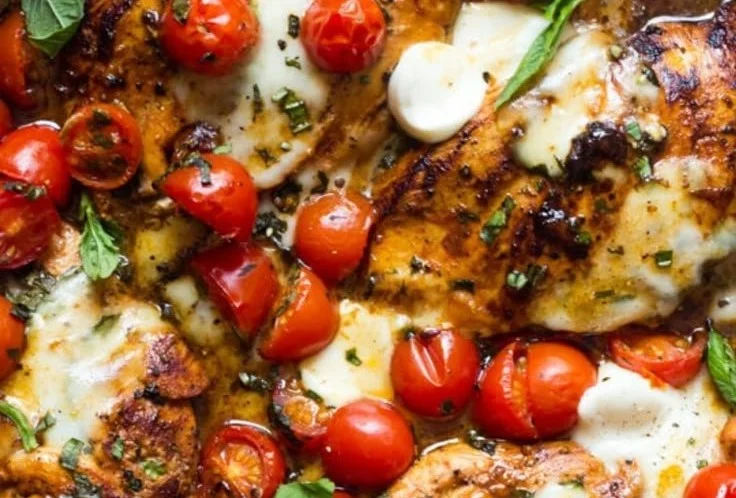
One-Pan Juicy Chicken with Balsamic Sauce
Ingredients
Method
- Preheat your oven to 400°F (200°C).
- In a large oven-safe skillet, heat olive oil over medium-high heat.
- Season the chicken breasts with salt and pepper on both sides.
- Add the chicken to the skillet and cook for about 6-7 minutes on each side until browned.
- Pour the balsamic vinegar over the chicken and add the halved cherry tomatoes.
- Top with mozzarella cheese and transfer the skillet to the oven.
- Bake for 15-20 minutes or until the chicken is cooked through and the cheese is melted.
- Garnish with fresh basil before serving.