Pan Seared Ribeye Steak
The Magic of Pan Seared Ribeye Steak There’s just something undeniably special about a perfectly cooked ribeye steak. The sizzle as it hits the pan, the aroma that wafts through the kitchen, and then that first, glorious bite—it’s like a culinary hug. I’ve experimented with different cuts of meat over the years, but the richness…
The Magic of Pan Seared Ribeye Steak
There’s just something undeniably special about a perfectly cooked ribeye steak. The sizzle as it hits the pan, the aroma that wafts through the kitchen, and then that first, glorious bite—it’s like a culinary hug. I’ve experimented with different cuts of meat over the years, but the richness and tenderness of ribeye always draw me back. If you’re looking to impress someone or simply treat yourself, let me share the secrets to my all-time favorite Pan Seared Ribeye Steak.
Why Ribeye Steaks Make the Best Dinners
When I first discovered ribeye steaks, it was love at first taste. The marbling is what gets me every time—those beautiful flecks of fat running through the meat. This isn’t just for show; it’s what makes each bite incredibly juicy and flavorful. Plus, they’re not as intimidating as they might look. With a few straightforward steps, you can make a restaurant-quality dish right in your own kitchen.
Setting the Stage: Preparation is Key
One thing I’ve learned about cooking steak is that patience pays off. Before I even think about firing up the skillet, I take my ribeye steak out of the fridge and let it sit at room temperature for about 30 minutes. This step is essential for getting an even cook throughout the meat. While the steak warms up, I’m busy gathering everything I need. For this recipe, you’ll want a beautiful ribeye steak, some salt and pepper to season generously, a couple of cloves of garlic, butter for richness, and fresh herbs—thyme or rosemary, maybe—if you’re feeling fancy.
Getting that Perfect Sear
Now, onto the exciting part! I heat my trusty cast-iron skillet over medium-high heat. You want that pan to be very hot for the best sear. Adding the steak to a hot pan is one of the most satisfying parts—it should sizzle when it touches the surface. I typically let it sear there for about 4 to 5 minutes. Here’s a trick: don’t move it around too much. Let it form that beautiful crust before flipping it.
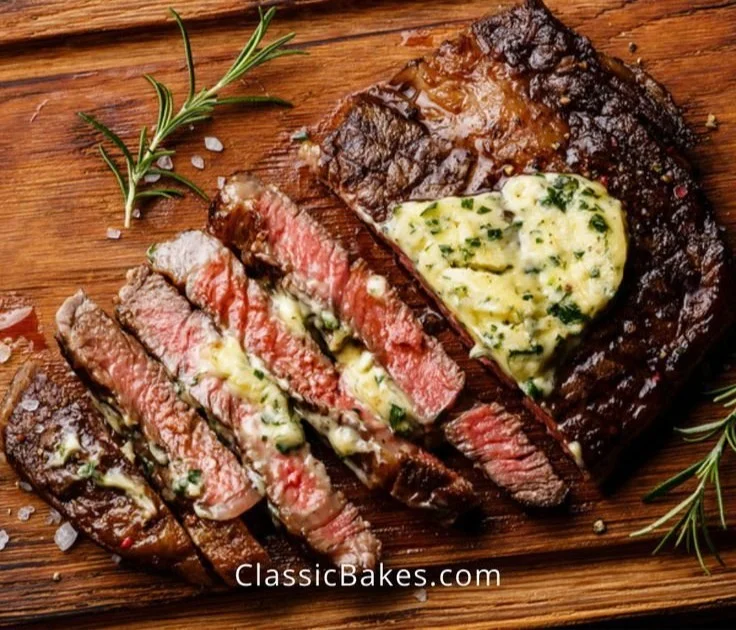
Once that side has developed a lovely golden crust, I flip the steak. This is when things get really indulgent. I toss in a couple of cloves of garlic (smashed with the side of my knife, of course) and a generous pat of butter. The butter melts and mingles with the garlic, creating this rich, fragrant sauce that I can’t resist spooning over the steak as it cooks. I let the steak continue cooking for another 4 to 5 minutes for a perfect medium-rare. If you’re unsure, you can check doneness with a meat thermometer—about 130 degrees Fahrenheit is your magic number for that medium-rare perfection.
Letting it Rest for the Best Flavor
Once that ribeye is cooked to your liking, it’s time to let it rest. I usually transfer it to a cutting board and cover it loosely with foil, letting it rest for about 5 to 10 minutes. This is crucial! This resting period allows the juices to redistribute throughout the steak, ensuring every slice is as juicy as can be.
The Finishing Touches
Just before serving, I like to sprinkle some fresh herbs on top if I have any on hand. Not only does it add a lovely touch of color, but it also elevates the flavor. There’s something about the aroma of fresh thyme or rosemary that makes this dish feel complete.
A Few Personal Tips
Cooking steaks is a bit of an art, and with practice, you’ll find what works for you. One tip I swear by is to let the meat come to room temperature. Also, I often tweak the cooking time a bit based on how thick the steak is. But no worries if it isn’t perfect the first time! That’s how you learn. If you ever find yourself with leftovers—though that’s rare in my house—you can store them in an airtight container in the fridge for up to three days. Just make sure to reheat gently on the stovetop or in a pan to avoid drying it out.
Serving it Right
I love to pair my ribeye with simple sides that let the steak shine—think roasted vegetables or a classic baked potato with a little sour cream and chives. A crisp salad can also be fantastic alongside it. The goal is to complement the rich flavors of the steak without overwhelming them.
Variations to Try
While I adore this classic method, sometimes I like to mix things up. You could add a splash of red wine to the pan after flipping the steak for a rich sauce, or even sprinkle some smoked paprika on the steak before searing it for extra depth. Experimentation is half the fun in cooking!
Final Thoughts
This Pan Seared Ribeye Steak has become a staple in my culinary repertoire, and I hope it finds its way into yours, too. It’s one of those recipes that not only nourishes but also brings people together around the table. Celebrate the simplicity of a fantastic cut of meat with this technique, and you’ll find that it’s a dish you can be proud to serve.
Everyone deserves to enjoy a good steak now and then, and with this recipe in your arsenal, you’ll be ready to treat yourself or impress your guests without breaking a sweat. Now, go ahead and get cooking; that ribeye won’t pan-sear itself!
Pan Seared Ribeye Steak
Ingredients
Method
- Remove the ribeye steak from the fridge and let it sit at room temperature for about 30 minutes.
- Heat a cast-iron skillet over medium-high heat until very hot.
- Season the steak generously with salt and pepper.
- Place the steak in the hot skillet and sear for about 4 to 5 minutes without moving it to develop a crust.
- Flip the steak and add the smashed garlic and butter to the pan.
- Continue cooking for another 4 to 5 minutes for a medium-rare doneness.
- Check the temperature; it should reach about 130°F for medium-rare.
- Transfer the steak to a cutting board and cover it loosely with foil; let it rest for 5 to 10 minutes.
- Serve the steak sliced with a sprinkle of fresh herbs on top.