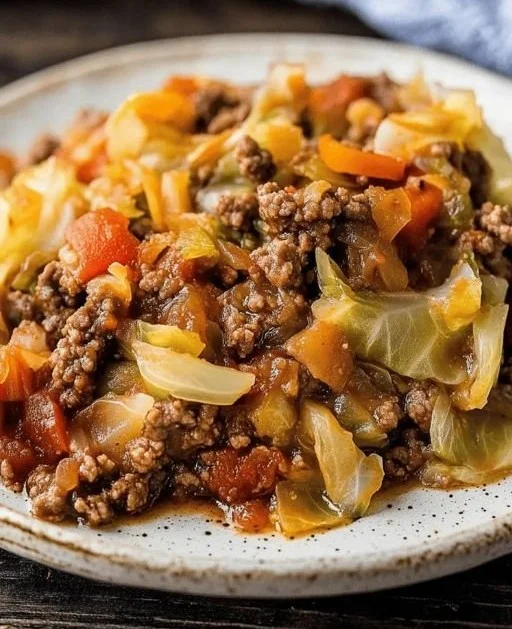
Spring Roll in a Bowl
The Night I First Made Spring Roll in a Bowl There are recipes that feel like dinner and recipes that feel like home; Spring Roll in a Bowl is the latter for me. I remember the first time I tossed together shredded cabbage and browned beef after a too-long day at work — the kitchen…
The Night I First Made Spring Roll in a Bowl
There are recipes that feel like dinner and recipes that feel like home; Spring Roll in a Bowl is the latter for me. I remember the first time I tossed together shredded cabbage and browned beef after a too-long day at work — the kitchen filled with a sweet-savory steam that somehow smelled like every cozy Asian restaurant I loved as a teenager. If you like bowl food as much as I do, you might also enjoy this high-protein egg roll in a bowl that I flip to when I’m low on time. But let me tell you about this one — it’s quick, forgiving, and somehow always feels special.
The Ingredient That Changes Everything
What I usually keep in my fridge for this dish are simple things: about 1/2 cabbage, 4 carrots, and 5 spring onions sitting comfortably next to a big pack of 700 g extra lean beef mince (1 ½ lbs). I also pull out 4 garlic cloves, 1 tablespoon minced ginger, 1 tablespoon honey, 1/4 cup soy sauce, and for the glossy finish 3 tablespoons corn starch whisked into 1/4 cup cold water. I often throw in a pinch of chili flakes if I want a little kick. The green tops of the spring onions are saved for garnish, and sometimes I scatter sesame seeds over the finished bowls for the faintest nutty crunch.
I like listing them like this because when you’re standing in the kitchen, the story of a recipe unfolds by sight and feel: the heft of the cabbage, the bright orange of the carrots, the clean onion aroma. It’s what makes a dish like this feel alive.
Getting the Texture Just Right
The way the vegetables are prepared matters more than you’d think. Finely shred the cabbage, grate the carrots, and slice the spring onions. When everything is small and uniform, the flavors cling to the meat and the mouthfeel is just right — think tender-with-a-little-crunch rather than soggy or limp.
I start with a hot pan. In a large frying pan or wok over medium-high heat, brown the beef mince for 4–5 minutes. That sizzling sound is one of my favorite parts; it signals the Maillard reaction, which gives the meat that deep, browned flavor. As soon as the meat has mostly lost its pink, I add minced garlic, ginger, and the white parts of the spring onions; cook until fragrant. It happens fast — the smell sharp, bright, and almost sweet.
Next I stir in the shredded cabbage and grated carrots; cook for another 4–5 minutes until slightly tender. You want the cabbage to soften but still snap when you bite it. If you overcook it, the whole bowl loses its zip. A little tip I learned: keep the heat lively and resist the urge to cover the pan, so the vegetables release steam without steaming to mush.
Then I whisk together corn starch and cold water; pour into the pan along with honey, soy sauce, and chili flakes. Cook until thickened. The cornstarch slurry is what pulls everything into a glossy, clingy sauce that coats each strand of cabbage and carrot. Add the slurry in slowly and stir; it thickens rapidly, so you can stop when it looks like the sauce is holding the vegetables and meat together in a silky coat.
Serve in bowls garnished with green onion tops and optional toppings like sesame seeds. The green onion tops add color and a fresh, mild onion bite that keeps every spoonful lively.
Little Ways I Tweak It
I love this recipe because it’s a base for creativity. Sometimes I double the ginger if I want more brightness, or I swap honey for a splash of brown sugar if the pantry is low. When I’m packing lunches, I undercook the cabbage by a minute so it doesn’t get limp when reheated. I often make a bigger batch on Sunday and portion it into jars — it reheats beautifully, and I like that leftover rice or noodles soak up the sauce so none of that flavor goes to waste.
A few practical tips: if your pan seems too crowded, cook the meat first in two batches so it browns instead of steams; if you prefer less sodium, use low-sodium soy and add salt at the end; and if you want a cleaner finish, blot the beef with a paper towel after draining excess fat before adding the aromatics. These small moves have saved dinners in my house more than once.
If you’re in the mood for a different kind of quick beef bowl, I sometimes borrow flavor ideas from a speedy 15-minute Korean beef and rice bowl I keep bookmarked — the sesame and gochujang notes slip into this spring roll bowl surprisingly well.
How I Serve It, Store It, and Make It My Own
I usually spoon this into shallow bowls over a spoonful of plain rice or sometimes on its own for a low-carb meal. It pairs wonderfully with something cool and acidic on the side — a simple cucumber salad or quick-pickled red onions. When I have guests, I set out small bowls of extra chili flakes, toasted sesame seeds, and lime wedges so people can personalize their bowls.
Leftovers store well. After the meal I let the bowl cool to room temperature, then refrigerate in an airtight container for up to 3 days. Reheating is best in a skillet over medium heat so the cabbage regains some texture; microwaving works in a pinch but can make the cabbage softer. If I’m making it ahead for lunches, I keep dressings and crunchy toppings separate until serving to preserve texture. One of my favorite variations is to switch the beef for shredded rotisserie chicken or even firm tofu for a vegetarian take. I once tried it with thinly sliced mushrooms and felt like I had a new fall favorite — earthy, silky, and comforting in a different way. For something playful, roll spoonfuls into lettuce cups and hand them around at a casual gathering.
A handful of small variations I return to: substitute pork mince or turkey if you prefer, add chopped water chestnuts for crunch, or dress it with a peanut butter-spiked sauce if you want a creamy, nutty angle. I once turned it into a spring roll night by filling rice paper wrappers with the hot filling and serving a chilled peanut dipping sauce on the side — everyone loved the contrast of hot and cool.
When do you know it’s done right? Look for vibrant vegetables that are tender but still have bounce, deeply browned meat, and a sauce glossy enough to cling. Taste as you go: the balance of sweet from the honey, salty from soy, and the faint warmth of ginger should sing together without one note overpowering the others.
Conclusion
If you want a plant-based take or a peanut-sauced twist for inspiration, I like looking at ideas like the Garden Grazer’s Spring Roll Bowl with Peanut Sauce (Vegan) for different flavor profiles and dressings to try. Spring Roll in a Bowl has become my weekday hero and my weekend comfort — quick to make, wildly adaptable, and somehow always hits that satisfying place where texture and flavor meet. Try it the first night as written, and then start tweaking; that’s how the best family recipes are born.
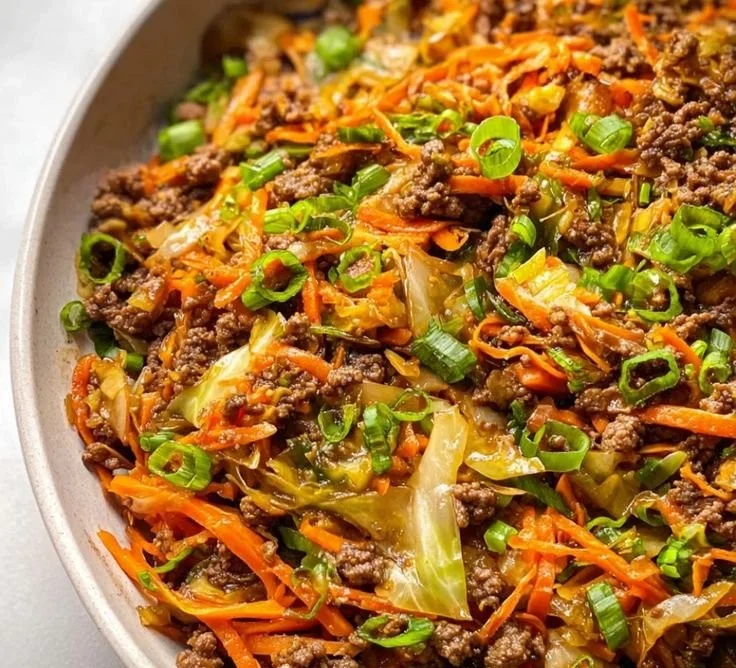
Spring Roll in a Bowl
Ingredients
Method
- In a large frying pan or wok over medium-high heat, brown the beef mince for 4–5 minutes until it has mostly lost its pink.
- Add minced garlic, ginger, and the white parts of the spring onions; cook until fragrant.
- Stir in the shredded cabbage and grated carrots; cook for another 4–5 minutes until slightly tender.
- Ensure the cabbage softens but still retains a snap; avoid overcooking.
- Whisk together corn starch and cold water; pour into the pan along with honey, soy sauce, and chili flakes.
- Cook until thickened, stirring slowly to coat the vegetables and meat in a glossy sauce.
- Serve in bowls garnished with the green onion tops and optional toppings like sesame seeds.