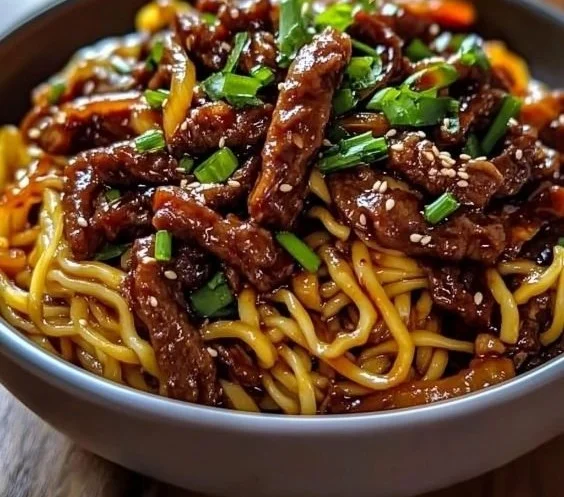
Sticky Beef Noodles
The Secret Behind Perfect Sticky Beef Noodles The first time I made Sticky Beef Noodles I burned the garlic because I was telling a story to my sister and forgot to turn down the heat. Even so, the dish pulled everyone to the table with that sweet, glossy sauce clinging to tender strips of beef…
The Secret Behind Perfect Sticky Beef Noodles
The first time I made Sticky Beef Noodles I burned the garlic because I was telling a story to my sister and forgot to turn down the heat. Even so, the dish pulled everyone to the table with that sweet, glossy sauce clinging to tender strips of beef and soft noodles. There is something ridiculously comforting about noodles that trap every bit of sauce. If you like other beef-and-noodle dinners, I sometimes alternate this with an easy Asian beef and noodles recipe when I want something even quicker, but this one is my cozy-weeknight favorite.
How I Learned to Make It
I learned the basics from a coworker who grew up eating bold Asian flavors. She swore by one tiny trick: cornstarch in the marinade. That little bit of cornstarch is what gives the beef that velvety, slightly sticky coating that makes every noodle sparkle. Later, when I wanted something richer and slower, I experimented with longer-cooked beef inspired by a recipe for caramelized slow-roast Asian beef short rib, but for weeknights the quick pan method wins every time.
Building the Dish
To make it, you really only need a handful of ingredients and a hot skillet. I keep the list simple in my head: 8 oz noodles (such as egg noodles or rice noodles), 1 lb beef sliced thin (flank or sirloin), 2 tbsp soy sauce, 2 tbsp oyster sauce, 2 tbsp sugar, 1 tbsp cornstarch, 2 tbsp vegetable oil, 2 cloves garlic minced, 1 tsp ginger grated, and 1 green onion sliced for garnish. Say it out loud and you can almost smell the sweet-salty mix forming.
I always start by cooking the noodles according to package instructions. Once they’re tender, I drain them and set them aside so they don’t keep steaming in the pot. While the noodles cook, I mix the marinade by combining the soy sauce, oyster sauce, sugar, and cornstarch in a bowl. The sugar helps the sauce caramelize, and the cornstarch gives that glossy, sticky finish. I toss the thinly sliced beef in the mixture and let it sit for 15 to 20 minutes; that short marinating time is enough to coat the meat without turning it mushy.
Heat your pan over medium-high heat until it looks like it could almost smoke. Add 2 tablespoons of vegetable oil. I drop in the minced garlic and grated ginger and let them sizzle for about 30 seconds so they become fragrant but not brown. If they brown too much the whole dish turns bitter, so keep a close ear for that quick pop and hiss. Then the marinated beef goes in; it only needs about 5 to 7 minutes to brown and cook through if the slices are thin. You’ll know the beef is done when it loses its raw sheen, takes on a deep brown at the edges, and feels firm but not tough when you press it with a spatula.
Once the beef is cooked, add the cooked noodles to the skillet and pour any remaining marinade in. Toss everything together until the noodles are well coated and heated through. The sauce will cling and reduce slightly, giving that signature sticky gloss. Finish with sliced green onion for a fresh pop of color and oniony brightness.
A Few Things I’ve Learned
A few practical tips I wish someone had told me earlier: slice the beef thinly across the grain for tenderness; use a very hot pan so the meat browns quickly without stewing; and do not skip the cornstarch, it is the difference between saucy and sticky. If the sauce seems too thick at the end, splash in a tablespoon or two of water or broth and toss again. If it is too thin, keep the pan on medium heat and let it reduce for a minute while tossing.
When it’s done right the noodles are glossy and slightly clingy, the beef is tender and lacquered, and the aroma of garlic and ginger is warm and inviting. The sound of the skillet as you toss everything together is almost celebratory: a quick, happy sizzle that tells you dinner is moments away.
How I Serve It and Make Leftovers Work
I often serve these noodles with a quick wilted green like bok choy or a simple cucumber salad to cut through the sweetness. Sometimes I top a bowl with a soft-fried egg because the runny yolk adds creaminess that the sauce loves. If I want to change things up, I’ll riff toward bolder, spicier flavors—one of my go-to pivots is borrowing the sesame and chili notes I admire in recipes like Korean beef noodles for a spicier finish.
Leftovers keep very well. I put any extra into an airtight container and refrigerate for up to three days. Reheating is best done in a skillet over medium heat with a splash of water or a teaspoon of oil to loosen the sauce; microwaving works in a pinch but the texture comes back better on the stove. If I know I’m going to have leftovers, I often undercook the noodles slightly when I first make them so they do not get mushy the next day.
For those slow-cooker days when I want the whole house smelling like dinner all afternoon, I sometimes adapt the flavors and let the beef come together in the slower method inspired by a slow-cooker beef ramen technique, though I reserve the sticky finish for the skillet version because it is just quicker and brighter. There’s even another slow-cooker twist I tried once that uses similar ingredients and makes for great, shreddable beef for noodle bowls too.
If you’re feeling creative, two easy variations work wonders: swap the beef for thinly sliced chicken breast or thigh and increase the soy sauce by a bit for balance, or go vegetarian by using firm tofu or a mix of mushrooms and adding a teaspoon of toasted sesame oil at the end. A dash of chili oil or a few chopped fresh chiles is great if you like heat.
The Best Part About This Dish
What I love most is how forgiving Sticky Beef Noodles are. They feel fancy because of the glossy sauce and the way the beef clings to every strand, but they are fast enough for a weeknight. The smell while it cooks is rich and sweet with that bright kick from the ginger, and the ease of throwing it together from pantry staples makes it a go-to. It has become the recipe I text to friends when they ask what to make for dinner in twenty minutes.
Conclusion
If you want another take with sesame notes, I enjoy the twist in Sticky beef with sesame noodles – Chef Anna Frazer. For a different home-cooked version to compare techniques, this Sticky Beef Noodles Recipe | Simple Home Edit has a nice approach worth reading alongside this one.
Sticky Beef Noodles
Ingredients
Method
- Cook the noodles according to package instructions. Once tender, drain and set aside.
- In a bowl, combine soy sauce, oyster sauce, sugar, and cornstarch to create the marinade.
- Toss the sliced beef in the marinade and let it sit for 15 to 20 minutes.
- Heat a pan over medium-high heat until almost smoking and add vegetable oil.
- Add minced garlic and grated ginger to the pan, cooking for about 30 seconds until fragrant.
- Add marinated beef to the pan and cook for 5 to 7 minutes, until browned and firm.
- Add the cooked noodles to the skillet and pour in any remaining marinade. Toss until well coated and heated through.
- Finish with sliced green onion and serve.