Stovetop Bread
I have this small, stubbornly simple recipe I always fall back on when I want bread but not the fuss. Stovetop Bread is my go-to when the oven is full, when the power flickers, or when I’m hungry enough that waiting an hour for yeast to do its thing feels like a betrayal. It’s the…
I have this small, stubbornly simple recipe I always fall back on when I want bread but not the fuss. Stovetop Bread is my go-to when the oven is full, when the power flickers, or when I’m hungry enough that waiting an hour for yeast to do its thing feels like a betrayal. It’s the kind of loaf that fills the kitchen with a warm, bready smell in minutes, and somehow manages to be both rustic and comforting. Once, on a rainy afternoon, I made a batch while flipping through old photo albums and it felt like the house itself was taking a deep, contented breath.
How I Found Stovetop Bread
I didn’t learn this from a cookbook. A friend taught me, showing me how to mix a handful of pantry staples and get a soft, pancake-like bread that you can tear apart while it’s still steaming. The recipe title stuck: Stovetop Bread. It uses very little—just 2 cups all-purpose flour, 1 tablespoon baking powder, 1 teaspoon salt, 1 tablespoon sugar, 1 cup milk, and 2 tablespoons butter, melted—and yet the result feels indulgent. If you like quick bread ideas, you might enjoy recipes that use air fryers too; I once tried a similar, speedy garlic bread that complemented this loaf perfectly, and you can find that version here: air fryer garlic bread.
The Ingredient That Does Most of the Work
What surprised me was how little you actually need. The baking powder is the real magic—no proofing, no fuss. I make a point of measuring the 2 cups all-purpose flour accurately because the texture hinges on it, and I always melt exactly 2 tablespoons butter so it blends into the milk. The sugar and salt—1 tablespoon sugar and 1 teaspoon salt—balance each other; sugar gives a touch of caramelization while the salt wakes the flavor up. The wet part is simple: 1 cup milk, which brings everything together when combined with the melted butter.
Getting the Texture Just Right
When I’m ready to make it, I do the basic steps more like a short ritual than a recipe. I start with the dry ingredients: 1. In a bowl, mix the flour, baking powder, salt, and sugar. Then, with a steady hand, I make the dough: 2. Gradually add the milk and melted butter, stirring until a dough forms. The mixture looks shaggy at first, but it comes together quickly. I turn it out and 3. Knead the dough on a floured surface for a few minutes, just enough to smooth it but not to make it tough. Once it feels cohesive, I 4. Divide the dough into small balls, usually the size of golf balls or a little larger depending on how big I want the rolls.
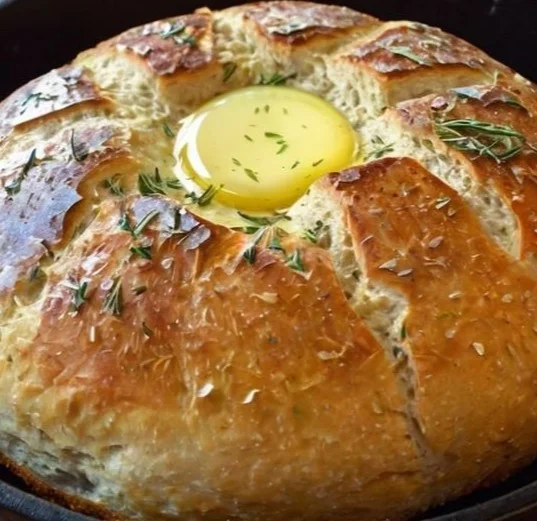
I heat a non-stick skillet over medium heat because I want that golden crust without burning; 5. Heat a non-stick skillet over medium heat is my go-to instruction and I stick to it. Place each ball in the skillet and wait for the sound that means bread is happening—the gentle sizzle. Then 6. Cook each ball of dough in the skillet for about 4-5 minutes on each side or until golden brown and cooked through. You’ll know they’re done when the exterior is a deep, even gold and the center no longer feels doughy. Finally, and most importantly, 7. Serve warm, because the smell, the soft interior, and the slight chew of the crust are best right off the pan.
If you like crunchy, crusty things, try making these a little flatter and longer—they crisp differently and make great sandwich bases. I once used a flattened batch to press a quick panini using leftover roasted vegetables, and that idea of a crusty handheld bread grew into a small obsession; if you want something similar and even crustier, check out this recipe for a 5-ingredient crusty panini bread I tried later: 5-ingredient crusty panini bread.
A Few Tricks I Swear By
I give you a few personal tricks because I’ve burned more than one batch in my learning phase. First, don’t over-knead—once the dough is smooth, stop. The texture should be tender, not chewy. Second, keep the skillet at a steady medium; a too-hot pan gives you a dark outside and raw inside. Third, if the tops brown faster than the centers cook, cover the pan with a lid for the last minute or two to trap a little heat and finish the inside. Fourth, brush them with a bit more melted butter when they come out; it keeps the crust soft and adds a glossy look that makes guests ask if you bought them from a bakery.
I also adapt this recipe. For a savory twist, fold chopped herbs and grated cheese into the dough so each ball becomes a little herb roll. For a sweeter version, add a teaspoon of cinnamon and roll the balls in sugar before cooking. I once went the autumn route, folding in tiny bits of apple and a hint of nutmeg—if you’re into seasonal flatbreads, you might like the autumn-inspired take I experimented with: autumn apple flatbread.
When It’s Finished: The Sizzle and the Color
You’ll know it’s right when the surface is golden brown and the bread sounds hollow if you tap it lightly. The edges should be firm but not hard. Inside, the crumb should be soft and slightly springy; if it feels dense or gummy, the pan was likely too hot or the balls were too large to cook through in time. The smell is a good indicator too—sweet, toasty butter notes and warm dough means you’re in the right place. Serve them warm with salted butter, jam, a bowl of stew, or alongside a Thai curry; they soak up sauces beautifully.
Leftovers keep decently. I wrap cooled pieces in plastic or store them in an airtight container for up to two days at room temperature. For longer storage, freeze them in a zip-top bag and reheat gently in a skillet or oven to bring back that just-cooked texture. I often make a double batch on busy mornings and stash extras for quick lunches.
Conclusion
If you want a deeper take on skillet bread techniques, Baker Bettie’s write-up is a nice complement and offers a sturdier no-knead approach you might like: Easy No-Knead Skillet Bread – Baker Bettie. For a different cultural spin and some interesting flavor ideas, this Festive Ayurvedic Stovetop Bread from Hale Pule is worth reading: Festive Ayurvedic Stovetop Bread – Hale Pule Ayurveda and Yoga.
Final thought: this recipe isn’t about perfection. It’s about quick comfort, the smell of butter in a hot pan, and tearing warm bread with your fingers. Make it your own—play with add-ins, change the shapes, and don’t be afraid to eat the imperfects straight away.
Stovetop Bread
Ingredients
Method
- In a bowl, mix the flour, baking powder, salt, and sugar.
- Gradually add the milk and melted butter, stirring until a dough forms.
- Knead the dough on a floured surface for a few minutes until smooth.
- Divide the dough into small balls, about the size of golf balls.
- Heat a non-stick skillet over medium heat.
- Place each ball in the skillet and cook for 4-5 minutes on each side until golden brown.
- The bread is done when the exterior is deep golden and the center feels cooked through.
- Serve warm for the best taste and texture.