The Best Hibiscus Tea Strawberry-Lemonade Refresher
How I Stumbled into This Drink I have to admit, the first time I mixed hibiscus tea with strawberries and lemon it felt like an accident that turned into a tiny revelation. I was trying to recreate a bright, summery drink I had years ago at a beach stand, and the kitchen smelled like tart…
How I Stumbled into This Drink
I have to admit, the first time I mixed hibiscus tea with strawberries and lemon it felt like an accident that turned into a tiny revelation. I was trying to recreate a bright, summery drink I had years ago at a beach stand, and the kitchen smelled like tart flowers and citrus before I even knew what I was doing. If you like fruity blends as much as I do, you might appreciate that same playful spirit I chase when I tinker with recipes like an apple pie smoothie—light, nostalgic, and surprising in the best way.
The recipe title you’ll see me say out loud when I hand someone a glass is The Best Hibiscus Tea Strawberry-Lemonade Refresher. The ingredients are deceptively simple: 2 cups water, 2 hibiscus tea bags (or 2 tablespoons dried hibiscus flowers), 1/2 cup fresh strawberries, 1/4 cup freshly squeezed lemon juice, and 2-3 tablespoons maple syrup to taste. That’s it. No mysterious syrups or lab equipment required.
The Ingredient That Changes Everything
What makes this drink sing, for me, is the hibiscus. It gives a color that looks like crushed rubies and an acidic floral backbone that plays so well against strawberry sweetness and bright lemon. I usually boil water in a kettle and steep hibiscus tea bags for 5-7 minutes. Allow to cool. The steeping time matters because if you under-steep it, the flavor is shy; if you over-steep it, it can get bitter and almost medicinal. That floral-tart scent that lifts from the kettle when it’s steeping is one of my favorite kitchen smells—like summer in a cup.
If you’re using dried hibiscus flowers instead of tea bags, the swap is fine: use about 2 tablespoons. One small tip I learned is to taste the cooled hibiscus before you add anything else; sometimes a shorter steep is all you need if the hibiscus you bought is particularly assertive.
Putting It Together (and a couple of tricks)
When the cooled hibiscus is ready, blend strawberries with 1/4 cup cooled hibiscus tea until smooth. Optionally strain for a smoother texture. I often leave the tiny seeds in for a rustic mouthfeel, but if you’re serving this to someone who prefers silkier drinks, go ahead and push it through a fine mesh. Then in a pitcher, mix remaining hibiscus tea, strawberry puree, lemon juice, and maple syrup. Stir well. Taste and adjust: add another tablespoon of maple syrup if it needs more rounding, or another squeeze of lemon if it needs edge.
A few tricks I use are small but game-changing. First, I lightly mash the strawberries with a fork before blending if they’re not super ripe; it helps release flavor. Second, I prefer maple syrup because its caramel notes soften the tartness without making the drink taste overtly sweet; start with 2 tablespoons and add up to 3 depending on your berries. Third, if I’m short on time, frozen strawberries work beautifully and chill the drink at the same time.
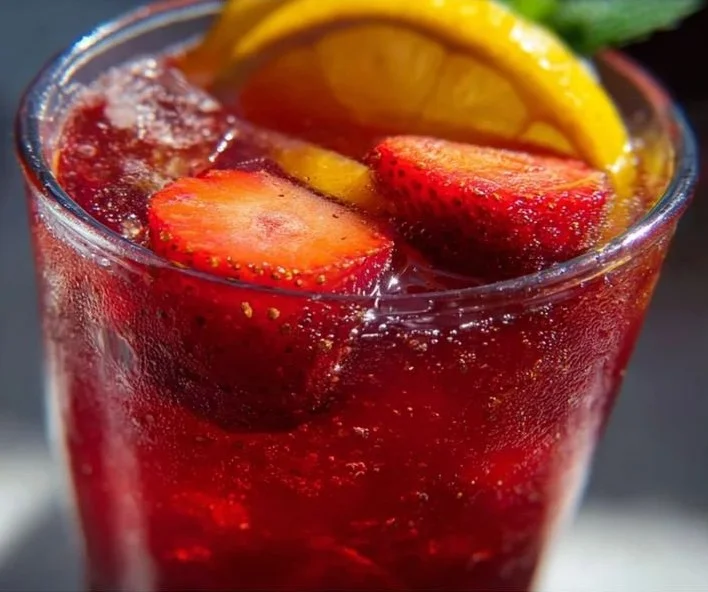
Serve over ice and garnish with lemon slices, fresh strawberries, and mint leaves. I like to add crushed ice so the first sip is whisper-cold and slightly diluted, which calms the intensity and makes it endlessly drinkable.
When You Know It’s Right
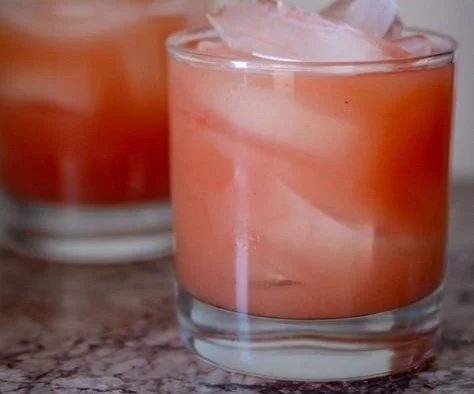
There are a few small signals I look for to know I nailed it. The color should be a deep, translucent pink-red that makes people stop and say, “Wow.” On the nose you want hibiscus and lemon up front with a rounded sweetness underneath. On the palate the drink should be balanced: tartness from the hibiscus and lemon, sweetness from strawberries and maple syrup, and a clean finish that makes you reach for another sip. If it tastes overly floral or astringent, the tea was steeped too long or not diluted enough. If it’s flat, it needs more lemon or a touch more maple syrup.
I also pay attention to texture. If I’m serving this to company, I strain the puree for a smooth finish. If it’s a lazy Sunday at home, a bit of strawberry pulp makes it feel like a treat.
What To Pair It With and Leftovers
I love this refresher with casual, savory dishes that play against its fruitiness. Think grilled chicken, light salads, or toasted bread with tomatoes and basil. It’s actually delightful next to a classic bruschetta because the acidity of the drink and the tomatoes make each other pop; that’s why I often make both together when friends drop by and we want something simple but special—something like my go-to classic bruschetta hits all the right notes for a backyard afternoon. For heartier picnics, it balances richer things such as roasted thighs, and if you happen to be baking, it pairs beautifully with berry desserts like blackberry pie.
If you have leftovers, pour them into an airtight container and refrigerate. I find it keeps well for up to four days though the bright flavors are at their best the first day. Before serving again, stir or shake because the puree settles; if it’s been in the fridge a while the ice will have melted and diluted the drink a bit, so you might want to blitz a handful of fresh strawberries or add a splash more lemon.
One practical tip: if you want to prep for a party, make the hibiscus tea and the strawberry puree separately earlier in the day and combine them just before guests arrive. The tea keeps fine in the fridge and the puree stays vivid when kept chilled.
Little Variations That Make It Yours
This refresher is forgiving, so have fun making it your own. For fizz, top each glass with a splash of sparkling water or club soda for effervescence that brightens the flavors. For a cozy twist, swap maple syrup for honey or agave if you prefer a different sweet profile. If you like spicy notes, muddle a few slices of ginger or add a sprig of basil when blending the strawberries for an herbal lift. For adults, a shot of vodka or gin turns this into a lovely cocktail.
I once made a pitcher for a neighborhood potluck and added a couple of bruised basil leaves; someone asked for the recipe and the basil became their favorite part. Memories like that are why I keep making this drink every summer.
Conclusion
If you want to compare notes with other takes on this drink, I often cross-check proportions with the original hibiscus tea strawberry-refresher I first referenced, and when I need inspiration for other cold tea ideas I browse collections like Peet’s iced tea beverages. Give it a try exactly as written once, then adjust the maple syrup and steeping time to match your taste. It feels like a small luxury that’s easy to make, and it always brings a little sun to the table.
Hibiscus Tea Strawberry-Lemonade Refresher
Ingredients
Method
- Boil water and steep hibiscus tea bags for 5-7 minutes.
- Allow the tea to cool.
- Blend the strawberries with 1/4 cup cooled hibiscus tea until smooth.
- Optionally strain for a smoother texture.
- In a pitcher, mix remaining hibiscus tea, strawberry puree, lemon juice, and maple syrup.
- Stir well and taste. Adjust sweetness or acidity as needed.
- Serve over ice, garnishing with lemon slices, fresh strawberries, and mint leaves.