The Butter Chicken
How I Stumbled Into This Comfort Dish There are recipes that hit you the first time and recipes that grow on you; The Butter Chicken is very much the latter for me. I remember the first time I tried to make it: the kitchen smelled of caramelized onions and warm spices, my roommate hovering nearby…
How I Stumbled Into This Comfort Dish
There are recipes that hit you the first time and recipes that grow on you; The Butter Chicken is very much the latter for me. I remember the first time I tried to make it: the kitchen smelled of caramelized onions and warm spices, my roommate hovering nearby hoping for scraps. Over the years I’ve tweaked it until it felt like mine. If you ever want a shortcut, I sometimes point friends toward a simpler 5-ingredient keto version I adapted early on, which you can read about at a simpler 5-ingredient keto version, but the version I make for company is richer and worth the little extra fuss.
The Ingredient Roll Call (and a little confession)
I always chuckle when someone asks what makes this dish different from other curries — honestly, it’s the marriage of ingredients and the slow building of the sauce, plus a good hit of butter. For this recipe I use: 600 g Hähnchenbrust, gewürfelt, 150 g Naturjoghurt, 1 TL Kurkuma, 1 TL Kreuzkümmel, 1 TL Garam Masala, 1 TL Paprikapulver (edelsüß), 1 TL Salz, 1 EL Zitronensaft, 1 EL Öl, 2 EL Butter, 1 Zwiebel, fein gehackt, 2 Knoblauchzehen, gehackt, 1 EL geriebener Ingwer, 1 TL Korianderpulver, 1 TL Garam Masala, 1/2 TL Chilipulver (optional), 400 g passierte Tomaten, 150 ml Sahne (oder Kokosmilch für laktosefrei), 1 TL Zucker, Salz nach Geschmack, Frischer Koriander zum Garnieren. I like to lay everything out before I start — it keeps the rhythm going and makes me feel like I’m running a tiny restaurant.
I also like trying swaps. If you’re curious about a richer coconut twist I experimented with a butternut and coconut curry that taught me how well squash plays with these spices; you can see that idea at a butternut chicken coconut curry. One of my favorite guilty pleasures is folding roasted squash into a curry base, but I digress — back to the chicken.
Building the Sauce and the Steps I Swear By
I usually begin the process the night before when I have the time, because the marinade makes everything sing. Here’s what I follow, and I’ll also paste the exact step sequence I learned early on because it’s worth following closely: Hähnchen marinieren: Alle Zutaten für die Marinade in einer Schüssel vermengen. Hähnchenwürfel hinzufügen, gut vermischen und mindestens 30 Minuten im Kühlschrank ziehen lassen (idealerweise über Nacht). Hähnchen anbraten: In einer Pfanne das Öl erhitzen und das marinierte Hähnchen goldbraun braten (ca. 6–8 Minuten). Beiseite stellen. Sauce zubereiten: Butter in derselben Pfanne schmelzen lassen, Zwiebel glasig anbraten (ca. 5 Minuten), dann Knoblauch und Ingwer hinzufügen und 1 Minute mitbraten. Gewürze und Tomaten: Koriander, Garam Masala und Chilipulver einrühren. Passierte Tomaten dazugeben, 10 Minuten köcheln lassen. Sahne & Zucker: Sahne und Zucker einrühren, nochmals 5 Minuten köcheln. Nach Bedarf mit Salz abschmecken. Hähnchen einfügen: Hähnchen zurück in die Pfanne geben, alles gut vermengen und weitere 5 Minuten köcheln lassen. Servieren: Mit frischem Koriander bestreuen und mit Basmatireis und Naan servieren.
What I’m careful about is timing and heat. When you sear the chicken in the oil for 6–8 minutes you want a golden crust, not a dark burn. Then leave the browned pieces aside while you make the sauce in the same pan — the fond left behind is flavor gold. Melt the butter, sweat the finely chopped onion until it turns translucent (about 5 minutes), toss in the garlic and grated ginger for a quick minute until fragrant, and then gently fold in the spices before adding the passata. Let the tomato base simmer for around 10 minutes so it thickens and the oil starts to separate a little. Stir in the cream or coconut milk with a teaspoon of sugar, cook another five, then return the chicken for a final five-minute finish. The aroma at this point is so heady — sweet tomato, warm garam masala, the creaminess of butter — it practically hums.
I learned a useful trick early on: add salt gradually and taste after the cream goes in. The dairy rounds out the heat and the salt level can feel different at that stage.
A Few Tricks I Learned (and quick variations)
I’ve picked up a few personal tips that changed my results. First, tip one: marinate longer if you can — ideally overnight — the yogurt and lemon juice tenderize the chicken and carry the spices deeper. Tip two: don’t overcrowd the pan when searing; crowding releases steam and you lose that lovely caramelized color. Tip three: use butter near the end to finish for a silkier texture and glossy sheen. Tip four: if you want more punch, stir in a little extra garam masala at the end, but add it sparingly.
If you’re wondering how to know when it’s done right, there are three signals: the chicken should be cooked through but still tender, the sauce should coat the back of a spoon without being too watery, and the color should be a warm orange-red with little ribbons of oil on top. If you see a chalky raw aroma or watery sauce, it needs more simmering.
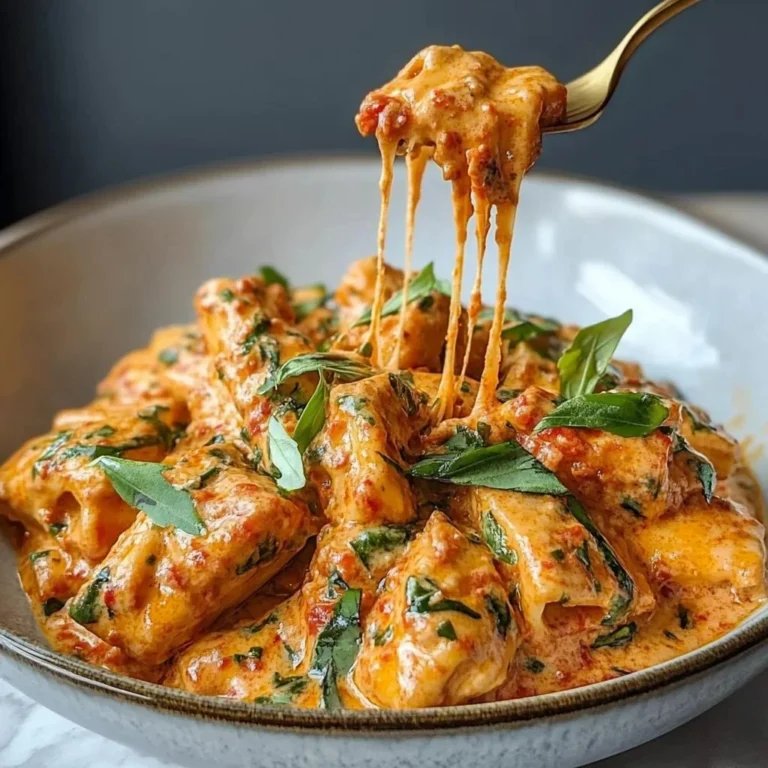
For variations, try two obvious ones: replace the cream with coconut milk to make it lactose-free and tropical, or swap the chicken for roasted butternut squash for a vegetarian twist — which is a nod to the kind of dish I once adapted into a butternut squash enchiladas experiment that taught me how spices work with sweet vegetables. Another variation I love is tossing the finished butter chicken with linguine for something whimsical and comforting; I once paired it with a pasta riff inspired by a playful recipe for cowboy butter chicken linguine and my friends couldn’t stop laughing at how much they loved it.
When things don’t go as planned — say your sauce got too thin — simmer it longer uncovered or add a spoonful of tomato paste to thicken. If it’s too spicy, a splash more cream or a teaspoon of sugar calms it down.
What I Serve It With and Why It Feels Like Home
I almost always serve The Butter Chicken with fragrant basmati rice and warm naan; the rice soaks up the sauce and the naan is perfect for scooping. Sometimes I pick up mini naan from the grocery freezer when I’m short on time — a simple convenience I justify when I’m feeding a crowd. Leftovers are worth planning for: store the curry in an airtight container in the fridge for up to 3 days, or freeze portions for up to 3 months. When reheating, do it gently over low heat and add a splash of water or cream to loosen the sauce so it returns to that silky texture. I’ve reheated it in the oven for a party and it comes back tasting almost as good as the first night.
The reason I love this recipe is honest: it’s forgiving, it feeds many, and it conjures a cozy, full-house kind of comfort. Making it brings back nights of laughter, a little too much wine, and the satisfaction of seeing empty plates.
Conclusion
If you want a quick reference or inspiration from someone who tried many versions before settling on this one, I like keeping a classic version in mind and occasionally comparing notes with mainstream takes like the one on The Today Show; you can check out their approach at Butter Chicken (Murgh Makhani) – The Today Show. And if you’re curious about convenient naan options I sometimes use, there’s an entertaining review of a frozen mini naan product that made me try them for a busy dinner at an ALDI Mini Naanpanadas Review.
I hope this feels more like me telling you over coffee than a formal instruction card. Make extra rice, invite people over, and don’t be shy with the coriander on top — that bright green finish always makes everyone pause and inhale.

Butter Chicken
Ingredients
Method
- Alle Zutaten für die Marinade in einer Schüssel vermengen. Hähnchenwürfel hinzufügen, gut vermischen und mindestens 30 Minuten im Kühlschrank ziehen lassen (idealerweise über Nacht).
- In einer Pfanne das Öl erhitzen und das marinierte Hähnchen goldbraun braten (ca. 6–8 Minuten). Beiseite stellen.
- Butter in derselben Pfanne schmelzen lassen, Zwiebel glasig anbraten (ca. 5 Minuten), dann Knoblauch und Ingwer hinzufügen und 1 Minute mitbraten.
- Koriander, Garam Masala und Chilipulver einrühren. Passierte Tomaten dazugeben, 10 Minuten köcheln lassen.
- Sahne und Zucker einrühren, nochmals 5 Minuten köcheln. Nach Bedarf mit Salz abschmecken.
- Hähnchen zurück in die Pfanne geben, alles gut vermengen und weitere 5 Minuten köcheln lassen. Mit frischem Koriander bestreuen und servieren.