Wild Flower Cupcakes
I still remember the first time I made these Wild Flower Cupcakes for a spring picnic. The idea came to me while I was wandering a meadow and thinking about how pretty simple things can become with the right little flourish. I brought a box of cake mix and a jar of frosting, and by…
I still remember the first time I made these Wild Flower Cupcakes for a spring picnic. The idea came to me while I was wandering a meadow and thinking about how pretty simple things can become with the right little flourish. I brought a box of cake mix and a jar of frosting, and by the time everyone arrived the cupcakes smelled like warm vanilla and the tops were dotted with soft petals that made people pause. If you want something that feels fancy but really isn’t, this is it — and yes, I sometimes set a tray of these next to other playful treats like sunflower cupcakes when I am trying to impress but not stress.
The way I think about the ingredients is almost silly because they are so ordinary: 1 box cake mix, 1 cup water, 1/2 cup vegetable oil, 3 eggs, 1 container frosting, and edible wild flowers. Saying it out loud like that makes the whole thing feel easy, which it is. I usually let the eggs sit on the counter until they warm up a bit because room-temperature eggs blend into batter more smoothly. It’s a tiny trick that makes a noticeable difference in texture.
When I bake these, I do the straightforward things that somehow turn out right every time. Preheat oven to 350°F., Mix cake mix, water, oil, and eggs., Fill cupcake liners 2/3 full., Bake for 18-20 minutes., Let cool completely., Frost cupcakes., Decorate with edible wild flowers. That line of steps lives in my head as a little rhythm: heat, mix, fill, wait, cool, dress, and admire. One tip I always give — and it’s one I learned after a few sad flat tops — is to avoid overmixing. Stir until everything disappears into a smooth batter and then stop. Overworking the batter makes the crumb tougher, and you want soft, tender cupcakes that practically melt when you take a bite.
There’s a certain sensory satisfaction when the oven is doing its work: the kitchen gets warm, you can smell the sugar and vanilla as the tops go from pale to golden, and if you listen closely you’ll hear a gentle popping sound when they settle — the kind of sound that guarantees a light interior. To know when they are done right I pop a toothpick in the center; it should come out mostly clean with a few soft crumbs. The cake should spring back lightly when you press the top with a fingertip, and the edges will pull away just a touch from the liner. If the top is still glossy or the toothpick is wet, give them another minute.
I like to scatter little tips through the process because I find they save time and heartache. First, line your pan well and use good-quality liners; they help the cupcakes peel away smoothly and look neat. Second, when I pick edible wild flowers I pat them dry and lay them on a paper towel for a bit; damp petals can wilt under frosting and bleed color. Third, always let the cupcakes cool on a rack until completely cool before you frost them — that container of frosting will slide if the cake is even a bit warm. Fourth, when applying the flowers I press them gently into the frosting so they lie flat and won’t be knocked off when stacked.
I also love how adaptable this recipe is. If you are feeling lemony, add a teaspoon of lemon zest to the batter and swap the frosting for a light lemon buttercream for a bright floral pairing. If you want to play up chocolate and coconut, I sometimes riff on an Almond Joy twist by folding a little shredded coconut into the batter and using chocolate frosting. For fall gatherings you can hollow the centers a smidge and spoon in a tangy apple butter filling inspired by an apple butter filling I adore; it turns these from pretty to unforgettable. Small changes like that keep the base recipe exciting without making it complicated.
Decorating with edible wild flowers is where personality shines. I use tiny pansies, violas, and clover blossoms when I can find them, and I keep the color palette in mind — a trio of pale lavender, soft yellow, and white looks delicate and cohesive. If you want bolder inspiration, I sometimes borrow ideas from themed cupcakes and try color combinations from valentines cupcake ideas for holidays or parties. When pressing flowers into frosting, a light dusting of powdered sugar over the petals creates a dewy, photographed-in-the-garden effect that guests always comment on.
What to serve these with depends on the mood. For a daytime tea I’ll put out chamomile or green tea and maybe a simple fruit salad so the floral notes in the cupcakes don’t compete. For an evening gathering, sparkling wine or a lemony cocktail brightens things up. I once served a batch at a friend’s bridal shower alongside a platter of savory tartlets; the contrast of sweet blossoms and salty bites made the cupcakes taste even fresher.
If you want to make them ahead, that’s where storage becomes practical. Unfrosted cupcakes freeze beautifully — I cool them completely, wrap them individually in plastic wrap, and put them in a freezer bag for up to two months. Thaw them at room temperature and then frost just before the event. For frosted cupcakes I recommend keeping them in an airtight container in the refrigerator for up to three days; bring them to room temperature for about 30 minutes before serving so the frosting softens and the flavors open up. If you plan to keep them in the fridge overnight, tuck the edible flowers in last-minute so they don’t wilt.
Sometimes things go wrong. Once I forgot to let the cupcakes cool and my frosting melted into a glossy puddle. It taught me patience, and now I treat the cooling step like a non-negotiable. If your flowers start to weep color onto the frosting, gentle blotting with a paper towel and a few extra petals can rescue the look.
There are a few variations I return to again and again: adding citrus zest, folding in a handful of berries for bursts of color inside the cake, or piping the frosting into a ruffle and topping each swirl with a single bold bloom. Each tweak keeps the base recipe familiar while giving you room to play.
I love this recipe because it lets me show care without being pretentious. It’s forgiving in the oven and generous in presentation. Making a simple batter of cake mix with 1 cup water, 1/2 cup vegetable oil, and 3 eggs feels honest, and then adding a container of frosting and edible wild flowers turns it into something that looks like you spent hours, even when you didn’t. The best part is watching someone take that first bite and softly say, “This tastes like spring.”
Conclusion
If you want to see a local bakery that celebrates flowers in their sweets, I often send friends to Wildflower Cupcake + Dessert Bar for inspiration and a reminder that edible flowers belong on cupcakes.
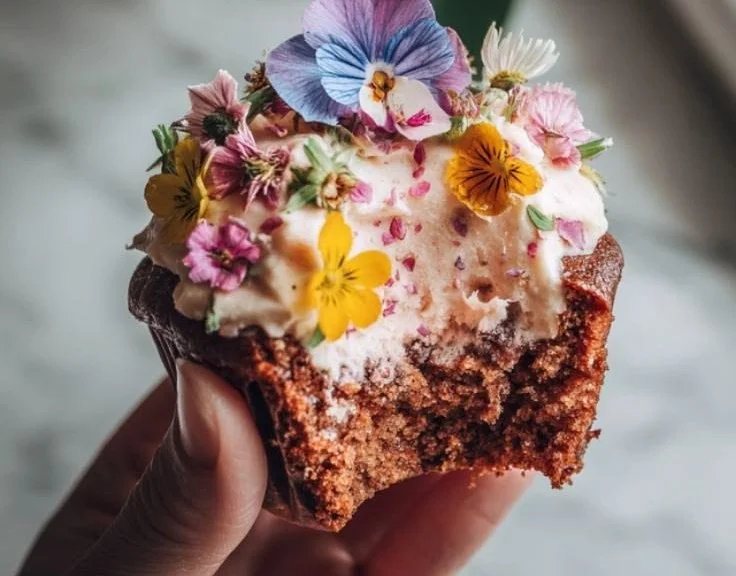
Wild Flower Cupcakes
Ingredients
Method
- Preheat the oven to 350°F (175°C).
- In a mixing bowl, combine the cake mix, water, vegetable oil, and eggs.
- Mix until smooth, being careful not to overmix.
- Line a cupcake pan with liners and fill each liner 2/3 full with batter.
- Bake in the preheated oven for 18-20 minutes or until a toothpick inserted in the center comes out mostly clean.
- Let the cupcakes cool completely on a wire rack.
- Once the cupcakes are completely cool, frost them with the frosting.
- Gently press the edible flowers into the frosting for decoration.