Best Vinaigrette Recipe (with Variations!)
The Best Vinaigrette Recipe (with Variations!) There’s something about a good vinaigrette that can transform even the simplest of meals into something special. I remember the first time I made my own dressing; it was a spontaneous decision that changed the way I look at salads forever. That tangy sweetness, that perfect coat on fresh…
The Best Vinaigrette Recipe (with Variations!)
There’s something about a good vinaigrette that can transform even the simplest of meals into something special. I remember the first time I made my own dressing; it was a spontaneous decision that changed the way I look at salads forever. That tangy sweetness, that perfect coat on fresh greens—it felt like I had completely unlocked a secret culinary door.
So, let me share with you my go-to vinaigrette recipe, which I affectionately call the "best" for a reason. You can whip it up in a flash and never worry about store-bought options again.
Discovering the Flavors
The beauty of a vinaigrette lies not just in its simplicity, but also in how easy it is to customize. The base of this recipe starts with some essential ingredients: 1/3 cup of apple cider or red wine vinegar, two tablespoons of Dijon mustard, and of course, two cloves of minced garlic for that aromatic kick. I sometimes find that a little extra black pepper—about a teaspoon or so—adds the kind of depth that makes your taste buds sing. Just don’t forget a pinch of salt to season it perfectly.
You’re probably asking yourself about the olive oil. The stunning ratio here is 3/4 cup, which is what gives the dressing that velvety texture. And did I mention the option to add a teaspoon of honey or maple syrup? Not always necessary, but when you want a hint of sweetness to balance the acidity, it’s a game-changer.
Getting the Texture Just Right
So, you’ve gathered your ingredients. Why not combine them right in a measuring cup or a small bottle? I swear by using a two-cup measuring glass; it makes controlling the mixing process so much easier. Pour in the vinegar of your choice first, and add the mustard, garlic, pepper, and salt.
Now comes the fun part! Whisking. I like to hold the handle of the whisk between my palms and give it a quick, side-to-side shake until everything is combined. If you’re in a hurry, you can also blitz everything together using an immersion blender or a regular blender. While it’s quicker to mix in a bottle, I find it doesn’t always stay combined as well as when you whisk it by hand.
A Few Things I’ve Learned
One of my favorite variations comes from a classic—aged balsamic vinegar. Swapping out the regular vinegar in the basic recipe for two tablespoons of aged balsamic will elevate the dressing with a richness that pairs beautifully with roasted vegetables or grilled meats. Just imagine drizzling it over a warm beet salad; it’s divine!
Now, if you’re in the mood for something a bit lighter, you can replace all the vinegar with a combination of 1/3 cup lemon juice and a little extra water. The citrus brightness will wake up any dish and make it feel like springtime on your plate. Adding in one to two teaspoons of dried herbs like thyme or basil can add a nice herbal note, or you can switch it up with a tablespoon of fresh herbs like oregano.
When Things Don’t Go As Planned
Once, I tried to make a sesame vinaigrette on a whim. I added a teaspoon of sesame oil and a teaspoon of honey, along with some Sriracha sauce for a spicy kick. It felt like an experiment that might not turn out, but let me tell you—it was a pleasant surprise! Just a tiny touch of that Sriracha can bring a whole new dimension to your dressing.
The great part about this vinaigrette is its adaptability. Got some rice vinegar lying around? Use 1/3 cup of that in place of the regular vinegar. It gives a nice, subtle sweetness that plays well with fresh salads.
The Best Part About This Dish
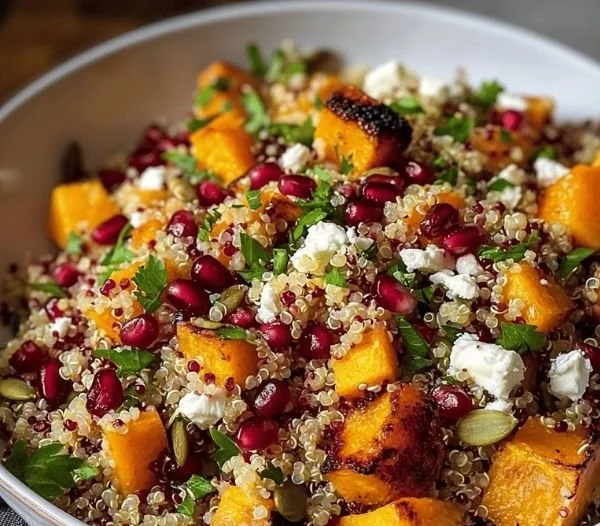
The versatility! You can serve this dressing over mixed greens, cooked quinoa, or even a grain bowl. It’s delicious paired with any type of protein, be it chicken, steak, or chickpeas. It’s what I often reach for during busy weeknights when I want something quick but tasty. Sometimes, I’ll batch-make a big jar and store it in the fridge, where it keeps for up to a week.
Just make sure to give it a quick shake before drizzling; the oils and vinegar can separate.
Making It Work for Busy Weeknights
On chaotic evenings, having a flavorful vinaigrette ready to go means my dinner prep is that much easier. Picture this: a mix of crisp romaine, cherry tomatoes, and grilled chicken all tossed in my homemade vinaigrette. Done in under 20 minutes, and the children will absolutely love it.
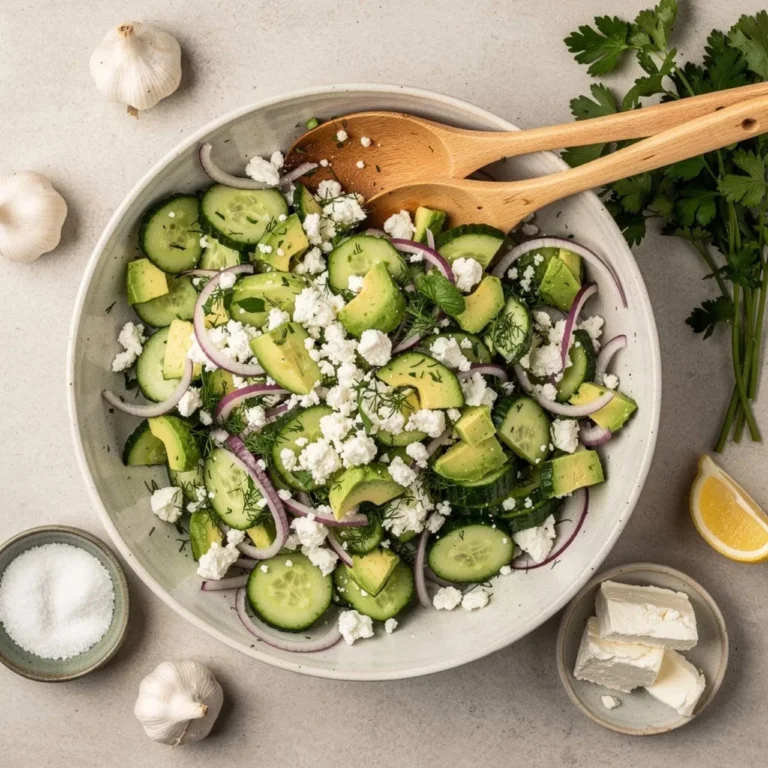
To jazz it up for guests, you could add some sliced avocados, crumbled feta, or toasted nuts. It becomes a showstopper salad!
Conclusion
In summary, this vinaigrette recipe is not just a recipe; it’s a revelation—an invitation to explore flavors that can elevate everyday meals. Every time I whip up a fresh batch, I’m reminded of the endless possibilities. Whether you stick to the original or choose to go on an adventure with different variables, you’ll always end up with something delicious.
If you’re keen to explore more vinaigrette ideas, check out this Basic Vinaigrette Recipe (Plus 3 Essential Variations!) or dive into another comprehensive guide with the Easy Homemade Vinaigrette Recipe (with Lots of Variations). Enjoy dressing up your food, one salad at a time!
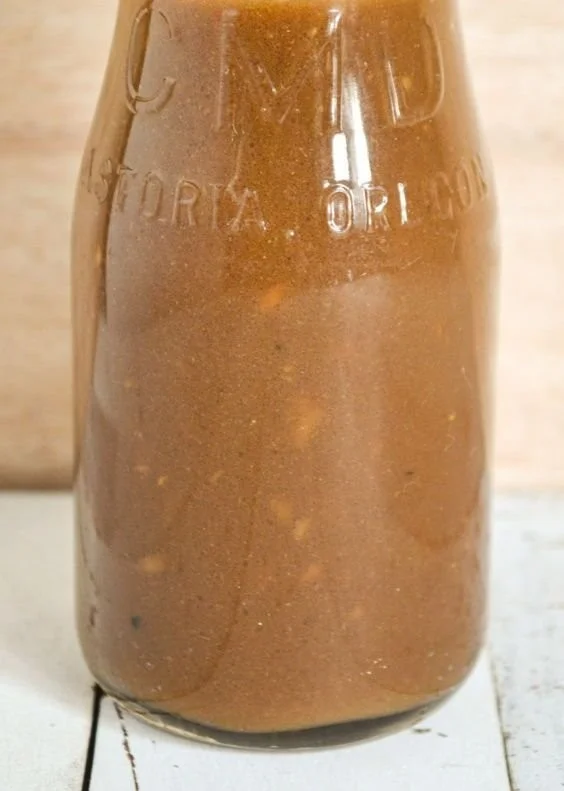
Best Vinaigrette
Ingredients
Method
- In a measuring cup or small bottle, pour in the vinegar, then add the mustard, minced garlic, black pepper, and salt.
- Whisk the mixture until fully combined. Alternatively, use an immersion blender for quicker blending.
- Store the vinaigrette in the fridge for up to a week. Shake before use as oil and vinegar may separate.