Homemade Vinaigrette Dressing
The Secret Behind Perfect Homemade Vinaigrette Dressing There’s something undeniably satisfying about making your own salad dressing, especially when it comes to a simple, yet flavorful, homemade vinaigrette. I remember the first time I whipped up a batch; I was convinced there was no way it could match the store-bought varieties. But after a few…
The Secret Behind Perfect Homemade Vinaigrette Dressing
There’s something undeniably satisfying about making your own salad dressing, especially when it comes to a simple, yet flavorful, homemade vinaigrette. I remember the first time I whipped up a batch; I was convinced there was no way it could match the store-bought varieties. But after a few quick stirs of ingredients in a bowl, I was pleasantly surprised! It became a staple in my kitchen, bringing life to my salads and veggies in the most delightful way.
Now, let’s get into the magical formula. The beauty of vinaigrette lies in its simplicity. It requires just a handful of ingredients, most of which you probably have in your pantry right now. For the base, grab 1/4 cup of olive oil; it’s wonderfully rich and brings a nice, smooth texture. Because I often prefer a touch of acidity, I reach for 2 tablespoons of either balsamic or red wine vinegar. Both have their own unique character, with balsamic lending sweetness and red wine providing a sharper edge. You can choose which suits your palate best.
Next up is the flavor enhancer. I usually include about 1 teaspoon of Dijon mustard. It not only adds a zesty punch but also helps emulsify the oil and vinegar, giving your dressing a beautiful consistency. For a hint of sweetness, a teaspoon of honey or maple syrup works wonders! This little detail can really elevate your vinaigrette from good to great. Lastly, don’t forget to sprinkle in some salt and freshly cracked pepper to taste, which brings everything together.
Whisking It All Together
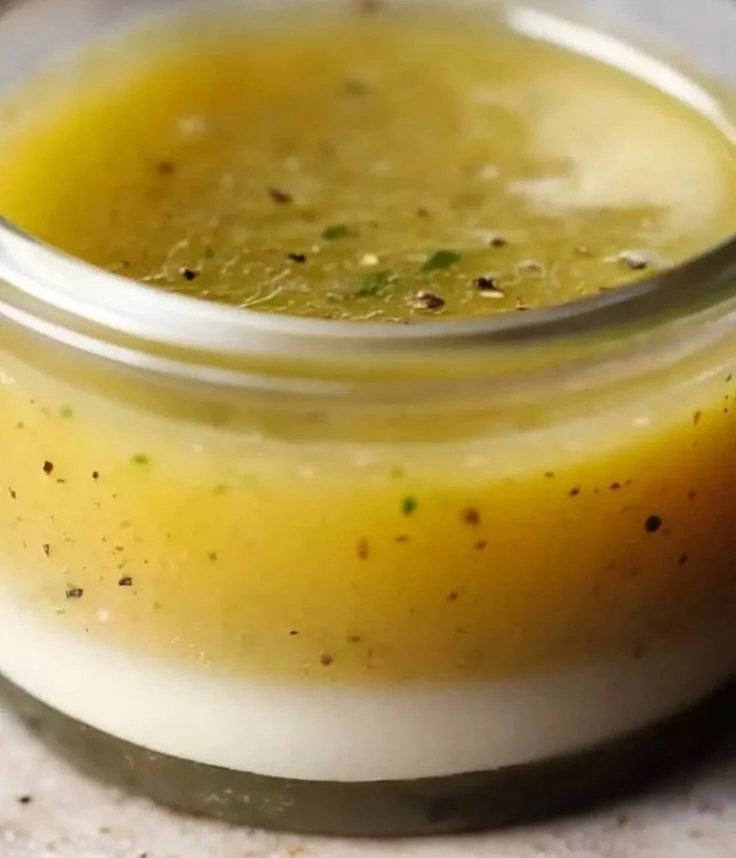
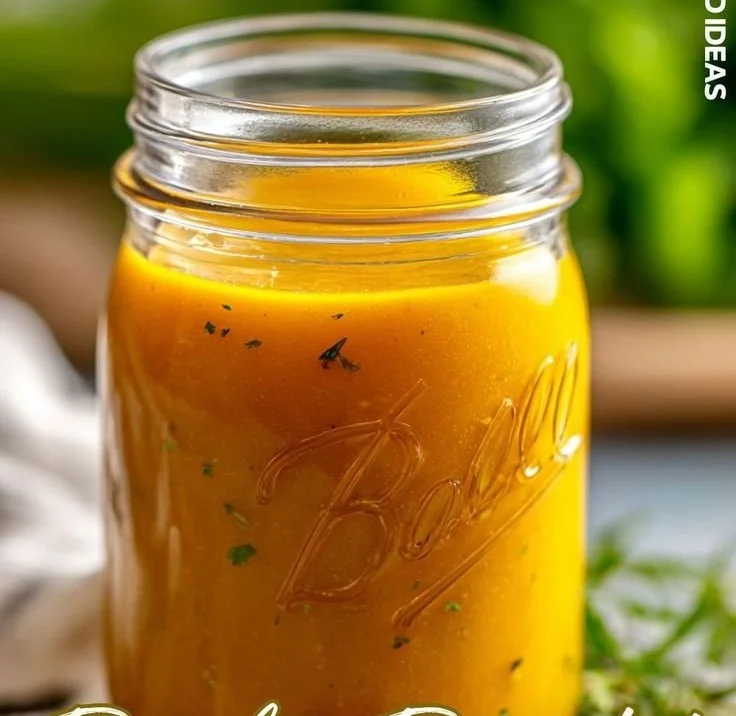
Here’s where the fun begins! In a small bowl or jar, combine your olive oil, the vinegar you’ve chosen, Dijon mustard, and that fabulous honey or maple syrup. If you’re using a jar, screw the lid on tightly—you’ll see why this is important in a moment. If you’re feeling adventurous, whisk the ingredients together in the bowl until everything is nicely blended. You’ll notice that magical moment when the oil and vinegar transform into a silky mixture, ready to be drizzled over your favorite greens.
If you’re in a rush (and let’s be honest, who isn’t sometimes?), shaking them together in the jar works just as well. Just give it a good shake until well combined. When you finish, taste a little bit. If it feels like it needs something, a dash more vinegar or a pinch more salt could do the trick. You’ll know you’ve done it right when the dressing tastes balanced—tangy, sweet, and a touch savory all at once.
A Few Things I’ve Learned
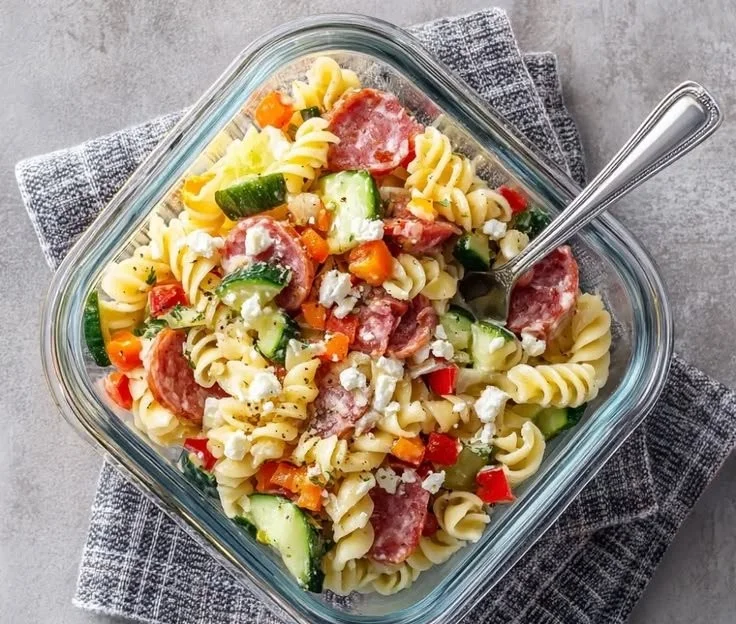
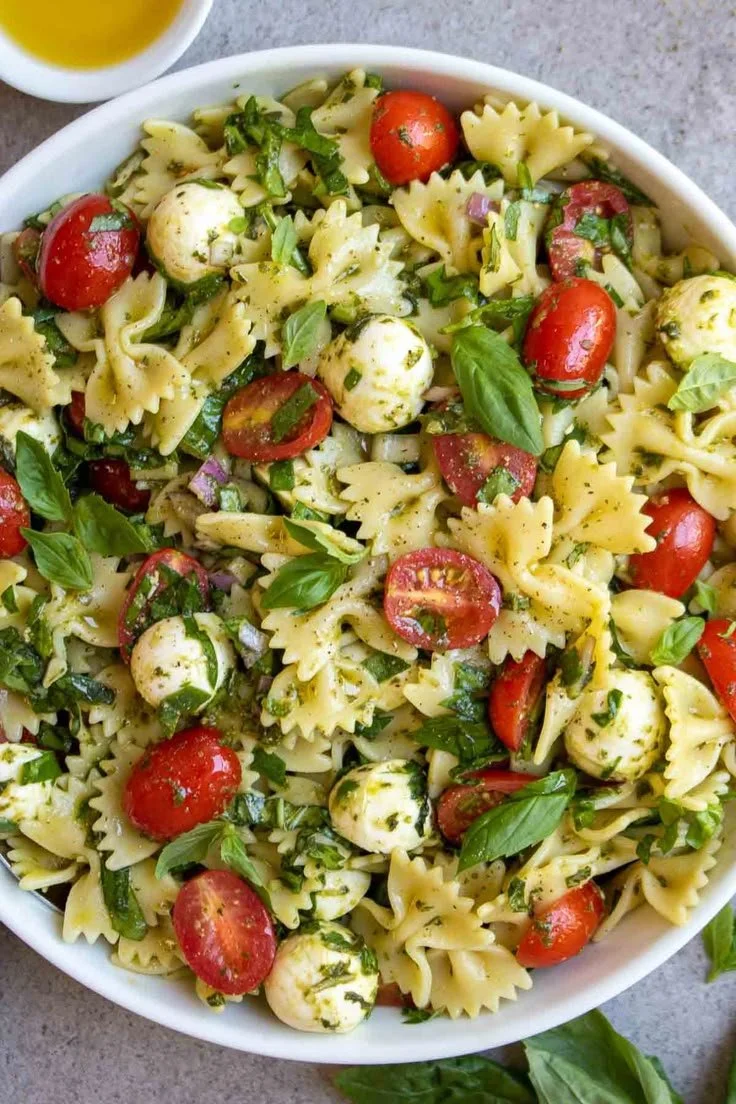
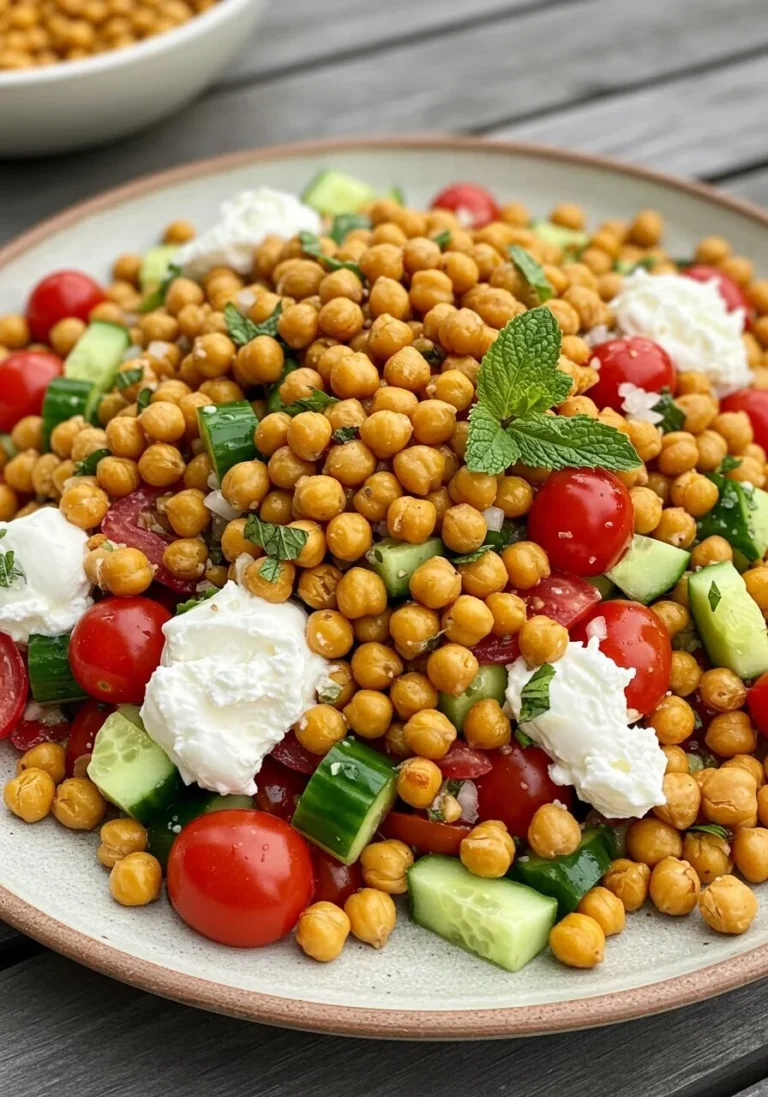
One lesson I learned early on was to adjust the flavors based on the type of salad you’re making. If you’re dressing a more robust meal, like a kale Caesar salad, you might want to enhance your vinaigrette with some garlic or Parmesan cheese for extra depth. On the other hand, for a light cucumber and chickpea salad, I stick to the basics. If you’re curious, you can check out my favorite kale salad with homemade dressing here.
Sometimes I even experiment with flavoring the oil beforehand, like infusing it with herbs or adding a few crushed garlic cloves. You’ll find that a good vinaigrette is incredibly versatile—feel free to make it your own!
When Things Don’t Go As Planned
Let’s face it, even the best cooks have off days. If you accidentally add too much oil and find your vinaigrette feels a little flat, a splash of lemon juice can cut through that richness. Similarly, if your dressing tastes too tart, a pinch more sweetener can balance that out. The trick is to taste as you go—trust me, practice makes perfect!
As you sprinkle in salt and pepper, remember that fresh herbs are another great addition. Chopped parsley, basil, or chives can add freshness and a dash of color to your dressing. So many flavors can come from this one basic recipe, and that’s what makes it so beautiful.
How to Store Leftovers
If you’re like me, making a big batch to keep on hand feels like a lifesaver. I recommend storing your vinaigrette in an airtight container in the refrigerator. It should keep well for about a week, but I bet it won’t last that long! Just give it a good shake before using, as it may separate in the fridge. The homemade version definitely has a shorter shelf life than those chemical-laden store varieties, but isn’t it worth it? There’s nothing quite like the taste of fresh, homemade dressing.
Making It Work for Busy Weeknights
I love that vinaigrette can be prepared ahead of time, making it perfect for busy weeknights. Whether you’re tossing a quick salad or drizzling it on roasted vegetables, the flavor elevates every dish. You can even use it as a marinade for chicken or fish. It’s this kind of versatility that keeps me coming back to this recipe.
While I usually stick to the classic olive oil and vinegar blend, you can switch things up with various oils—avocado or nut oil can give a different flavor while still being delicious. Just experiment; that’s part of the fun with cooking.
One day, I was looking for a quick meal and decided to make an Asian slaw. A simple vinaigrette with a splash of soy sauce and sesame oil transformed the dish into a fresh and vibrant meal in no time at all!
The Best Part About This Dish
In the end, what I cherish most about my homemade vinaigrette is the creativity it permits. It’s a space for tasting, tweaking, and finding your unique flavor balance. When I invite friends over for dinner, I often serve a big salad drizzled with this dressing. It’s a speaking point, a joy to share. And the moment someone takes the first bite and their eyes light up, it fills my heart with warm satisfaction.
I love sharing this recipe with anyone who will listen. Every time I make it, it feels like I’m passing on a little piece of culinary magic that can elevate any meal, and I can’t wait to see how you make it your own.
Conclusion
Homemade vinaigrette dressing is a simple yet powerful staple that can transform your meals. With just a few ingredients like olive oil, vinegar, mustard, and a touch of sweetness, you can create a flavorful dressing that’s versatile enough for any salad. If you’re curious about variations, the Basic Vinaigrette Recipe offers essential twists to explore. For those just starting out, the Homemade Vinaigrette Salad Dressing Recipe provides an easy guide. Happy dressing!
Homemade Vinaigrette Dressing
Ingredients
Method
- In a small bowl or jar, combine the olive oil, vinegar, Dijon mustard, and honey or maple syrup.
- If using a jar, screw the lid on tightly and shake until well combined. If using a bowl, whisk until the mixture is nicely blended.
- Taste the vinaigrette and adjust flavors by adding more vinegar or salt as needed.