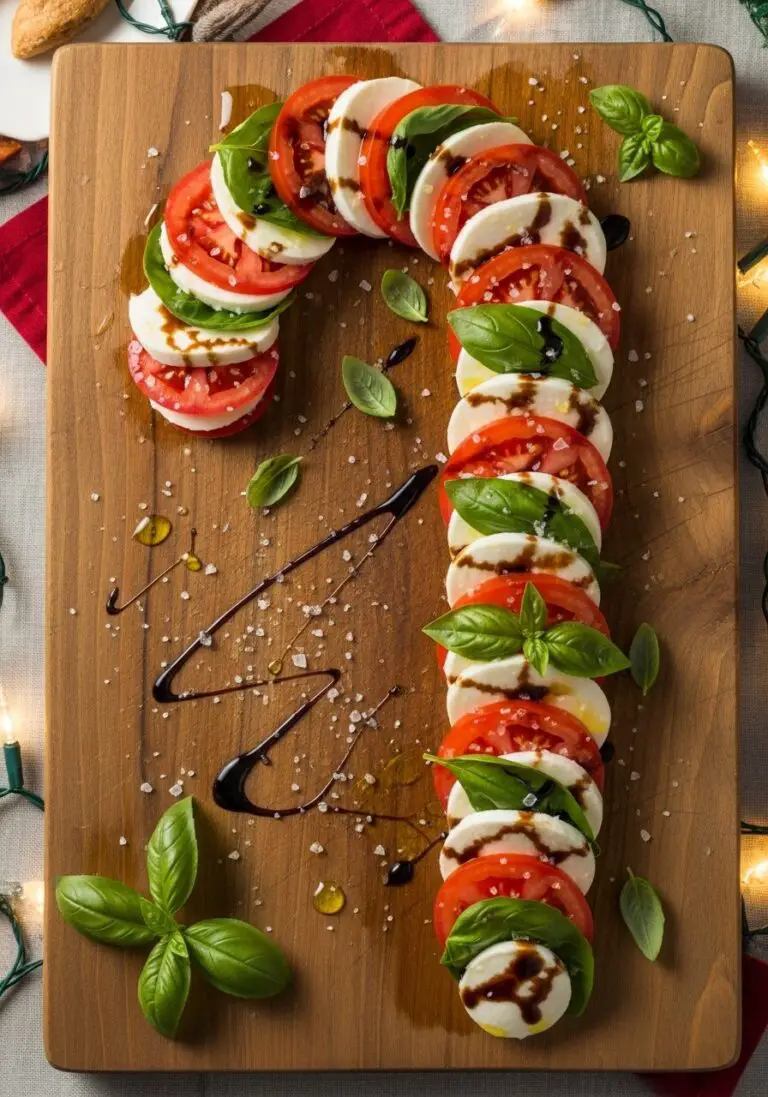
Homemade Vinaigrette
A Simple Joy: Homemade Vinaigrette There’s something incredibly rewarding about making your own salad dressings, especially when it comes to vinaigrette. The beauty lies in the simplicity of it all. With just a few ingredients, you can create a delicious, fresh dressing that elevates your salads from mundane to marvelous. Every time I whip up…
A Simple Joy: Homemade Vinaigrette
There’s something incredibly rewarding about making your own salad dressings, especially when it comes to vinaigrette. The beauty lies in the simplicity of it all. With just a few ingredients, you can create a delicious, fresh dressing that elevates your salads from mundane to marvelous. Every time I whip up this homemade vinaigrette, I’m reminded of summer evenings spent at my grandmother’s house, where a fresh garden salad was a staple. So, let me share this delightful recipe that I’ve fallen in love with.
The Secret Behind Perfect Homemade Vinaigrette
To make your vinaigrette, you only need a handful of ingredients: 3 tablespoons of olive oil, 1 tablespoon of vinegar (choose your favorite—balsamic, red wine, or apple cider all work beautifully), 1 teaspoon of Dijon mustard, 1 clove of minced garlic, and a sprinkle of salt and pepper. It’s amazing how this combination can transform a simple salad into a flavor sensation.
Getting Started: The Mixing
I usually start by grabbing a small bowl. First, I whisk together the vinegar, Dijon mustard, and minced garlic. This is where the magic begins! The tanginess of the vinegar pairs perfectly with the sharpness of the mustard, creating a flavorful base. As you whisk, you can almost feel the dressing coming to life.
The next step is where it gets really fun. While whisking, I slowly drizzle in the olive oil. This part is crucial—slow and steady wins the race! It helps to emulsify the dressing, giving it that rich and creamy texture we all love. Keep whisking until everything is well combined and emulsified; you’ll know it’s ready when it has a smooth consistency, and the oil and vinegar have merged into a beautiful golden liquid.
Flavoring with a Personal Touch
Seasoning with salt and pepper is the finishing touch. Everyone’s taste is different, so I recommend starting with a small pinch and adjusting from there. Sometimes I like to add a dash of honey or maple syrup if I’m feeling adventurous; it adds a lovely touch of sweetness and balances the acidity perfectly.
My Grandmother’s Trick
One of the greatest lessons I learned from my grandmother involves garlic. She always said that the fresher the garlic, the more vibrant the flavor. I took this to heart, especially when making this vinaigrette. A clove fresh from the bulb can make all the difference, adding a delightful punch to your dressing.
When Things Don’t Go As Planned
Now, there have been times when I miscalculated the ratios and ended up with a vinaigrette that was too tangy or too oily. What to do in those situations? Adjusting a bit is perfectly fine—add a touch more olive oil or vinegar to balance it out. Don’t stress; making homemade vinaigrette is forgiving! Just keep tasting as you go along until you find that inspired spot of flavor.
Serving with Flair
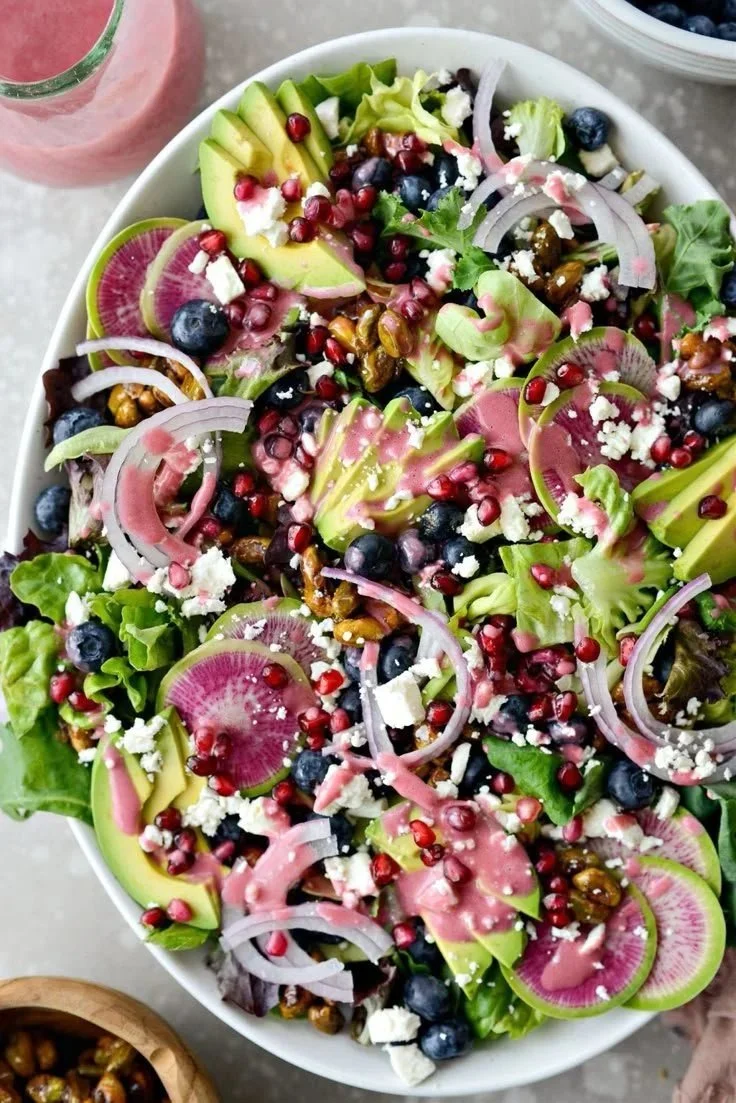
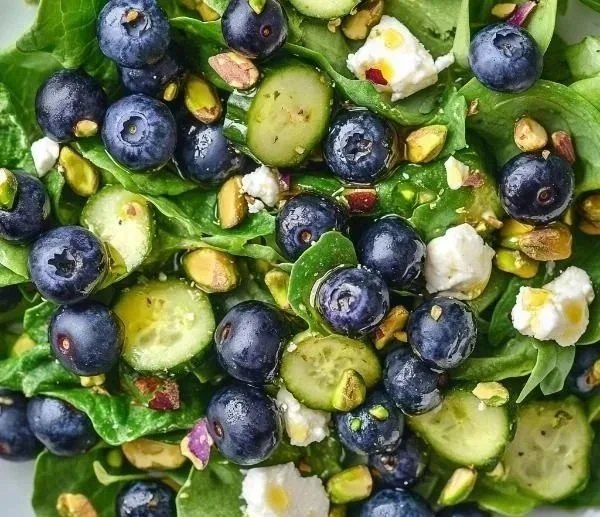
I often use this vinaigrette on a fresh garden salad with vibrant greens and colorful veggies. You can really let your creativity shine here—think juicy tomatoes, crisp cucumbers, and maybe even some roasted nuts for crunch. If you’re looking to amp this dressing up even more, try drizzling it over a stunning baked marinated chicken salad with mozzarella, which is another favorite of mine. You’ll find that vinaigrette balancing beautifully with the rich flavors of the dish.
Making It Work for Busy Weeknights
The best part of this homemade vinaigrette is how it can work wonders even on the busiest nights. I usually whip up a batch ahead of time and store it in a sealed jar in the refrigerator. It keeps well for up to a week, so you can always have a delicious dressing ready to go. Just give it a good shake before using—separation is totally normal!
The Ingredient That Changes Everything
One of the favorite variations I’ve played with is swapping out the vinegar. I love using apple cider vinegar for a slightly sweeter note or red wine vinegar when I’m craving a more robust flavor. Each brings a different character to the vinaigrette. There’s a whole world of possibilities waiting for you, so feel free to experiment!
A Few Things I’ve Learned
As someone who’s continually trying to refine my culinary skills, I’ve found that the quality of your ingredients matters. A good extra virgin olive oil can elevate the entire dish. It’s worth investing a little more in quality oils, as their flavor will shine through in your vinaigrette.
Conclusion
Making your own homemade vinaigrette is not just about creating something delicious; it’s about embracing simplicity and freshness in your cooking. With a handful of ingredients and a few simple steps, you can whip up a delightful dressing that enhances your meals in so many ways. Whether you keep it classic or switch up the ingredients with zestier options, this vinaigrette truly represents the joy and creativity of cooking. For more inspiration, check out this Basic Vinaigrette Recipe or dive into this great Homemade Vinaigrette Salad Dressing Recipe. Happy cooking!
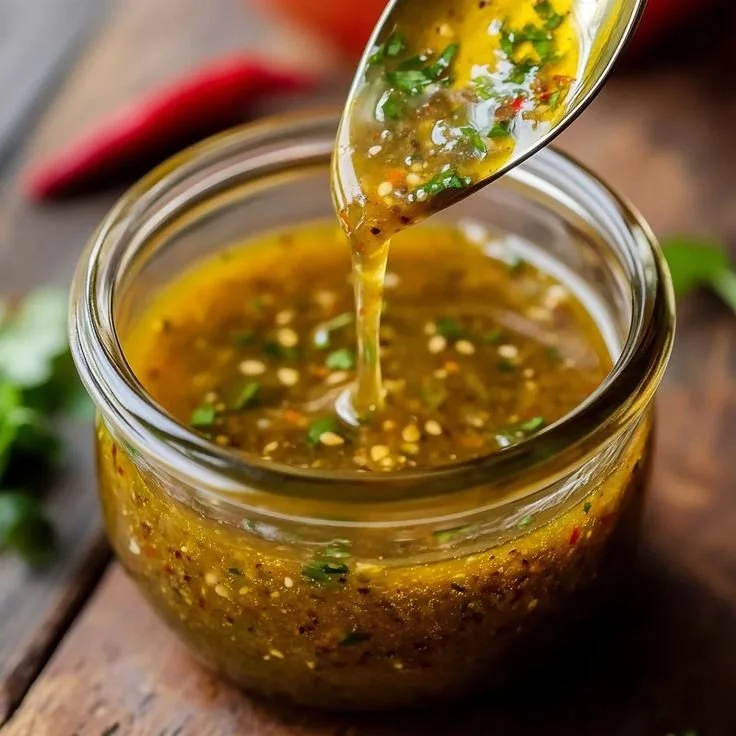
Homemade Vinaigrette
Ingredients
Method
- In a small bowl, whisk together the vinegar, Dijon mustard, and minced garlic.
- While whisking, slowly drizzle in the olive oil until emulsified and smooth.
- Season with salt and pepper to taste. Adjust based on your flavor preference.
- Store the vinaigrette in a sealed jar in the refrigerator for up to a week.
- Shake well before using, as separation is normal.