Lemon Posset
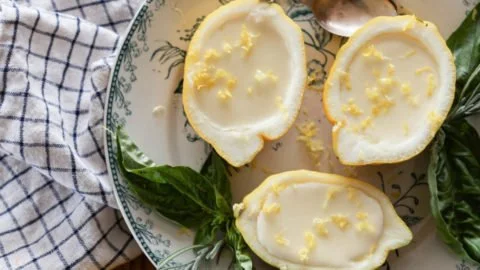
Biting into a spoonful of lemon posset for the first time felt like catching sunlight in my mouth. The cream had thickened into something silky and dense, the lemon bright but not shouting, and the hollowed lemon shell I’d made into a cup looked impossibly charming on the table. That afternoon I also made a…
Biting into a spoonful of lemon posset for the first time felt like catching sunlight in my mouth. The cream had thickened into something silky and dense, the lemon bright but not shouting, and the hollowed lemon shell I’d made into a cup looked impossibly charming on the table. That afternoon I also made a green smoothie for company, the same citrus note tying things together, which reminded me of recipes like the anti-inflammatory lemon blueberry smoothie I sometimes reach for when I want freshness with purpose.
The Moment I Got Hooked
I used to think custards always required tempering, patience and a file of intimidating techniques. Then I learned posset, a centuries-old English custard, is gloriously simple: cream, sugar and lemon juice. The acid alone sets the cream into a glossy, spoonable dessert without eggs or gelatin. That discovery led me down an experimental path: trying it in lemon cups, testing textures, and learning that the tiny choices—how long you simmer, whether you strain, whether you zest on top—change the personality of the final dish.
What lands on your counter
- 2 cups Heavy Cream
- 3/4 cup Granulated White Sugar
- 2 Juice of Ripe Lemons (about 2 tablespoons each, total depends on your lemons)
- Lemon Zest (for finishing)
- 4 Lemons, Halved and Hulled (to use as cups)
If you don’t want to use lemon shells, ramekins work perfectly. If you find lemons with leaves, they make the presentation extra cute. I list everything here so you can glance once and get going; later I’ll explain why each item matters.
The Little Science Experiment
I like to think of the stovetop as a small laboratory. Combine 2 cups cream and 3/4 cup sugar in a small saucepan. Stir them together and bring to a gentle boil, then cook for 2 to 3 minutes over medium heat. The goal isn’t a furious boil but that quiet rise of cream where sugar dissolves and proteins begin to change. Stir in the juice of the two ripe lemons. The acid will thicken the cream immediately—watch it bloom into a satiny, slightly thicker mixture. Pour the lemon cream mixture into your hulled lemon cups or small ramekins and refrigerate until set, about 5 hours. Note: after a couple of hours you should see the mixture start to set. When you serve, add a little extra lemon zest and a sprig of mint, lavender, or any herb you like.
The Waiting Game
Patience here is rewarded. After a couple of hours the posset will show a faint wobble; by five hours it holds a gentle, firm shape but still yields easily to a spoon. If you taste it too early it will feel loose and overly sweet; too late and it can be overly firm. A properly set posset is cool, silky and leaves a fresh citrus snap on the palate.
Small Experiments I Tried
- Zesting into the mix versus only on top changed the aroma dramatically. Zest folded into the warm cream felt integrated; zest on top read like an extra bright exclamation at the end.
- I tried a quick strain after adding lemon juice to catch any curdled bits. It isn’t necessary if you use a gentle hand, but it buys you a perfectly smooth surface.
- Baking in small jars rather than lemon shells made the posset easier to store and transport.
How to know this is done right
Look for a smooth surface with a slight jiggle, like a firm panna cotta. The texture should be dense yet tender—no graininess from undissolved sugar and no separate pockets of whey. Taste should balance sweet creaminess with a definite lemon bite. If it tastes flabby or too sugary, next time cut the sugar by a tablespoon or two; if it’s too tart, reduce lemon juice slightly or add a touch more cream.
Three practical tips I always use
- Use ripe lemons. They yield more juice and have a brighter, deeper flavor.
- Keep the boil gentle. A rolling boil can scald the cream or cause unwanted separation.
- Hollow lemons carefully with a small spoon or melon baller; thin shells will collapse and thick shells make prettier cups.
A few variations you can try
- Lavender infusion: Add a teaspoon of dried culinary lavender to the cream while it heats, steep for 10 minutes off heat, strain, then proceed. This gives a floral lift that pairs beautifully with lemon.
- Berry swirl: Fold a spoonful of raspberry compote into the bottom of ramekins before pouring the posset, then swirl lightly for a fruity ribbon.
- Lighter version: Substitute half-and-half for heavy cream for a less rich but still delightful texture, though set time may vary.
Substitutions and swaps
If you can’t find heavy cream, use a mix of whole milk and a little cornstarch to mimic richness, though the texture won’t be identical. For a dairy-free take, full-fat coconut milk can work; expect a coconut undertone that pairs well with lemon.
What to serve it with
Posset is elegant on its own. Serve it after a light fish dinner, such as baked lemon garlic cod with butter sauce, or alongside grilled salmon like baked salmon with lemon butter sauce for a citrus-threaded meal. For texture contrast, add shortbread cookies or almond biscotti on the side.
Storage and leftovers
Cover ramekins or lemon cups tightly and refrigerate. Leftovers keep well for up to 3 days but are best within 24 to 48 hours when the lemon is freshest. If using lemon shells, store them upright in a container so they don’t spill. Do not freeze; the texture can become grainy on thawing.
A personal touch
I like to serve lemon posset in the lemon shells when friends come by because it feels like giving back a transformed fruit. One summer, I made a batch in the morning, tucked them in the refrigerator, and by dinner guests were convinced I’d spent hours fussing. The truth is simplicity often reads like sophistication.
Final practical checklist before you start
- Hollow four lemons if serving in shells, or set out ramekins. If lemons have leaves, save them.
- Heat 2 cups heavy cream with 3/4 cup sugar, bring to gentle boil, cook 2 to 3 minutes.
- Stir in juice of two ripe lemons. Pour into cups and refrigerate about 5 hours until set.
- Finish with lemon zest, mint or lavender.
Conclusion
If you want a quick reference with a short video to watch the method in action, I recommend this clear tutorial and recipe: Natasha’s Lemon Posset video and recipe.
Lemon Posset
Ingredients
Method
- Hollow four lemons if serving in shells, or set out ramekins.
- Heat 2 cups of heavy cream with 3/4 cup of sugar in a small saucepan.
- Stir the mixture and bring to a gentle boil, cooking for 2 to 3 minutes.
- Stir in the juice of the two ripe lemons and watch the cream thicken.
- Pour the lemon cream mixture into your hulled lemon cups or small ramekins.
- Refrigerate until set, about 5 hours.
- Before serving, add a sprinkle of lemon zest and a sprig of mint, lavender, or any herb you prefer.