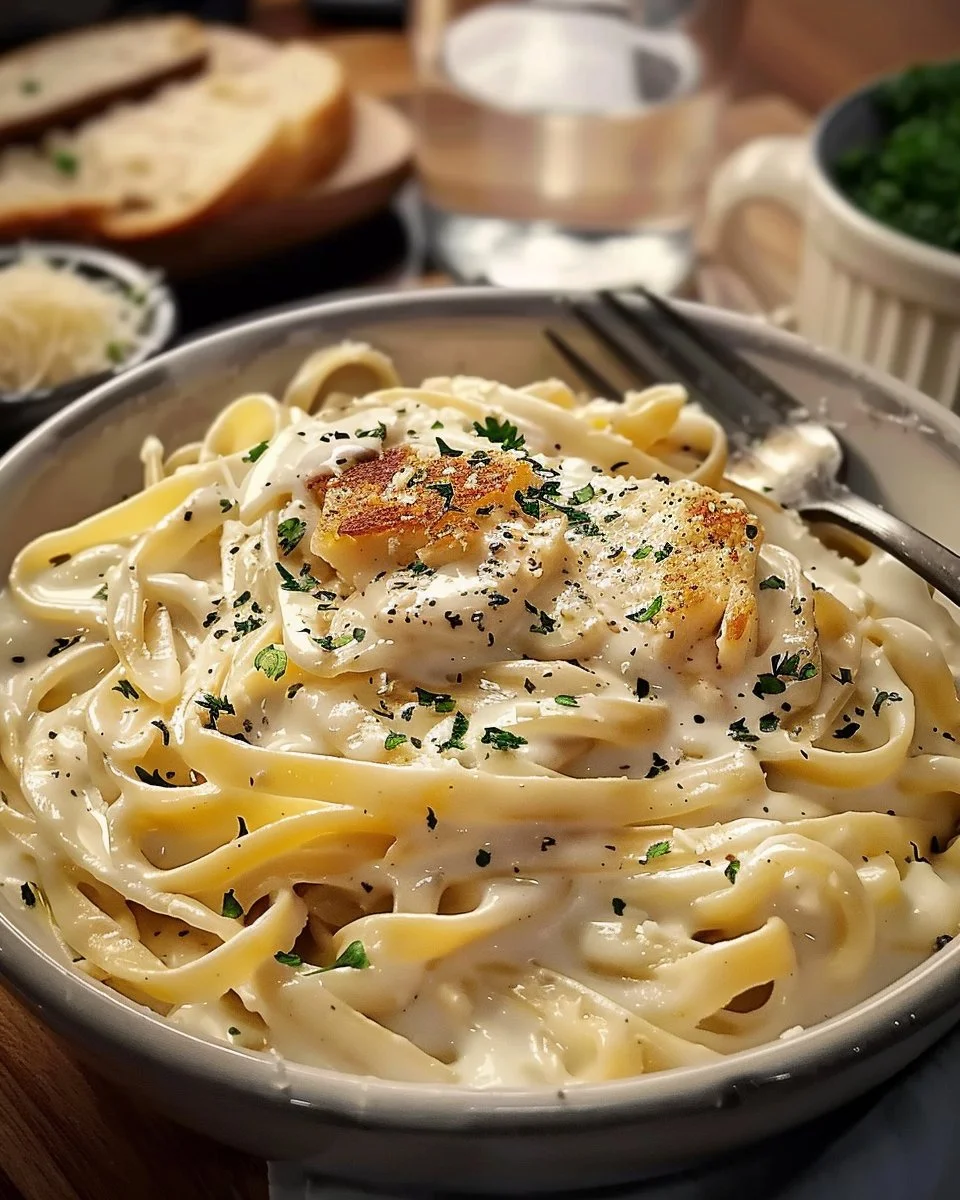
Ultimate Creamy Fettuccine Alfredo Recipe
When I First Fell for Ultimate Creamy Fettuccine Alfredo Recipe I still remember the evening my kitchen filled with the most ridiculous, rich scent of butter and Parmesan and I thought, this is what comfort smells like. I call it the Ultimate Creamy Fettuccine Alfredo Recipe because it takes the familiar restaurant classic and makes…
When I First Fell for Ultimate Creamy Fettuccine Alfredo Recipe
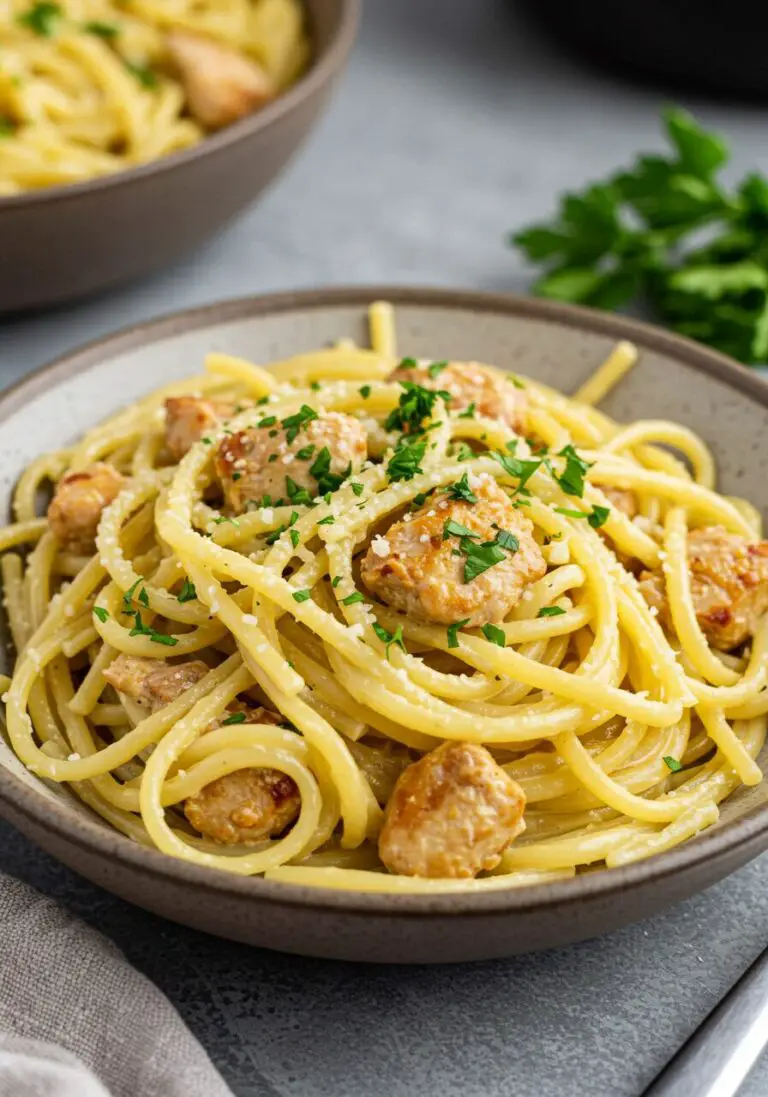
I still remember the evening my kitchen filled with the most ridiculous, rich scent of butter and Parmesan and I thought, this is what comfort smells like. I call it the Ultimate Creamy Fettuccine Alfredo Recipe because it takes the familiar restaurant classic and makes it feel like something I could hug. It is simple, but there are tiny moves that make it sing, and I want to tell you about how I make it at home when I need a little indulgence.
The Ingredient Moment
You do not need a pantry of obscure things to make this. Really, the lineup is short and unpretentious: 400g (14 oz) fettuccine pasta for the chewy canvas, 1 cup heavy cream and 1/2 cup unsalted butter for the luscious base, and 1 cup freshly grated Parmesan cheese because pre-grated will never melt the same way. I toss in 1 clove garlic, minced, for a whisper of savory depth, and then salt and freshly ground black pepper to taste. If I am playing host or want the dish to look pretty, I sprinkle on some fresh parsley for garnish, optional but charming. Say those ingredients out loud and you can already imagine the texture: glossy sauce clinging to each ribbon of pasta.
The Secret Behind Perfect Texture
The first time I tried to make Alfredo, I overheated the cream and ended up with a sauce that looked flat. Since then I learned a few things that change everything. Bring a large pot of salted water to a rolling boil and cook the fettuccine until it is al dente; I usually taste it a minute or two before the package time because I like a slight bite. Always scoop out a cup of the pasta cooking water before you drain; that starchy water is your secret weapon for loosening or binding the sauce.
While the pasta cooks, melt the butter gently in a wide skillet over medium-low heat and add the minced garlic. Let it wake up the butter but do not let the garlic brown. Pour in the heavy cream and let it warm until you see little pearls of steam and the mixture thickens slightly. At this point I turn the heat down and sprinkle in the freshly grated Parmesan, stirring constantly so the cheese melts into the cream without clumping. The moment you take the pan off the heat matters because cheese can become grainy if it cooks too long.
Add the drained pasta to the skillet and toss it with the sauce, adding spoonfuls of reserved pasta water until each strand is silky and coated. Season with salt and plenty of freshly ground black pepper. You will know it is done when the sauce clings to the fettuccine like a soft blanket and when the aroma of butter and garlic rises with every twirl. If it seems too loose, a quick simmer with the pasta lets it thicken; if it seems too thick, a splash of the pasta water will restore that creamy sheen.
A Few Things I’ve Learned (and Wish I Knew Sooner)
One of my first lessons is about cheese. Always use freshly grated Parmesan. It melts smoother and tastes brighter. Another is patience with heat. Keep the flame gentle; high heat is the enemy of a velvety sauce. Also, do not throw away the pasta water. It sounds like a throwaway detail but that cloudy water, warmed with the sauce, is what binds the cheese and cream so nothing breaks. If you want to add more flavor, grate a little extra Parmesan on top once plated and crack extra pepper over it. When you serve, the sound of forks scraping the bowl is oddly satisfying.
When I am in a hurry, I sometimes melt the butter and garlic, add the cream, and simmer for a minute while the pasta cooks. That shaves off time without sacrificing taste, but I still resist the urge to crank the heat. For a silkier finish, finish the sauce off the heat before stirring in the cheese; residual warmth is enough to melt it without overcooking.
The Best Part About This Dish
Beyond the taste, my favorite thing is how flexible it is. It pairs with a simple green salad dressed in lemon and olive oil, or roasted vegetables for a weeknight balance. If you want to make it a full meal, pan-seared chicken breasts or a few slices of prosciutto lift it into dinner party territory. The texture is what gets me every time: the fat from the butter and cream, the granular pop of Parmesan, the way the fettuccine holds it all together. Serve it on warmed plates so the sauce does not cool too fast.
Making It Your Own: Variations and What To Watch For
If you like a lighter version, swap half the heavy cream for whole milk, but know the sauce will be thinner and less decadent. For a garlickier punch, add another clove of garlic sautéed with the butter. If you crave herbs, fold in a tablespoon of chopped fresh parsley or basil at the end for color and a fresh lift. For a more robust version, sauté sliced mushrooms or shrimp first, then remove them and use the same pan to build the sauce so their flavor carries through.
To know when it is done right, watch for a glossy sheen and a sauce that clings to the pasta rather than puddles on the plate. Taste frequently and trust your sense of salt; Parmesan is salty, so adjust gradually. If the sauce looks grainy or separated, a splash of warm pasta water and vigorous stirring usually brings it back.
If things go wrong and the sauce is too thin, let it bubble gently for a minute to reduce. If it is split or greasy, remove the pan from the heat, add a small handful of grated cheese, and whisk briskly while adding a little pasta water to emulsify.
How I Make It Ahead and Store Leftovers
Sometimes I prepare the sauce a little ahead when guests are arriving. I cook the fettuccine just shy of al dente, toss it with a smidgen of butter to keep it from sticking, and refrigerate the elements separately. When ready to serve, warm the sauce slowly, reheat the pasta briefly in the simmering sauce, and add reserved pasta water as needed. Leftovers store well in the refrigerator for up to three days in an airtight container. Reheat gently on the stove over low heat with a splash of milk or cream so the sauce relaxes back into a silky texture. I do not recommend freezing this because the cream will change texture when thawed.
A few of my kitchen tricks: always grate cheese yourself, reserve pasta water, and use the lowest heat that will do the job. Also, add black pepper generously; its bite balances the richness.
Conclusion
If you want a deeper dive into homemade Alfredo nuances, I found this helpful resource about making Alfredo from scratch when I was tinkering with the balance between cheese and cream: The Salty Marshmallow’s Best Homemade Alfredo Sauce. Try this Ultimate Creamy Fettuccine Alfredo Recipe on a night when you want something soothing and a little extravagant. Make the garlic gentle, the heat low, and the company good.
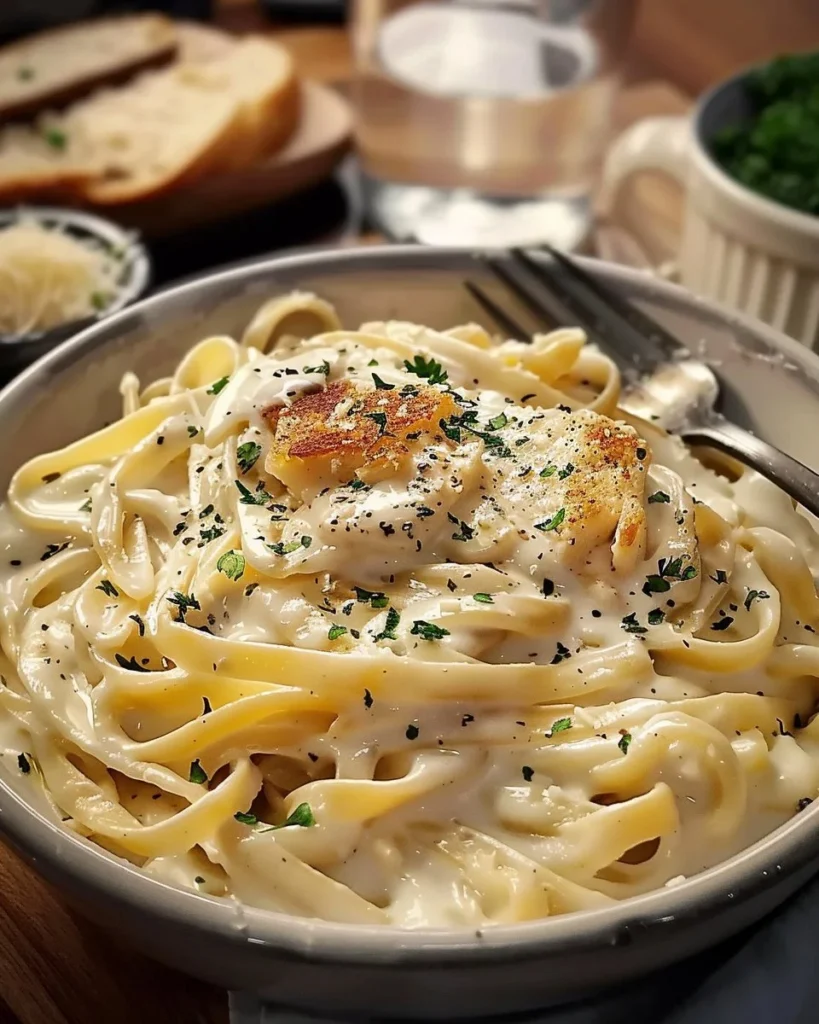
Ultimate Creamy Fettuccine Alfredo
Ingredients
Method
- Bring a large pot of salted water to a rolling boil.
- Cook the fettuccine until al dente, typically tasting a minute or two before the package time.
- Before draining, scoop out a cup of the pasta water.
- Melt the butter gently in a wide skillet over medium-low heat.
- Add minced garlic and let it flavor the butter without browning.
- Pour in the heavy cream and warm until slightly thickened.
- Sprinkle in the freshly grated Parmesan, stirring constantly until melted.
- Add the drained pasta to the skillet and toss with the sauce.
- Add spoonfuls of reserved pasta water until the pasta is silky and well-coated.
- Season with salt and black pepper to taste.