Vinaigrette
A Simple Joy: My Favorite Vinaigrette Vinaigrette has long been one of my go-to recipes. There’s something so satisfying about whipping up this tangy dressing that adds a burst of flavor to salads and marinated dishes alike. I fondly remember the first time I made it; I was in my tiny apartment kitchen, feeling like…
A Simple Joy: My Favorite Vinaigrette
Vinaigrette has long been one of my go-to recipes. There’s something so satisfying about whipping up this tangy dressing that adds a burst of flavor to salads and marinated dishes alike. I fondly remember the first time I made it; I was in my tiny apartment kitchen, feeling like I had just unlocked some secret culinary door. Little did I know, this simple mixture of oil, vinegar, and an exciting blend of other ingredients would become a staple in my kitchen.
I love how versatile this vinaigrette is. Whether I’m tossing it on a fresh salad, drizzling it over roasted vegetables, or using it as a marinade for chicken, it rarely leaves my fridge. Plus, it’s incredibly quick to make. Just grab your ingredients, and you’re on your way. Let’s dive into how I make it.
The Secret Behind Perfect Vinaigrette
To create this vinaigrette, you’ll need a few simple ingredients. Start with 1/2 cup of extra-virgin olive oil and 3 1/2 tablespoons of red wine vinegar. The rich, fruity flavor of the olive oil and the bright acidity of the vinegar are what make this dressing irresistible. Then, add in 2 teaspoons of Dijon mustard, which adds that delightful punch and helps to emulsify the dressing.
Another must-have for me is a tablespoon of honey. This touch of sweetness balances the acidity of the vinegar beautifully. Of course, you can’t skip the addition of a small garlic clove, minced finely, which brings a lovely aroma and depth to the mix. To finish it off, you’ll want to include a generous pinch of salt, a hint of freshly ground black pepper, and if you’re feeling adventurous, a pinch of dried thyme. While this last ingredient is optional, I feel it adds a wonderful herbaceous note.
Getting the Texture Just Right
Now that you have your ingredients lined up, you’ll want to grab a bowl or a jar. Personally, I love using a jar because you can shake it up without making a mess. Combine the olive oil, red wine vinegar, Dijon mustard, honey, and minced garlic. At this point, you can whisk these ingredients together or seal up the jar and give it a good shake. You want it to emulsify nicely, where the oil and vinegar come together into a glossy blend. This should take just a minute or so.
Once you see it coming together and looking all luscious, taste your vinaigrette. That’s where the magic happens! Feel free to adjust the salt, pepper, or more honey as needed. Sometimes I want an extra kick, so I’ll add a tiny bit more Dijon or a touch more honey if I’m in the mood for something slightly sweeter.
Making It Work for Busy Weeknights
One of the best parts about this vinaigrette is that you can make it ahead of time. I often whip up a batch on Sunday evening, and it keeps beautifully in the fridge for up to a week. Just make sure to give it a little shake before using, as it might separate over time.
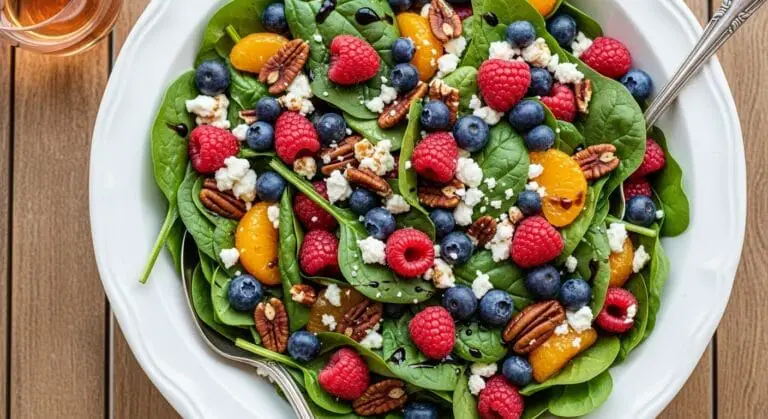
It’s perfect for busy weeknights when you need something quick yet elegant. For those evenings, I love to pour it over a simple salad of mixed greens, cherry tomatoes, and whatever veggies I have left in the fridge. Honestly, it elevates even the most modest salad into something special. If you’re craving some protein, it pairs wonderfully with this Baked Marinated Chicken Salad, where the vinaigrette complements the flavors beautifully.
A Few Things I’ve Learned
In my journey with vinaigrette-making, I’ve discovered a few little tricks that can help you create the best version of this dressing. First, always use high-quality olive oil. It makes a world of difference in flavor! Also, don’t be afraid to experiment. Sometimes I’ll swap out the red wine vinegar for balsamic or even apple cider vinegar. Each brings a unique taste to the dressing.
Another tip is to add a sprinkle of fresh herbs like basil or parsley for that extra pop of flavor when serving. Fresh herbs not only lend their wonderful aroma but also elevate the look of any dish.
When Things Don’t Go as Planned
Every cook has those moments when things don’t go as expected. Perhaps you added too much vinegar or salt. Don’t worry! If you find your vinaigrette too tangy, just beat in a little more oil or a dash of honey to balance it out. It’s all about personal taste, so adjust as needed.
And if you ever find yourself with extra vinaigrette left in your jar, consider dousing it over roasted potatoes or grilled fish. Its uses are endless, and you’d be surprised at how it brightens up leftovers.
What to Serve It With
As I mentioned earlier, this vinaigrette is a magnificent dressing for salads, but its uses don’t stop there. I frequently use it as a marinade for roasted veggies—think mushrooms, bell peppers, and zucchini. I also love pouring it over quinoa or farro bowls for lunch. You’d be amazed at how a little vinaigrette can put life back into leftover grains from the night before.
Conclusion
In closing, this vinaigrette has become more than a recipe; it’s a dash of my culinary adventure that infuses my meals with flavor and joy. I truly believe that the best dressing is one you can customize, and this is just the beginning! If you’re eager to explore even more variations, check out this basic vinaigrette recipe with variations or try an all-purpose version from Dinner: A Love Story for more inspiration. Happy cooking!
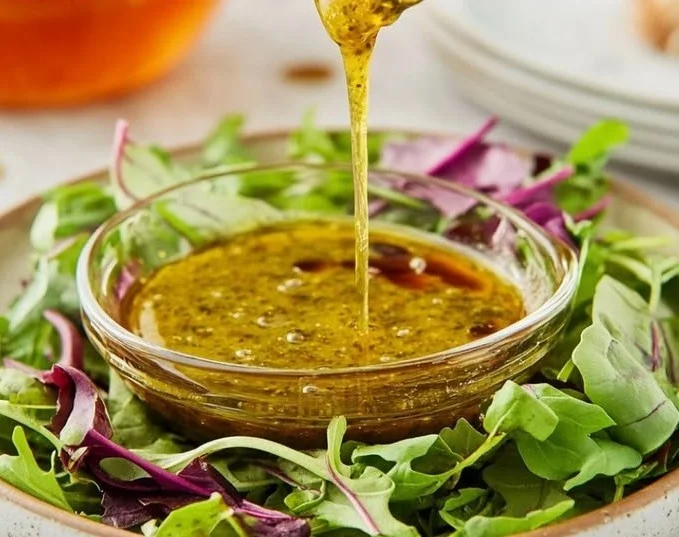
Favorite Vinaigrette
Ingredients
Method
- Combine olive oil, red wine vinegar, Dijon mustard, honey, and minced garlic in a bowl or jar.
- Whisk together or seal the jar and shake until emulsified.
- Taste the vinaigrette and adjust seasoning with more salt, pepper, or honey as needed.
- Use vinaigrette on salads, roasted vegetables, as a marinade, or over grains like quinoa or farro.
- Store in the fridge for up to a week; shake before use.