Homemade Amish White Bread
The Heart of Homemade Amish White Bread There’s something incredibly nostalgic about the scent of fresh bread wafting through the kitchen, isn’t there? The very mention of Amish white bread brings back memories of bustling kitchens filled with family and laughter. This Homemade Amish White Bread recipe is not just about the ingredients; it’s about…
The Heart of Homemade Amish White Bread
There’s something incredibly nostalgic about the scent of fresh bread wafting through the kitchen, isn’t there? The very mention of Amish white bread brings back memories of bustling kitchens filled with family and laughter. This Homemade Amish White Bread recipe is not just about the ingredients; it’s about the experience, the love baked into every loaf, and the joy it brings to the table. If you’ve ever wanted to create that comforting atmosphere in your own home, you’re in for a treat.
To get started on this delightful journey, you’ll need a few basic ingredients: 4 cups of all-purpose flour, 2 1/4 teaspoons of active dry yeast, 1 1/2 cups of warm water, 1/4 cup of granulated sugar, 1/4 cup of vegetable oil, and 1 teaspoon of salt. It’s amazing how these simple components can come together to form something truly special.
Engaging with the Process
The beauty of making Homemade Amish White Bread is in the process itself. Begin by dissolving the sugar in that warm water—aim for a temperature that’s just right, like a cozy bath for the yeast. Sprinkle the yeast on top and let it sit for about five minutes until it froths up, showing that it’s alive and kicking. It’s this little bloom of yeast that’s the foundation of your bread.
Once it’s frothy, stir in the vegetable oil and salt. Then, gradually add your flour, mixing until a dough begins to form. This is where the real fun starts—once you have a shaggy mass, it’s time to knead. Flour your surface and get your hands in there. Knead the dough for about ten minutes until it’s smooth and elastic. There’s something so therapeutic about this stage; it’s almost meditative.
After you’ve worked your dough into shape, place it in a greased bowl and cover it. Find a warm spot in your home, maybe near the stove or in a sunny window, and let it rise until it doubles in size, which takes about 1 to 1.5 hours. I often take this time to tidy up the kitchen or catch up on a favorite podcast—it’s the perfect excuse for a little pause.
The Art of Shaping and Baking
When the dough has risen beautifully, it’s time to punch it down, which can feel oddly satisfying. Shape it into a loaf and place it in a greased loaf pan. Cover it again and let it rise once more for about 30 to 45 minutes. This second rise is crucial for creating that light, fluffy interior we all love in homemade bread.
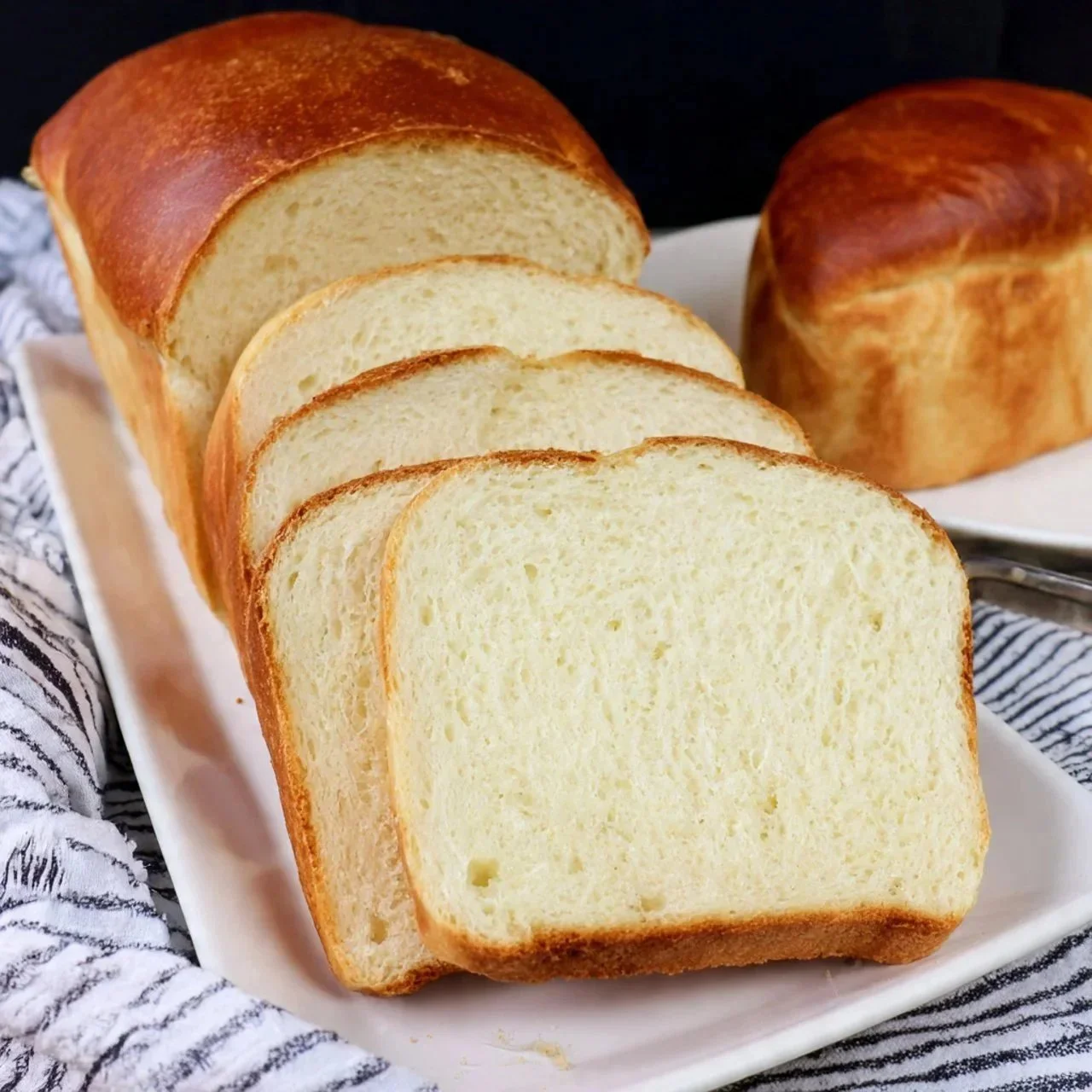
While this is happening, preheat your oven to 350°F (175°C). The anticipation builds here, and you might even start dreaming about how good that fresh-baked bread will taste. Once the second rise is complete, pop the loaf in the oven and bake it for 30 to 35 minutes. It should come out a beautiful, deep golden brown and sound hollow when tapped—this is the tell-tale sign of a successful loaf.
If you’re curious about variations, consider adding herbs or cheese for a twist. I sometimes sprinkle in some rosemary or even some sharp cheddar to create a delightful surprise. You can find ideas on how to make variations of this bread in other recipes, like this one.
The Perfect Taste Test
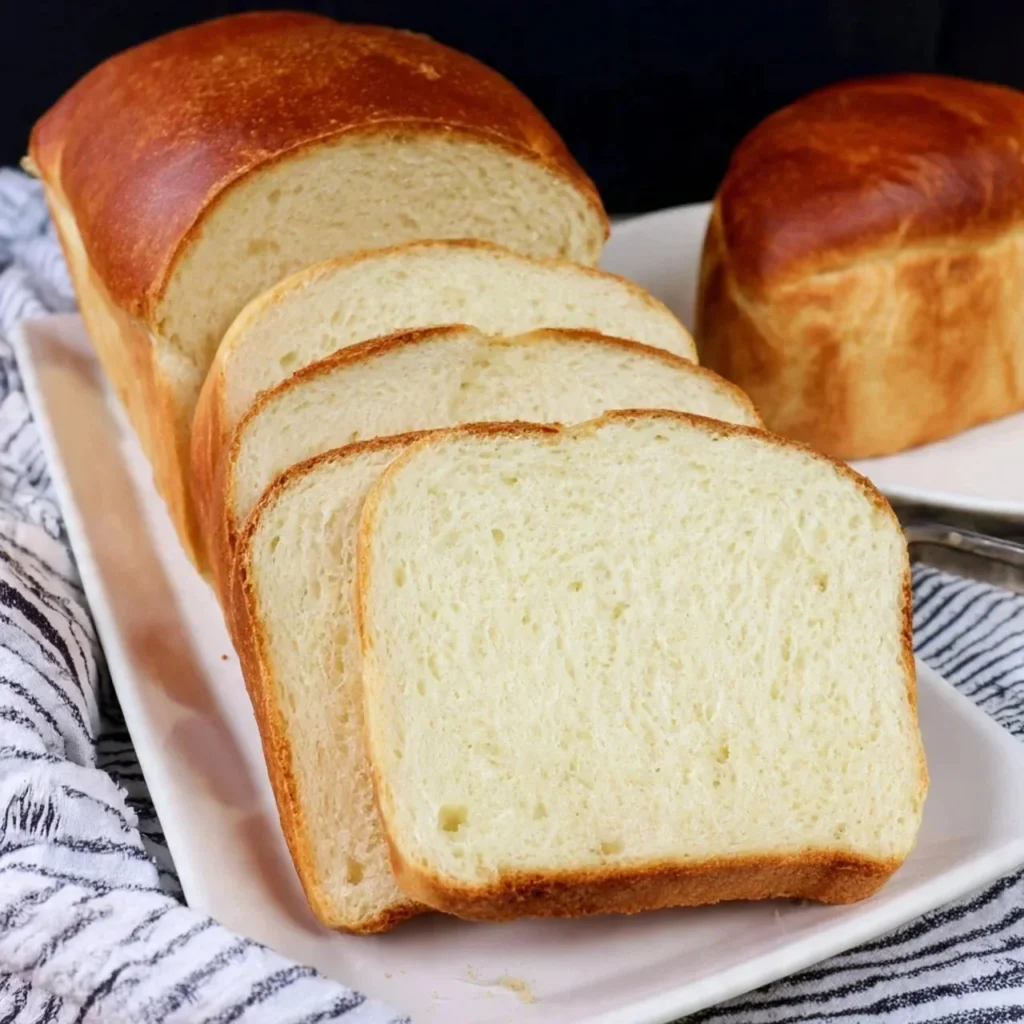
Let the bread cool on a wire rack before slicing, if you can wait that long! The aroma alone will tempt you. When you finally cut into the loaf, the texture is so soft and inviting, it practically begs for a slather of butter.
It’s great on its own, of course, but I love serving it alongside hearty soups or as the base for a grilled cheese sandwich. It can also be stored for later enjoyment; if you have leftovers, storing it in a bread box or wrapped tightly in plastic wrap helps maintain its freshness.
Memories and Moments
Baking this bread holds a special place in my heart. It brings me back to my childhood, where we would gather around the table to share stories and meals, each slice carrying with it a memory. The act of kneading dough and watching it rise reminds me of the simple joys in life and the importance of gathering together.
For anyone looking to delve deeper into the nuances of this delightful bread, consider checking out more detailed recipes and tips like this recipe.
Conclusion
Homemade Amish White Bread is more than just a recipe; it’s a way to connect with tradition, family, and the joy of cooking. Whether you enjoy it fresh out of the oven or use it in creative recipes, this bread is bound to make your kitchen feel like the heart of your home. If you’re interested in additional variations or inspiration, you can check out this Amish White Bread Recipe at Allrecipes to explore even more ideas!
Homemade Amish White Bread
Ingredients
Method
- Dissolve the sugar in warm water.
- Sprinkle the yeast on top and let it sit for about five minutes until frothy.
- Stir in the vegetable oil and salt.
- Gradually add flour, mixing until a dough forms.
- Knead the dough on a floured surface for about ten minutes until smooth and elastic.
- Place the dough in a greased bowl, cover it, and let it rise in a warm spot until it doubles in size (about 1 to 1.5 hours).
- Punch the risen dough down and shape it into a loaf.
- Place it in a greased loaf pan, cover, and let it rise for another 30 to 45 minutes.
- Preheat the oven to 350°F (175°C).
- Once the second rise is complete, bake the loaf for 30 to 35 minutes until golden brown and hollow when tapped.
- Let the bread cool on a wire rack before slicing.
- Serve on its own or with butter, soups, or as a base for grilled cheese.